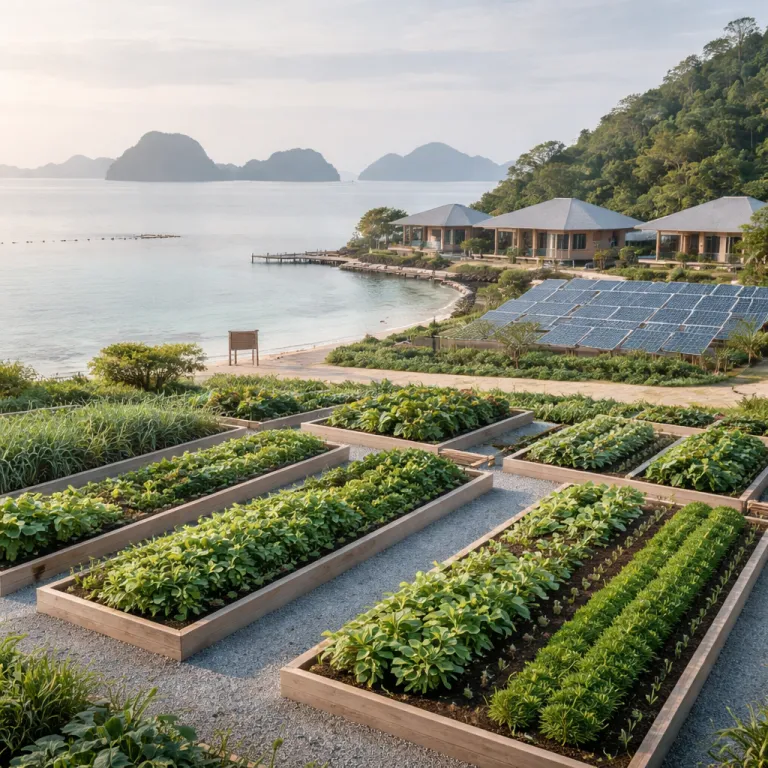
From buzzword to benchmark: what sustainable resort philippines 2026 really means
Luxury travelers now expect almost every resort in the Philippines to call itself sustainable. Yet separating a genuinely responsible property from a glossy brochure claim demands sharper questions and a clear framework. For couples planning a romantic escape, understanding how sustainability, energy policy and tourism development intersect will shape both your experience and your impact.
Across tourism in the Philippines, the most credible eco resort projects treat sustainability as core infrastructure rather than a marketing add on. These eco conscious properties invest in renewable energy, wastewater systems, plastic free operations and long term support for local communities, not just a token tree planting afternoon. When you compare resorts and eco lodges, look for transparent reporting on environmental practices, measurable sustainability targets and clear partnerships with recognized organizations in the Philippine conservation space, such as WWF Philippines or local marine protected area councils.
For a luxury user browsing myphilippinesstay.com, the phrase sustainable tourism should translate into specific, verifiable actions on the ground. That means reef fees that fund marine rangers, organic gardens that supply the restaurant and tourism practices that protect nature rather than overwhelm it. As you shortlist eco friendly resorts spa options, treat sustainability claims like any other premium promise and ask for the same level of detail you would expect about a suite category or a wine list, including dates, metrics and links to any ESG or sustainability reports.
Boracay’s reset: how strict rules reshaped tourism philippines
When Boracay closed to visitors in 2018, it forced a reckoning across tourism Philippines wide. The island’s reopening under strict environmental rules, including a daily tourist cap and mandatory sewer connections, showed how government intervention can reset tourism development and push resorts toward more sustainable practices. For couples returning now, the experience feels more curated, more controlled and ultimately more aligned with sustainable tourism goals.
Today, Boracay’s resorts must comply with rigorous environmental standards on wastewater, solid waste and shoreline setbacks under Department of Environment and Natural Resources and Department of Tourism guidelines. These rules changed daily tourism practices, from how plastic is handled to how many guests can crowd a stretch of sand at once. For any sustainable resort in the Philippines in 2026, Boracay’s model proves that clear regulation, consistent enforcement and cooperation with local government units can protect both growth and nature.
As a user booking a high end resort or eco lodge on the island, you can now ask sharper questions about compliance and monitoring. Does the resort publish data on water treatment, plastic reduction and energy use, and does it explain how reef fees are allocated to conservation? Couples who care about eco tourism should also look at how properties engage local communities, from hiring and training to sourcing food and crafts, because this is where tourism eco ambitions become real livelihoods and not just a line in a brochure.
Palawan and beyond: reef fees, eco lodges and the Pangulasian model
Palawan has become shorthand for the sustainable resort Philippines 2026 conversation, and with reason. Around El Nido, reef fees are now standard, and guests pay a modest charge that directly funds marine conservation and environmental monitoring. In El Nido’s protected areas, for example, fees support ranger patrols, mooring buoys and coral rehabilitation, giving couples one of the clearest indicators that tourism revenue is being reinvested into nature rather than extracted from it.
Properties often described as nido resorts have pioneered an eco resort approach that blends low impact architecture, careful energy management and close collaboration with local communities. Pangulasian Island, fresh from a multi million renovation for the current season as reported by its operator El Nido Resorts, is positioning itself as an eco friendly flagship with upgraded renewable energy systems, refined waste management and expanded organic gardens. When you compare different eco lodges in the area, focus on how each resort explains its sustainability roadmap, from plastic free targets to long term tourism development plans and any third party certifications.
Across Palawan, you will find both intimate eco lodge retreats and larger resorts spa properties experimenting with solar, rainwater harvesting and reef safe tourism practices. Ask how often reef fees are reviewed, who manages the funds and what specific projects they support, such as coral nurseries or ranger patrols documented in local government reports. A truly sustainable resort in the Philippines in 2026 will be able to show you the mangrove it replanted, the village it partners with and the kilowatt hours of renewable energy it now produces each year, not just broad promises about being green.
Solar farms, plastic policies and organic gardens: following the energy and the waste
Energy and waste are where sustainability claims either hold or fall apart in luxury resorts. In Batangas, Landco Pacific Corp worked with ACEN to power a beach resort entirely with renewable energy, turning a coastal playground into a live case study for solar driven tourism development; ACEN’s own project updates describe the resort as running on 100% clean power. The Kind Resort goes further, operating fully on solar power and using its energy policy as a central part of the guest narrative rather than a technical footnote, with staff able to explain how many panels power each villa.
Across the Philippines, more resorts are installing solar panels, building organic gardens and rethinking plastic from minibar to marina. Okada Manila reports eliminating around two million plastic bottles a year and recovering thousands of meals for local communities through its food donation program, while Newport World Resorts states that it sources more than half of its food locally, showing how large scale properties can still align with sustainable tourism goals. These examples matter for any eco conscious resort in the Philippines in 2026 because they prove that eco friendly operations can coexist with high end service and steady growth.
In Tagaytay, Anya Resort Tagaytay has partnered with WWF Philippines to deepen its environmental practices, illustrating how collaboration with expert organizations can guide credible sustainability development and provide external validation. For travelers, the practical test is simple yet demanding: ask how much of the resort’s energy comes from renewable sources, how organic gardens feed the kitchen and how plastic free policies are enforced in both front and back of house. When a property can answer clearly and point you to a recent ESG or sustainability report, you are no longer just hearing marketing language about eco tourism, you are seeing a working system.
How to audit sustainability claims before you book
Couples browsing myphilippinesstay.com for a sustainable resort in the Philippines in 2026 should approach green claims with the same rigor they bring to room categories and rates. Start with the basics: does the resort publish an ESG or sustainability report, and does it detail energy use, water treatment and waste management rather than vague commitments? Look for clear references to renewable energy, plastic reduction, reef fees and support for local communities, not just generic eco friendly language or a single certification logo.
When you contact a resort, ask specific questions about tourism practices and environmental safeguards. What percentage of energy comes from solar or other renewable sources, and how is wastewater treated before it returns to nature? How are plastic free goals enforced across bars, pools and excursions, and which local communities benefit directly from tourism Philippines spending through employment, training or product sourcing? The more concrete the answers and the more recent the data, the more likely the resort is to be walking its talk.
Dining is another powerful lens, especially now that the inaugural Michelin selection for the country includes one Michelin Green Star, awarded to Toyo Eatery in Manila for an operation built around sustainable sourcing and low impact cooking. When a resort restaurant pursues similar standards, whether or not it is in the guide, it signals that sustainability runs through the whole property, from eco conscious menus to organic gardens and fair partnerships with farmers. For deeper context on how serious capital is flowing into the country’s high end hospitality, and why that matters for long term sustainability development, read this analysis of Manila Bay’s luxury corridor on the evolving investment landscape.
Choosing where your pesos go: aligning romance, luxury and impact
Every booking is a vote for the kind of tourism eco model you want to see across the archipelago. A sustainable resort in the Philippines in 2026 should feel both indulgent and quietly efficient, with energy smart rooms, attentive service and a clear respect for nature woven into daily rituals. For couples, that might mean trading a slightly longer transfer for an eco lodge that runs on solar, or choosing a resorts spa property that publishes detailed sustainability metrics and participates in local conservation programs.
When you compare options, prioritize eco resort projects that integrate with their surroundings rather than dominate them. Look for low rise development that preserves sightlines, boardwalks that protect fragile dunes and tourism development plans that cap guest numbers to safeguard reefs and forests. Ask how the resort works with the Department of Tourism and local government to align with broader sustainability policies, rather than operating as an isolated island of privilege with no stake in community planning.
Finally, pay attention to the small signals that reveal whether sustainability is lived or merely claimed. Are refillable glass bottles standard, are reef safe sunscreens encouraged and are excursions designed to be both plastic free and respectful of wildlife? If a property can explain its sustainable practices clearly, from energy use to staff training, and back that up with recent figures or case studies, you can relax into your stay knowing that your romantic escape supports a more Philippines sustainable future rather than undermining it.
FAQ
What are reef fees in Philippine resorts ?
Reef fees in Philippine resorts are charges added to your bill that fund marine conservation efforts in the surrounding area. These fees typically support reef monitoring, ranger patrols and habitat restoration, especially in destinations like Palawan and parts of Visayas where local ordinances earmark collections for protected areas. When a sustainable resort in the Philippines in 2026 explains clearly how reef fees are used, it shows a direct link between tourism revenue and environmental protection.
How do solar farms and renewable energy benefit resorts and guests ?
Solar farms and other renewable energy systems reduce a resort’s dependence on fossil fuels and stabilize long term operating costs. For guests, this often translates into quieter operations, fewer generator outages and the assurance that their stay supports lower carbon tourism practices. Projects like the ACEN powered Batangas resort and fully solar The Kind Resort, both highlighted in company sustainability updates, show how energy innovation can sit comfortably alongside luxury service.
Why are organic gardens important in luxury resorts ?
Organic gardens allow resorts to grow herbs, vegetables and fruits on site, reducing food miles and giving chefs fresher ingredients. They also act as living classrooms for guests who want to understand how sustainable tourism works in practice, from composting to soil health. When a resort integrates organic gardens into its menus and guest experiences, and reports how much of its produce is grown on site, it signals a deeper commitment to eco friendly operations.
How can I tell if a resort’s plastic free claim is credible ?
A credible plastic free or low plastic claim will be backed by specific measures, such as refillable bathroom amenities, glass water bottles, bulk dispensers and clear policies for suppliers. Ask how the resort handles plastic in back of house areas, including kitchens and staff housing, not just guest facing spaces. Properties that publish data on plastic reduction, like Okada Manila’s bottle elimination figures, and partner with recognized environmental organizations are usually more trustworthy.
What questions should I ask before booking a sustainable resort ?
Before booking, ask about the share of renewable energy in total consumption, how wastewater is treated and whether reef fees support named conservation projects. You can also request information on staff training, local hiring, food sourcing and any partnerships with groups such as WWF Philippines or local NGOs. A resort that answers these questions transparently and can point to recent sustainability reports is far more likely to align with genuine sustainable tourism principles than one that relies on vague eco language.