From probinsya pride to filipino chef fine dining hotel icons
Walk into a serious Filipino-led fine dining restaurant inside a luxury hotel in Manila and the first scent is not truffle but toasted garlic over adlai, brightened by calamansi. Young Filipino chefs under 40 are steering five-star hotel kitchens away from anonymous international buffets and toward a confident Filipino cuisine that treats probinsya memories as the new gold standard for elegance. This shift feels especially vivid in a city where dozens of luxury hotels compete for the same well-traveled guests who have already eaten in California, San Francisco, Los Angeles and every New York Times–profiled dining room.
Industry observers and tourism officials note a clear generational shift in professional kitchens across the Philippines, with younger chefs increasingly taking leadership roles in hotel restaurants. According to a 2023 Department of Tourism briefing on culinary tourism, more than a third of executive chef posts in major Metro Manila hotels are now held by Filipinos in their thirties. As a result, the typical dining experience in a top Filipino restaurant inside a five-star property has become a canvas for regional dishes once dismissed as too rustic for fine dining. These chefs read global trends closely, from James Beard Awards chatter to reports on swicy flavors in international food media, yet they return to adlai, coconut vinegar and smoked fish as their anchor.
Probinsya pride is not nostalgia marketing; it is a working philosophy. In a serious Filipino chef–driven hotel restaurant, the menu might list a simple "feast food" of grilled fish, yet the technique behind that Filipino feast borrows from Nordic curing, Japanese precision and Mexican fire control. The result is polished Filipino plates that could sit comfortably among the Times best restaurants San lists, while still tasting unmistakably of Bicol chilies, Batangas beef and Negros sugarcane.
Adlai, calamansi and the new language of luxury on the plate
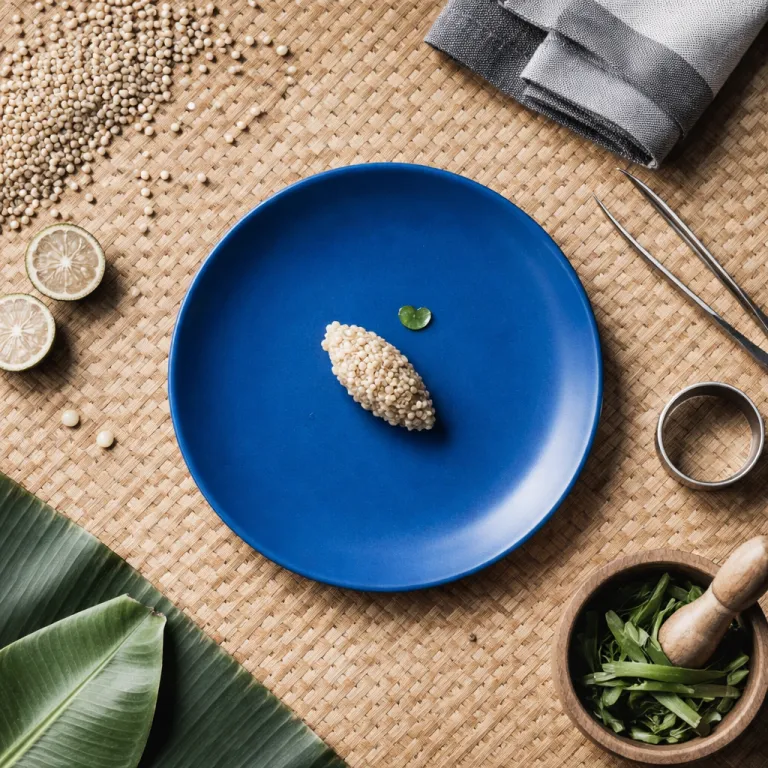
Adlai, a gluten-free grain native to the Philippines, has quietly become the starch of choice in many Filipino chef–driven hotel menus. Where imported risotto once signaled sophistication, adlai now carries slow braises of native pork, turning humble Filipino food into something that feels both lighter and more precise on a white tablecloth. A 2022 Philippine Statistics Authority note on high-value crops cited a modest but steady rise in adlai production, mirroring its growing presence in upscale restaurants. Calamansi follows close behind, its sharp perfume cutting through rich sauces in ways that chefs in San Francisco or Los Angeles would instantly understand.
In Manila’s luxury hotels, adlai appears in both singular and plural forms across tasting menus, from adlai congee at breakfast to crisp adlai cakes at dinner. Chefs treat calamansi almost like a California Meyer lemon, folding it into beurre blanc for grilled reef fish, or using it to finish kinilaw that would not be out of place in the best restaurants along the Pacific coast. These details matter, because they show how Filipino dishes can speak the same refined language as any celebrated restaurant in California or the Kimpton Alton in San Francisco, without losing their accent.
Guests who read menus carefully will notice how often the word "probinsya" now appears alongside technical terms like confit and espuma. A single plate might reference an abaca-wrapped fish parcel, a nod to the abaca plant long used in rural packaging, while the sauce leans on calamansi and coconut milk in a way that feels very Filipino fine rather than French. As one Manila-based hotel chef remarked in a 2023 tourism promotion interview, "we want guests to taste the village and the city on the same plate." This is where the dining experience becomes quietly radical, proving that Filipino restaurants in luxury hotels can set global standards instead of chasing them.
Manila’s hotel kitchens leading the filipino cuisine renaissance
Three Manila properties often cited by local food writers show how far the Filipino chef fine dining hotel idea has evolved. At Eastwood Richmonde Hotel, Executive Chef Victor Barangan uses modern cooking techniques to reimagine kare-kare with adlai instead of rice, while keeping the peanut depth that defines this beloved Filipino food; his approach was highlighted in a 2022 hotel press release on regional menus. Over at Hilton Manila, Executive Chef Ryan Hong leans into swicy flavors, pairing calamansi-glazed prawns with chili-spiked coconut cream in a way that would impress even jaded diners from San Francisco or Los Angeles.
Lobby 385, guided by Executive Chef Kalel Chan, turns the hotel lobby into a stage for regional tasting menus that rotate through probinsya themes. One month might highlight Bicol, with fiery coconut-based Filipino dishes, while another focuses on Mindanao, where grilled meats and sour fruits dominate the cuisine. These restaurants are not chasing a generic label of best restaurants; they are building a new canon of Filipino restaurants that could sit beside any York Times reviewed Filipino restaurant in California or beyond.
Behind the pass, the methods are quietly high-tech. State-of-the-art kitchen equipment allows precise temperature control for adlai, preventing the mushiness that once made some people dismiss it as a poor cousin to rice, and this precision elevates every dining experience. Local farmers and culinary schools partner with these hotels, ensuring that the supply of indigenous ingredients stays strong, while the chefs gain a pipeline of young talent who already see Filipino cuisine as worthy of the global stage.
Probinsya flavors, global influences and the tension on the tasting menu
Spend a night at a serious Filipino chef fine dining hotel and you will taste a quiet tug of war between roots and reinvention. On one side sits the probinsya flavors movement, which insists that a proper Filipino feast should still feel like feast food shared by family, even when plated in twelve precise courses. On the other side are global influences from Korean fermentation, Mexican smoke and California farmers market minimalism, all of which tempt chefs to push Filipino dishes into new territory.
Helm in Manila, led by Josh Boutwood and widely praised in regional dining guides, is often cited as the clearest expression of this balance, even though it is not inside a hotel. Boutwood’s Anglo-Filipino-Spanish heritage shows how a chef can move between cultures while keeping the center of gravity firmly in Filipino cuisine, and hotel chefs across the city study his work closely. They understand that diners who have eaten at the Times best restaurants in San Francisco or at a James Beard–honored Filipino restaurant in Los Angeles now expect that same intellectual rigor in Manila.
Some menus nod directly to international benchmarks, referencing James Beard Foundation standards or York Times profiles of Filipino restaurants that have broken through abroad. Yet the most confident plates stay rooted in the city and the islands, using adlai, calamansi and abaca as their vocabulary rather than imported luxury clichés. For solo travelers, this tension makes each dining experience feel alive, as if the chef is inviting you into an ongoing conversation about what Filipino fine dining should become next.
How to book a hotel for serious filipino food and chef stories
When you search for a Filipino chef fine dining hotel on myphilippinesstay.com, read beyond the star rating and pool photos. Look for clear mentions of adlai on the menu, references to calamansi-based sauces and signs that the restaurant works with local farmers rather than relying only on imported food. Properties like Hilton Manila, Eastwood Richmonde Hotel and Lobby 385 already highlight these details, signaling that their restaurants San offerings are central to the stay, not an afterthought.
Ask directly about the chef and their probinsya roots when you book, because the strongest stories often come from cooks who grew up far from the city. Many hotels now offer cooking classes where guests learn to prepare Filipino dishes such as kinilaw or adobo using adlai instead of rice, turning a simple lesson into a deeper dining experience. Some properties even organize day trips to nearby farms, where you can see calamansi groves and abaca plantations before returning to the restaurant for a carefully staged Filipino feast.
For travelers who follow international food media, it helps to cross-reference hotel restaurants with lists of best restaurants and Times best write-ups about Filipino cuisine abroad. While not every property will have a James Beard or James Beard Foundation connection, the most ambitious kitchens speak the same language of precision, storytelling and respect for ingredients. Choose the hotel where the chef sounds like a thoughtful guide rather than a marketing slogan, and your stay in the city will taste as rich as any meal in San Francisco, California or beyond.
FAQ
What is adlai and why are luxury hotels using it ?
Adlai is a gluten-free grain native to the Philippines, with a pleasantly nutty flavor and a firm, pearl-like texture. Luxury hotels use adlai as an alternative to rice in fine dining because it absorbs sauces beautifully while staying distinct on the plate. This makes it ideal for tasting menus where chefs want Filipino food to feel both familiar and refined.
How is calamansi used in high end filipino cuisine ?
Calamansi is a small citrus fruit used as a souring agent in many traditional Filipino dishes, from marinades to dipping sauces. In luxury hotel kitchens, chefs use calamansi to brighten rich reductions, balance fatty meats and add aromatic acidity to seafood. Its distinctive perfume helps define a modern Filipino dining experience without relying on imported lemons or limes.
Which luxury hotels in Manila focus on filipino cuisine ?
Several Manila properties now treat Filipino cuisine as a central part of their identity rather than a token menu section. Hilton Manila, Eastwood Richmonde Hotel and Lobby 385 all feature chefs who highlight regional Filipino dishes, indigenous grains like adlai and local citrus such as calamansi. These hotels position their restaurants as destinations for both international guests and city residents.
Are hotel cooking classes in the Philippines worth booking ?
Hotel cooking classes in the Philippines can be an excellent way to understand Filipino food beyond what appears on a restaurant menu. Many luxury properties now offer small group sessions where guests learn to cook dishes using adlai, calamansi and other local ingredients sourced from nearby farms. For solo travelers, these classes provide both practical skills and direct contact with the chef, adding depth to the overall stay.
How are young chefs changing the image of filipino restaurants ?
Young chefs in their thirties are reshaping Filipino restaurants by elevating probinsya flavors into fine dining contexts and embracing indigenous ingredients once seen as too humble for luxury settings. Their work in hotel kitchens shows that Filipino cuisine can stand beside globally acclaimed restaurants in San Francisco, Los Angeles or any major city. This new generation treats every plate as both a story about place and a statement of culinary ambition.
Sources
Philippine Department of Tourism (Culinary Tourism Briefing, 2023); Philippine Statistics Authority (High-Value Crops Updates, 2022); Michelin Guide trend summaries on Filipino cuisine; interviews with Manila-based hotel chefs conducted for tourism promotion materials in 2022–2023; hotel press releases from Eastwood Richmonde Hotel, Hilton Manila and Lobby 385 on regional Filipino menus.