Plan where to stay in Luzon, Philippines with this guide to city hotels, beach resorts, spa retreats, prices, and travel times from Manila, Baler, Tagaytay, Clark, and more.
Hotels in Luzon, Philippines: How to Choose the Right Area, Style, and Budget
Why Luzon is a compelling hotel destination
Mountain silhouettes, volcanic lakes, and long Pacific beaches make Luzon feel less like one island and more like a small country. For travelers choosing a hotel in Luzon, Philippines, the first decision is not the room type but the landscape you want to wake up to. City skyline, misty ridge, or quiet cove – each setting shapes the stay as much as any luxury amenity, spa facility, or resort-style pool complex.
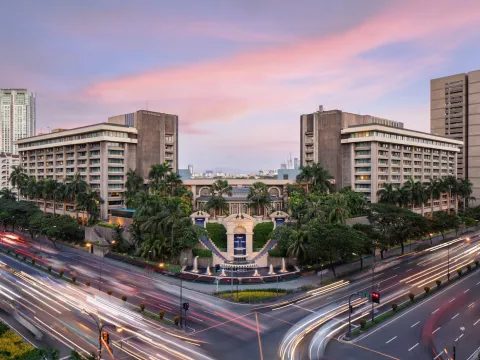
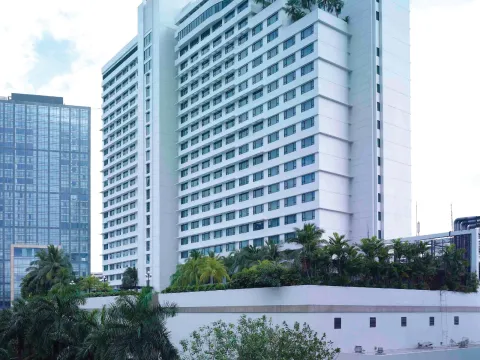
Urban travelers gravitate toward the major city hubs on Luzon, where high-rise hotels and integrated resorts cluster near business districts and transport links. In Metro Manila, for example, large properties such as Solaire Resort in Entertainment City or Shangri-La The Fort in Bonifacio Global City combine polished lobbies, full-service spa floors, and rooftop pool decks that turn the skyline into part of the décor. As of early 2024, typical nightly prices for entry-level rooms in these luxury hotels often start around US$180–250 and rise sharply for club-level suites with lounge access. This style of city hotel suits travelers who want efficient transfers, strong facilities, and easy access to dining, nightlife, and shopping centers.
Coastal Luzon tells a different story. Along the eastern seaboard and in surf towns such as Baler, hotels and resorts stretch out horizontally rather than vertically, trading glass towers for gardens, beach paths, and open-air lounges. Family resorts in Baler like Costa Pacifica typically place their main pool, bar, and lounge areas just a short walk from the sand. These properties appeal to guests who value space, sea breeze, and a slower rhythm, even if it means being farther from the main city centers and paying more attention to transfer times and fuel costs than to club lounge access or big-city entertainment.
Key regions in Luzon: city, coast, and highlands
Metro Manila anchors the island’s hotel scene, but it is only one of several distinct destinations. To the north, the wider Luzon region spreads into Pangasinan, Bataan, and Pampanga, where you find a mix of provincial capitals, heritage towns, and emerging leisure zones. Each area offers a different balance of resort-style facilities and local character. Choosing where to stay is as important as choosing the hotel itself, especially when hotel prices and travel times can vary significantly between regions and even between neighboring cities.
In central Luzon, the Clark Freeport Zone near Angeles City has become a focal point for integrated hotels and resorts. Large properties here, such as Clark Marriott Hotel or Hann Casino Resort, often combine casino floors, golf, spa wings, and family-friendly pool complexes in one controlled site. This suits travelers who want a self-contained stay with minimal transfers – Clark is roughly 1.5 to 2 hours by car from central Manila in light traffic as of early 2024, based on typical travel advisories – especially if they are arriving via the nearby airport or joining events and conferences with on-site function rooms. Room rates in this area span from midrange business hotels around US$80–120 per night to top-end luxury suites above US$250, giving a wide range of options for different budgets.
Head south and the mood shifts. Around Tagaytay in Cavite, hotels line the ridge overlooking Taal Lake, offering cooler air and dramatic views rather than beach access. Properties such as Taal Vista Hotel or Escala Tagaytay orient their rooms and infinity pools toward the lake and volcano, turning the view into the main attraction. Farther down in Laguna, near the slopes of Mount Makiling, some properties lean into wellness, hot-spring bathing, and nature-focused stays. These highland destinations work well for couples and small groups seeking quiet weekends rather than long resort holidays, with typical transfer times of 1.5 to 3 hours from Metro Manila depending on the exact town and traffic conditions.
Beach and surf stays: from Baler to quiet coves
On Luzon’s eastern flank, the road into Baler in Aurora province feels like a slow reveal. Rice fields give way to coconut groves, then finally to Sabang Beach, a long curve of dark sand and steady surf. Hotels here tend to sit close to the shore, with many properties arranging their pool, bar, and lounge areas to face the waves. The atmosphere is relaxed, surf-first, but increasingly polished as more midrange and luxury hotels enter the market and upgrade their facilities.
For travelers comparing beach options, Baler offers a practical middle ground. It is more low-key than the country’s headline island destinations, yet it has enough hotels and resorts to provide a real range of comfort levels. You can choose between compact, design-forward rooms steps from the sand or larger resort compounds with gardens, children’s play areas, and multi-level pool zones. As a rough guide, simple surf lodges and friendly guesthouses might start around US$30–50 per night, while midrange hotels and family resorts in Baler often sit in the US$70–130 band, with top beachfront suites and villas costing more. The trade-off is the drive; reaching Baler from Manila usually means five to six hours on the road in normal conditions, so factor fuel, tolls, and rest stops into your total trip cost.
On the western side of Luzon, coastal towns in Pangasinan and Zambales face the South China Sea with calmer waters and sunset views. Here, many hotels sit a short walk from the beach rather than directly on it, often separated by a coastal road or small village. In places like San Juan in La Union or San Antonio in Zambales, you will find a mix of simple surf inns, midrange hotels, and small luxury resorts with compact spa facilities and beachfront pools. These areas suit travelers who want a quieter, more local feel, where a morning stroll might pass a sari-sari store and a basketball court before reaching the sand, and where you can explore several beaches and coves in one trip without changing islands or booking domestic flights.
Luxury, wellness, and spa-focused stays
Wellness-oriented travelers find some of Luzon’s most interesting hotels away from the obvious tourist strips. Around Mount Makiling in Laguna, for instance, several properties draw on the area’s geothermal activity, offering onsen-style bathing and spa rituals that feel distinctly different from the usual beach resort formula. A typical wellness hotel in this area might feature gender-separated hot pools, quiet gardens, and set meal plans focused on lighter dishes. The focus here is on soaking, treatments, and unhurried meals rather than nightlife or shopping, making these sites ideal for guests who want to disconnect for a night or two and treat the hotel as a compact retreat.
In the highlands near Tagaytay, luxury hotels often lean on their vantage point. Rooms and suites are oriented toward the lake and volcano, with large windows, balconies, and terraces designed for slow mornings and long sunsets. Spa facilities in these properties typically include couples’ treatment rooms, relaxation lounges, and sometimes small hydrotherapy pools, turning the cool climate into part of the experience. Wellness hotels in Tagaytay and nearby highland towns often package spa access with afternoon tea or set dinners, which can be good value compared with booking every service separately, especially for guests who plan to join several treatments during a short stay.
Within city centers and integrated resorts, spa offerings tend to be more extensive but also more international in style. Expect full-service menus, separate wet areas, and fitness clubs with modern equipment. These hotels’ luxury experiences suit business travelers who want to compress wellness into a tight schedule – a late-evening massage after meetings, or a quick steam and swim before an early flight – rather than dedicate entire days to retreat-style programs. In large city hotels in Luzon, spa and health club access may be included for club-floor guests, while standard rooms sometimes pay a small supplement to join premium facilities such as executive lounges, private pool decks, or members-only fitness areas.
What to check before booking a hotel in Luzon
Location on Luzon is not a minor detail; it defines your trip. Before booking any hotel in Luzon, Philippines, check the exact address and surrounding area on a map, not just the city name. A property listed under a well-known city can still sit several kilometres away from the main commercial district or beach, especially in provinces where barangays stretch along long coastal or highway corridors. As a rule of thumb, airport transfers in Metro Manila can range from 20 minutes to well over an hour depending on traffic and the specific district, so confirm current estimates with your chosen hotel at the time you book.
Facilities deserve the same scrutiny. If a pool is important, confirm whether it is a lap pool, a shallow family pool, or a multi-pool complex with separate quiet zones. For spa-focused stays, look beyond the word “spa” and verify whether there are dedicated treatment rooms, wet areas, and a proper relaxation space, or simply a single massage room. Travelers planning to join a club or use fitness facilities should check opening hours and whether access is included for all room types, as some hotels in Luzon treat gyms, lounges, and kids’ clubs as add-on services with separate prices that can affect the overall value of the stay.
With more than nine thousand hotels spread across Luzon, the range of styles is wide. Some properties are compact city hotels with efficient rooms and limited public areas; others are full-scale hotels and resorts with landscaped grounds and extensive leisure options. Before you commit, align the property’s layout and facilities with your own priorities – whether that is quick access to meetings in the city, direct beach frontage, or a quiet hillside retreat with strong wellness credentials. A simple way to compare is to list your top three non-negotiables – for example, pool, spa, and breakfast quality – and check which hotels in your chosen destination clearly meet all three and fit your target price band.
Who Luzon hotels suit best – and how to choose your area
Business travelers and short-stay guests are usually best served by city-based hotels in Metro Manila or regional capitals. These properties cluster near main roads such as EDSA or Roxas Boulevard, or around transport hubs, making transfers more predictable. They tend to offer efficient check-in, meeting spaces, and a full range of in-house dining, which reduces the need to move around in heavy traffic. In many of these city hotels, entry-level rooms are compact but well equipped, while club-level floors add lounge access, evening cocktails, and quieter workspaces for guests who value a semi-private environment.
Leisure travelers with more time should think in terms of clusters rather than individual properties. A week split between a city hotel, a highland retreat near Tagaytay or Laguna, and a beach resort in Baler or on the western coast allows you to explore very different sides of Luzon without changing islands. This kind of itinerary works particularly well for couples and families who want both cultural experiences and downtime by the pool or beach. One common pattern is to start with two nights in a Metro Manila hotel, move on to two or three nights in a wellness-focused highland resort, then finish with three nights at a friendly beach hotel before flying home.
For those seeking a classic resort atmosphere with everything on one site, integrated hotels resorts in areas like Clark Freeport Zone or certain coastal enclaves are the natural choice. You get large-scale facilities, multiple restaurants, and often a more controlled, family-friendly environment. Travelers who prefer a more local, low-rise feel may instead opt for smaller properties in provincial towns, where staff often know repeat guests by name and the rhythm of the day follows the surrounding community rather than a resort entertainment schedule. In both cases, comparing hotel prices across a short list of options in the same area – rather than across the whole of Luzon – usually gives the clearest sense of value for the facilities and service level you want.
FAQ
Is Luzon a good choice for a first trip to the Philippines?
Luzon is an excellent starting point for a first trip because it combines major city hubs, highland retreats, and accessible beach destinations on one island. You can experience urban culture, volcanic landscapes, and surf towns like Baler without needing domestic flights between islands. The hotel range is broad, from streamlined city properties to full-service resorts, which makes it easier to match your preferred style of stay and budget. For many first-time visitors, this mix of city, spa, and beach hotels in Luzon provides enough variety for a week to ten days without feeling rushed.
What types of luxury hotels can I expect in Luzon?
Luxury hotels in Luzon fall into three main categories: high-rise city properties, integrated resorts, and scenic retreats in the highlands or near hot springs. City hotels focus on club floors, executive lounges, and comprehensive business facilities, while integrated resorts add large pool complexes, gaming areas, and multiple dining venues. Highland and spa-focused properties emphasize views, wellness treatments, and a quieter, more residential atmosphere. Across these segments, you will find both international luxury brands and independent hotels; prices vary widely, but top-end suites in Manila or Tagaytay often command similar nightly rates to well-known island resorts elsewhere in the Philippines.
How should I choose between a city hotel and a beach resort in Luzon?
Choose a city hotel if you prioritize easy access to meetings, shopping, and dining, or if you have limited time and want to minimize transfers. Opt for a beach resort if your main goal is relaxation, water activities, and open space, accepting that you will be farther from major commercial centers. Many travelers combine both, starting with a city stay before moving on to a coastal or highland property for a slower-paced finale. When comparing options, look at more than just nightly prices: factor in transfer time, resort fees if any, and whether breakfast, spa access, or kids’ club use is included in the rate.
Are there spa and wellness-focused hotels in Luzon?
Several areas in Luzon cater to wellness travelers, particularly around Mount Makiling in Laguna and the cooler ridges near Tagaytay. Hotels in these regions often feature dedicated spa facilities, hot-spring or onsen-style bathing, and menus designed around unhurried, restorative stays. In city centers and integrated resorts, you will also find full-service spas, though the experience is usually more compressed and geared toward busy schedules. If wellness is a priority, look for hotels that clearly describe their spa facilities, pool types, and wellness programs rather than relying on a single “spa” label in the description.
What should I verify before confirming a hotel booking in Luzon?
Before confirming a booking, verify the exact location, typical travel times to your key activities, and the nature of the main facilities such as the pool, spa, and fitness areas. Check whether the hotel’s setting matches your expectations – urban, beachside, or highland – and whether the surrounding neighborhood suits your comfort level. It is also wise to confirm current operational details, as facilities and services can evolve over time. A quick message to the hotel about parking, pet policies, or family-friendly features such as kids’ pools and playrooms can prevent surprises and help you choose the best hotel in Luzon for your specific trip.