Is staying in Manila city worth it? Discover the best areas and hotels near NAIA, typical drive times, and what to expect from Manila’s bayfront, Pasay, and Quezon City stays at the start or end of your Philippines trip.
Is staying in Manila city a good idea for your trip?
Landing at Ninoy Aquino International Airport (NAIA) after a long-haul flight, Manila can feel intense. Traffic, neon, humidity, the sudden shift from air-conditioned terminal to tropical night. Yet for many trips across the Philippines, a stay in the city is not just practical; it can be a quietly rewarding part of the journey, especially if you choose the right Manila hotel for your route.
For island hoppers heading to Palawan or Cebu, one or two nights in a well-run star hotel in Manila city offers a soft landing. You check in, drop your bags, and let the hotel team take over the logistics while you reset your body clock. A good hotel Manila choice turns that layover into a real travel experience, with a rooftop pool, a calm room, and a first taste of Filipino hospitality before you move on to the islands.
For Manila business travelers, the city is the destination itself. Meetings in Makati, a site visit in Pasay, a dinner in Bonifacio Global City; in that case, the right hotel in Manila becomes your base of operations. You are not here to “taste summer” on a beach, but you still want a refined stay, efficient service, and a location that cuts wasted time in traffic to the minimum, whether you are near NAIA or in the central business districts.
Understanding Manila’s key hotel areas
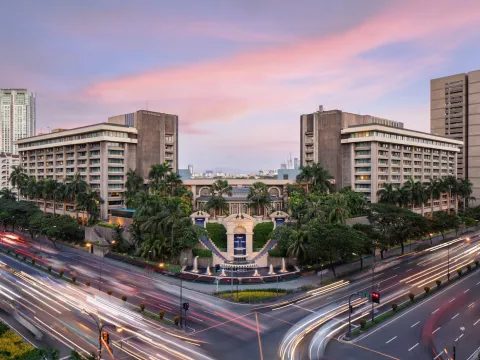
On Roxas Boulevard, facing Manila Bay, the atmosphere is grand and historic. This is where you find the classic Manila hotel style properties, such as The Manila Hotel (One Rizal Park, Ermita) or Sofitel Philippine Plaza Manila (CCP Complex, Roxas Boulevard, Pasay), with sweeping lobbies, high ceilings, and views of the sunset over the water. From here, Intramuros Manila – the old walled city – is often just a few minutes by car, which makes it a strong choice if you want to explore heritage sites between flights.
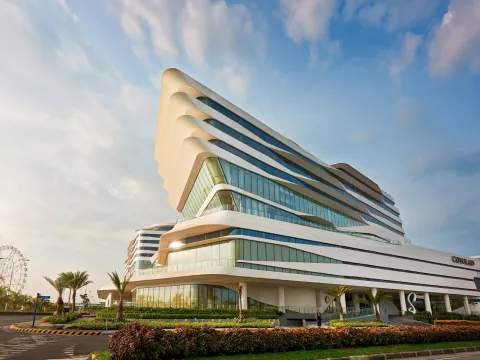
In Pasay, near the international airport, the tone is different. Around the main terminals and the NAIA complex, hotels cluster in mixed-use developments with malls, casinos, and convention centers. This is where you stay when you want to be 10 to 15 minutes from your gate off-peak, not 45 minutes in rush hour. It is also where you often find a rooftop pool, free parking, and quick access to large entertainment complexes such as Newport World Resorts, making it a favorite zone for hotels near NAIA Terminal 3.
Quezon City, to the northeast, feels more local and residential. Star hotel options here tend to be modern, with clean lines and practical layouts, serving both Manila business guests and families visiting relatives. If you have meetings in this part of city Manila, it makes little sense to book a room near the bay; you will spend your time in traffic instead of by the pool, since peak-hour drives from Quezon City to NAIA can easily reach 60 to 90 minutes.
How to choose the right area for your stay
Distance from Ninoy Aquino International Airport should be your first filter. If you land late at night or depart at dawn, staying in the airport belt around Pasay or the Newport area near the international airport terminals can save you an hour each way. Some hotels in this zone sit within a short drive of NAIA Terminal 3, with typical off-peak travel times of around 10 to 20 minutes, which is convenient if you want dining and entertainment without crossing the city.
For travelers focused on culture, history, and a slower rhythm, the bayfront and Intramuros corridor is more compelling. You wake up with a view of Manila Bay, then reach the stone walls of Intramuros Manila in around 10 to 15 minutes by car off-peak, depending on traffic. Walking along General Luna Street or by San Agustin Church after breakfast feels very different from stepping out into a mall complex near the airport, and it suits guests who prefer classic Manila hotels over pure transit stays.
If your Manila business agenda is heavy, match your hotel to your meeting map. A room in Quezon City makes sense if your schedule is centered around Araneta City or the northern universities. A central city Manila address works better if you are splitting time between Makati, Ortigas, and the bay area. The best hotel for you is the one that reduces transfers and gives you back an extra hour by the pool or in your room, rather than sitting in a car on EDSA during peak periods.
What to expect from luxury and premium hotels in Manila
Rooms in the upper tier of hotels in Manila tend to be generous in size by Asian capital standards. Expect a well-insulated room, blackout curtains, and a bed that can genuinely reset you after a long-haul flight. Many properties offer a choice between city views – neon, highways, and the dense urban grid – and quieter inward-facing rooms that favor sleep over spectacle, with typical entry-level room sizes often starting around 28 to 35 square meters in major international brands.
Public spaces often carry the drama. Grand lobbies with marble floors, high-backed chairs, and chandeliers are common in the more historic Manila hotel style addresses. Newer properties, such as Shangri-La at the Fort in Bonifacio Global City or premium hotels near NAIA Terminal 3, lean toward clean, European-inspired lines, with muted palettes and curated art. Either way, the experience is anchored by Filipino service culture: warm, attentive, and usually quick to remember your preferences after the first day.
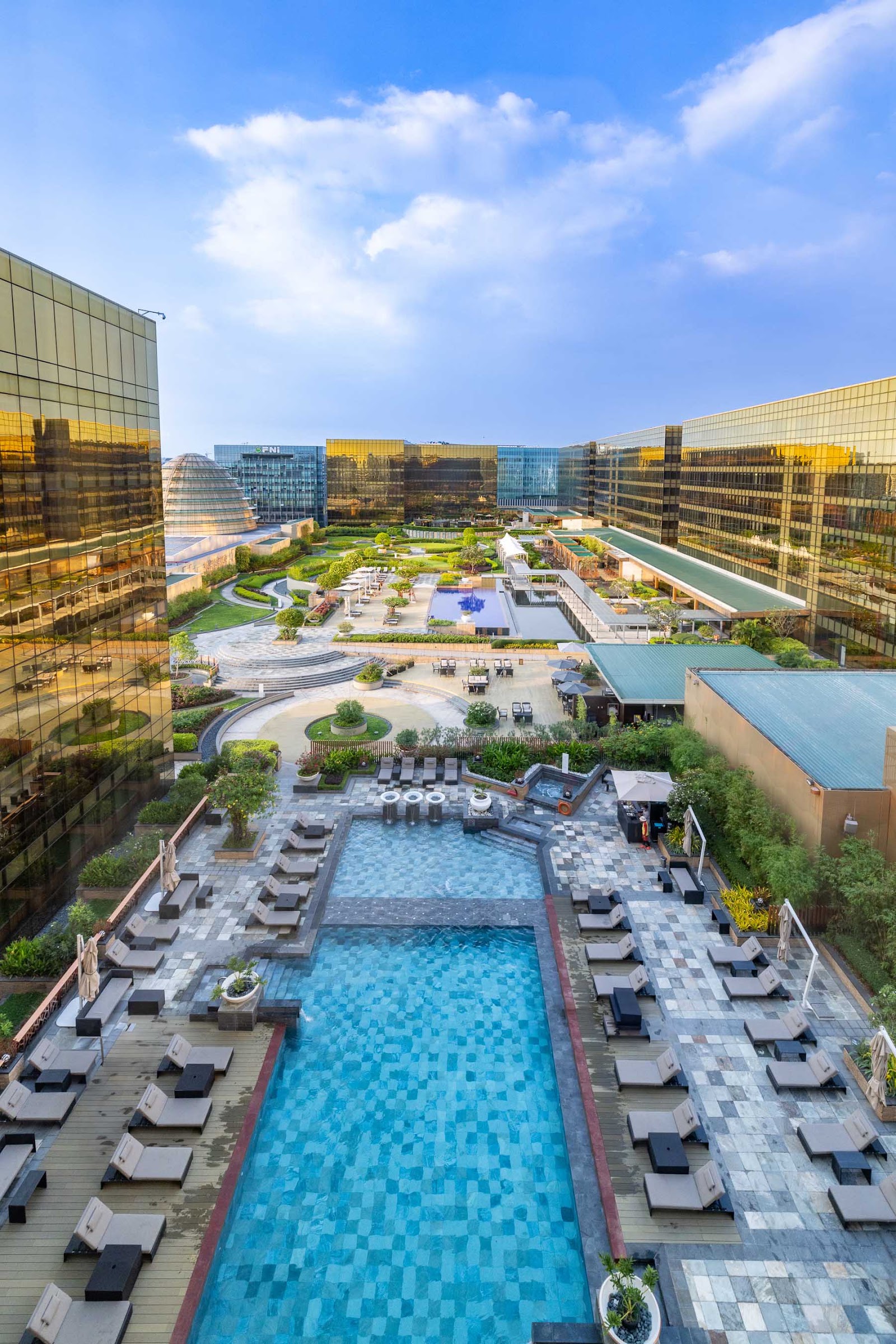
Facilities matter in this climate. A rooftop pool is not just a decorative feature but a genuine refuge at the end of the day, especially when the air cools and the city lights come on. Many premium hotels in the Philippines capital also include small but well-equipped fitness rooms, quiet lounges for rooms guests on executive floors, and thoughtful extras such as late check-out options or discreet special offers for longer stays, which can be especially useful on late-night departures from NAIA.
Practical criteria to check before you book
Location descriptions can be vague, so verify exact distances. When a hotel claims to be “near the airport”, check the actual drive time to your specific terminal at Ninoy Aquino International Airport, and at what time of day that estimate applies. A property that is 10 minutes away at midnight can easily be 30 to 40 minutes away at 17.00 on a weekday, especially around NAIA Terminal 1 and Terminal 2, where access roads can become heavily congested.
Look closely at room categories. In Manila city, the difference between an entry-level room and the next category up can mean a bay view, a larger work desk for Manila business tasks, or access to a quieter lounge. If you value a calm breakfast or evening drink away from the crowds, that upgrade can transform your stay more than a slightly larger bed, and it can be more meaningful than a minor difference in nightly rate.
Parking and access are often overlooked. If you plan to rent a car or have friends pick you up, free parking or at least straightforward drop-off zones will matter more than you think. For those who like to explore on foot, check whether key sights or malls are genuinely reachable in a few minutes on foot, or whether you will still need a car or taxi for almost every movement in the city, particularly if you are staying in business districts or near expressways.
Who Manila city hotels suit best – and who should limit their time here
Travelers who appreciate contrast will get the most from a hotel Manila stay. One day you are watching the sun sink into Manila Bay from a rooftop pool, the next you are flying out to a quiet island. That tension between dense city and open sea can make the overall travel experience in the Philippines richer, not just more complicated, and it is one reason many visitors now plan at least one intentional night in the capital.
Short-stay guests with tight connections benefit from airport-area hotels, especially around Newport and the wider Newport Resorts zone. You land, clear immigration, and can often be in your room within 20 to 30 minutes, depending on traffic. For them, the best hotel is the one that minimizes friction: quick check-in, reliable transfers, and a calm room where you can repack before the next leg, rather than a long cross-city drive after a late arrival.
Those dreaming only of beaches may want to keep their time in city Manila focused and efficient. One night on arrival, one night before departure, and the rest of the trip spent elsewhere in the Philippines can be a smart balance. In that case, you book for convenience and rest rather than for a long immersion in the capital’s neighborhoods, prioritizing hotels near NAIA or along direct routes to your domestic terminal.
Designing your ideal Manila hotel experience
Start with your priorities. If you want to “taste summer” in the city – sunset drinks, a swim with skyline views, perhaps a stroll along Roxas Boulevard – then a property with a rooftop pool and easy access to the bay will feel right. If your focus is shopping and dining, a hotel connected to or within a few minutes’ walk of a major mall will save you time and taxi queues, and it can be easier to manage in heavy rain or midday heat.
Think about rhythm, not just amenities. A grand, heritage-style star hotel invites slower mornings, long breakfasts, and perhaps an afternoon pause in a shaded courtyard. A sleek city tower near the airport or business districts is better suited to guests who are in and out, using the room as a well-equipped base between meetings or flights, and who value fast elevators, efficient room service, and reliable airport transfers.
Finally, consider the small but telling details. Does the hotel offer early check-in or late check-out when available, which can be invaluable after overnight flights into Ninoy Aquino International Airport? Are there quiet corners where you can work or read, away from the main lobby? When these elements align with your needs, the hotel becomes more than a place to sleep; it becomes the calm, reliable center of your Manila journey, whether you are here for business, a stopover, or the start of a longer island itinerary.
FAQ
Is Manila city a good place to stay at the start or end of a Philippines trip?
Yes, Manila city works very well as a first or last stop because most international flights pass through Ninoy Aquino International Airport. Staying one or two nights in a well-located hotel lets you rest, adjust to the climate, and handle any last shopping or paperwork before heading to the islands. It also gives you time to see highlights such as Intramuros Manila or the bayfront without rushing, especially if you choose a hotel in a central neighborhood.
Which area of Manila is best if I want to be close to the airport?
The districts around the main terminals and the Newport area near the international airport are the most practical if you want to minimize transfer time. From many hotels there, you can reach the terminals in about 10 to 20 minutes by car off-peak, depending on traffic and time of day. This is ideal for short stays, early departures, or overnight connections, and it is why so many travelers search specifically for hotels near NAIA when planning their route.
How should I choose between staying near Manila Bay and staying in Quezon City?
Staying near Manila Bay suits travelers who value heritage sites, sunsets, and quick access to Intramuros Manila. Quezon City is better if your Manila business or family visits are concentrated in the northern part of the metropolis, around major universities and commercial centers. In short, choose the bay for atmosphere and history, and Quezon City for practicality if your agenda is based there, especially when you want to avoid long daily commutes.
What should I check before booking a hotel in Manila city?
Before you book, verify the real travel time to your terminal at Ninoy Aquino International Airport, not just the distance. Check room categories carefully to understand differences in view, size, and lounge access. It is also wise to confirm whether key places you plan to visit are reachable in a few minutes on foot or will always require a car or taxi, especially in heavy traffic, and to note any fees for parking or airport shuttles.
Are Manila city hotels suitable for families as well as business travelers?
Many Manila city hotels are designed to serve both families and business guests. Larger rooms or connecting layouts, pools, and proximity to malls work well for families, while central locations and quiet work-friendly spaces appeal to corporate travelers. When you compare options, look at room configurations and facilities rather than labels, and match them to how you actually plan to use the space, whether that means playtime by the pool or late-night emails before an early flight.