Considering a hotel in Pasay, Manila? Learn about the best areas (bayfront, airport, Mall of Asia), typical travel times to NAIA, hotel types from budget to luxury, and which travelers Pasay suits best.
Is Pasay in Manila a good area to book your hotel?
Traffic on EDSA fades the moment you step into a well-run lobby in Pasay City. Marble floors, cool air, and the faint scent of pandan or sampaguita tell you quickly whether this part of Metro Manila will work for your stay. For many travelers, the answer is yes; Pasay offers one of the most practical combinations of airport access, city energy, and bayfront atmosphere in the capital.
The location is its biggest strength. From Pasay you sit between Manila Bay on one side and Ninoy Aquino International Airport on the other, with terminals usually 15–25 minutes away by car when traffic is reasonable and 30–45 minutes in rush hour. That makes a hotel in Pasay, Philippines especially appealing for short stays, late arrivals, or early departures, without giving up the urban buzz of the city. You are not in the old colonial core of Intramuros, but you can reach it in about 7–10 km, depending on your exact address and route.
What you trade for this convenience is a certain amount of urban grit. Around Taft Avenue and along Roxas Boulevard, Pasay can feel chaotic, with jeepneys, elevated walkways, and dense commercial strips. If you want a quiet, leafy residential feel, this is not it. If you want a polished base with strong transport links, large rooms, and serious amenities, hotels in Pasay are often the most rational choice in Metro Manila. As one frequent visitor put it after an overnight near the bay, “It’s not the prettiest neighborhood, but I was at my NAIA 3 gate in under 20 minutes at 6 a.m., and that alone made it worth it.”
Key areas in Pasay: bayfront, airport, and entertainment clusters
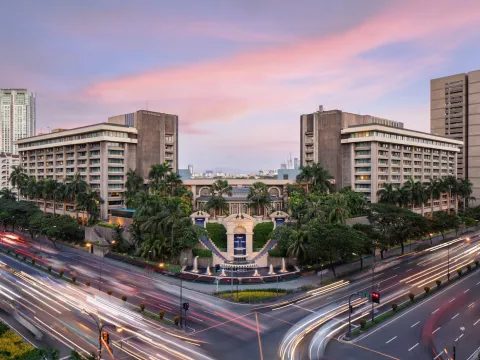
Along Roxas Boulevard, the bayfront strip delivers the most cinematic sense of Manila. Here, city hotels such as Sofitel Philippine Plaza Manila and Midas Hotel & Casino once framed the sunset over Manila Bay, with palm-lined promenades and jogging paths just across the service road. You are close to the Cultural Center of the Philippines complex and the Philippine International Convention Center, so this area suits travelers mixing business, events, and a bit of evening air by the water. Expect larger properties with a resort-like pool and landscaped gardens rather than intimate city blocks, with typical nightly rates from around ₱6,000–₱12,000 for midrange to upscale rooms.
Move inland toward the airport corridor and the mood shifts. Around the roads leading to Ninoy Aquino International Airport, hotels in Pasay tend to be more vertical, more contemporary, and more focused on transit. Options like Savoy Hotel Manila and Belmont Hotel Manila near NAIA Terminal 3, or more budget-friendly choices such as Kabayan Hotel along EDSA, cater to guests who prioritize quick connections. From this corridor, travel time to Terminals 1 and 2 can be 10–20 minutes off-peak and 25–40 minutes in heavy traffic. It is a pragmatic choice; you stay for efficiency, not for charm, but you gain precious minutes on departure day.
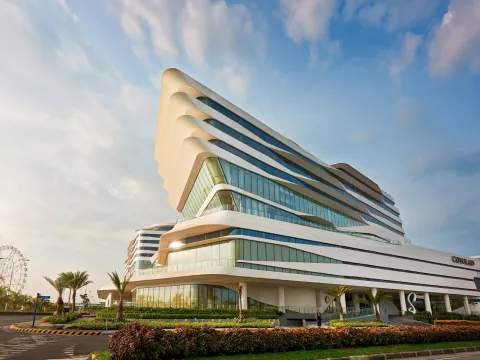
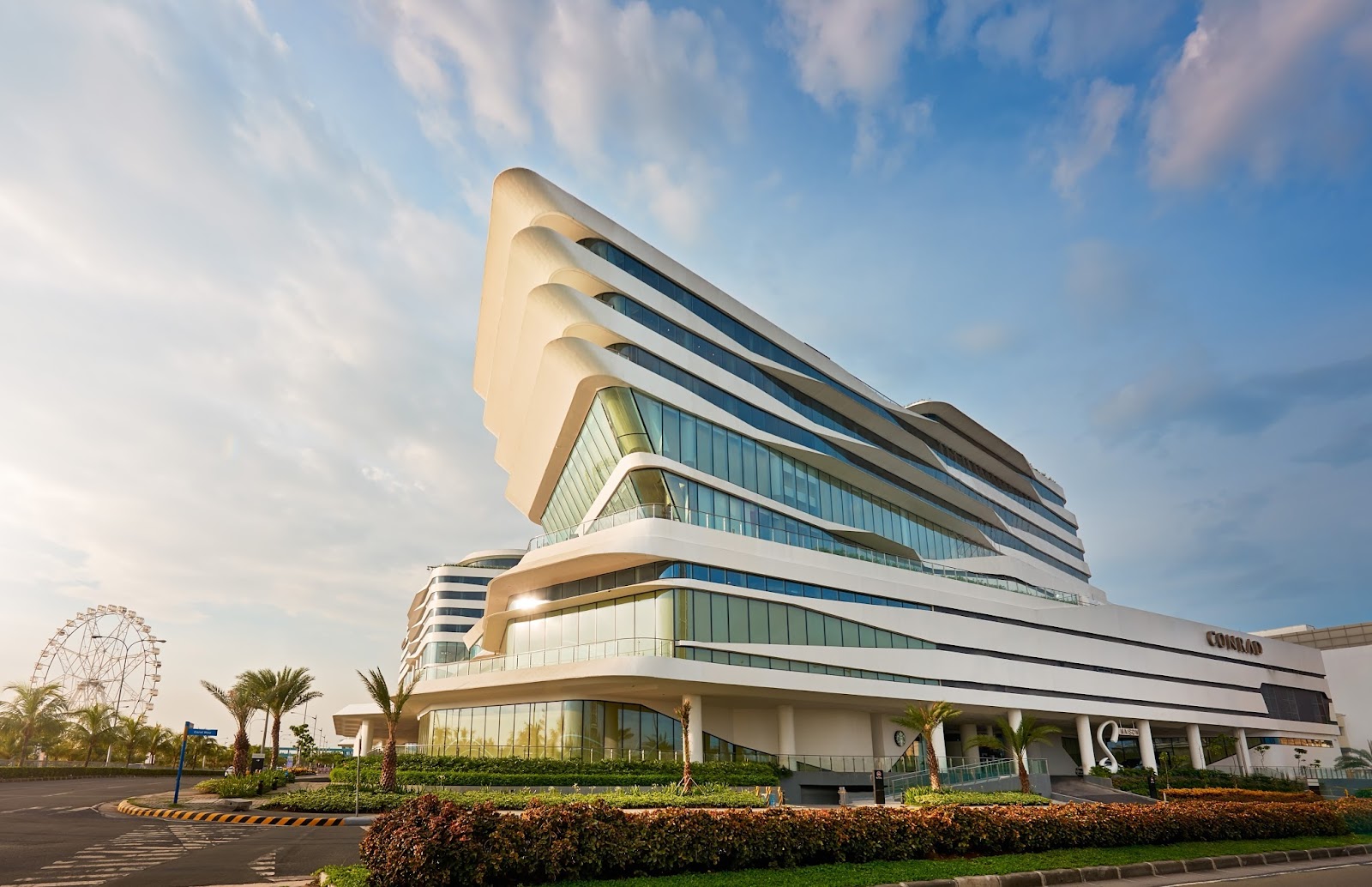
North of Epifanio de los Santos Avenue, near the boundary with Makati, the city becomes denser and more commercial. This is where entertainment complexes, malls, and some integrated hotel–resort developments appear, often with direct access to shopping, cinemas, and casual dining. Around the Mall of Asia area, for example, you will find large properties such as Conrad Manila and Hotel 101, plus midrange chains clustered near the arena and convention venues. If you want nightlife, gaming, or large-scale entertainment under one roof, this cluster is more compelling than the quieter bayfront. Each zone has a distinct personality, so check the exact neighborhood before you book.
What to expect from rooms, amenities, and overall comfort
Room categories in Pasay range from compact city doubles to expansive suites with a separate living room and panoramic windows over the bay or the airport runways. In the upper tier, expect high-thread-count linens, generous work desks, and bathrooms with both rain showers and deep soaking tubs. Some luxury hotels in Pasay City also offer connecting rooms and family configurations, useful if you are traveling with children or a small group and want everyone on one floor. Budget and lower midrange properties, by contrast, tend to emphasize firm beds, air-conditioning, and reliable Wi‑Fi over decorative flourishes.
Amenities are where the area quietly excels. Many properties feature a sizeable outdoor pool, sometimes with a dedicated children’s section and a bar that stays open into the evening. A few hotels in the broader Metro Manila area add access to nearby golf courses, but in Pasay itself you are more likely to find fitness centers, spa facilities, and wellness floors with saunas and treatment rooms. If a spa is important to your stay, check whether the hotel offers a full-service facility or just a couple of massage rooms, and whether advance reservations are recommended during weekends or holidays.
Service-wise, the better city hotels in Pasay usually provide 24-hour room service, laundry service with same-day options, and luggage storage for guests with late flights. Many also organize airport transfers, though you should verify whether these are complimentary or part of a stay package and whether they run to all NAIA terminals. For drivers, on-site parking or a combined parking pool with neighboring properties can be a deciding factor, as street parking along major arteries like Taft Avenue is rarely convenient. Ride-hailing apps such as Grab are widely used, and for short hops you can also access the LRT-1 and MRT-3 lines from Pasay stations if you are comfortable with Manila’s commuter rail system.
Food, breakfast buffets, and on-site entertainment
Breakfast in Pasay’s higher-end hotels is rarely an afterthought. The typical breakfast buffet stretches from Filipino staples like beef tapa, garlic rice, and taho to international stations with made-to-order eggs, charcuterie, and fresh tropical fruit. In some properties along Roxas Boulevard, you can take your morning coffee while watching joggers trace the baywalk, a small but memorable Manila ritual. If you care about breakfast, this is a city where it makes sense to linger in the dining room rather than rush out, especially if it is already bundled into your room rate.
Beyond breakfast, most Pasay hotels at the premium level maintain at least one all-day restaurant and a more focused concept, whether that means a grill, a seafood-led menu, or a lounge with afternoon tea. The better properties curate their bar programs carefully, pairing local craft beers and Filipino rum with small plates that nod to regional flavors. For guests who prefer to stay in, room service menus are often surprisingly extensive, covering both comfort food and lighter, travel-friendly dishes. In the Mall of Asia and entertainment districts, you can also walk to chain restaurants, food courts, and casual cafés if you want more budget-conscious dining.
Entertainment is woven into the urban fabric here. Within a few kilometres you can reach the Cultural Center of the Philippines for performances, the Mall of Asia complex for shopping and an amusement park, and several gaming and entertainment hubs. Some hotel–resort complexes in Pasay integrate direct access to these venues, turning the property into a self-contained leisure base. If you plan to spend evenings out, check walking distances and whether pedestrian routes are comfortable at night, as Manila’s heat and traffic can make even short trips feel longer. For late returns, many guests rely on ride-hailing cars or metered taxis rather than walking along the main roads.
Who Pasay suits best – and when to look elsewhere
Business travelers and conference delegates are the natural audience for a hotel in Pasay. Proximity to convention centers, corporate offices along Roxas Boulevard, and the airport terminals keeps transfers short and predictable. If your schedule is dense, staying in Pasay City means you spend more time in meeting rooms and less time in traffic. The same logic applies to island hoppers connecting through Manila on their way to Palawan, Cebu, or Siargao; an overnight stay near the airport is simply more restful, especially when you can be at NAIA Terminal 3 in roughly 10–20 minutes outside peak hours.
Families often appreciate the combination of large rooms, pools, and easy access to malls and kid-friendly entertainment. A property with a generous pool deck and a shallow children’s area can turn a transit stop into a mini-resort break, especially if you secure a stay package that includes breakfast and late check-out. Look for family-friendly hotels in Pasay with flexible bedding configurations, reliable room service, and laundry service, as Manila’s humidity can be hard on travel wardrobes. Budget-conscious groups may also consider simpler hotels near EDSA or Taft Avenue and allocate more of their budget to activities at the Mall of Asia or nearby attractions.
If your priority is heritage architecture, bohemian cafés, or walking through historic streets, you may prefer to base yourself closer to Intramuros or in certain pockets of Makati. Pasay is more about function than romance. It works beautifully when you value access to the international airport, major roads, and large-scale entertainment, but it is not the city’s most atmospheric district. Knowing this trade-off helps you decide whether to treat Pasay as your main base or as a very efficient stopover, perhaps paired with a night or two in a more characterful neighborhood elsewhere in Metro Manila.
Practical checks before you book a hotel in Pasay
Street names matter in this city. A hotel on Roxas Boulevard offers a very different experience from one tucked behind Taft Avenue or closer to the roads feeding Ninoy Aquino International Airport. Before you book, check the exact address and look at the distance to the places you will actually visit, whether that is the Cultural Center, the Mall of Asia area, or a specific office complex. Distances of 3–5 km can feel long in Metro Manila traffic, so location within Pasay City is not a minor detail. It also helps to note how far you are from LRT-1 or MRT-3 stations if you plan to use public transport.
For drivers or guests using car services, confirm the parking situation. Some properties include on-site parking, others rely on a shared parking pool with nearby buildings, and a few have limited spaces that fill quickly during events. If you are arriving late from the airport, a guaranteed slot can make the difference between a smooth check-in and a frustrating search. Also consider whether you need easy access to expressways heading south to Cavite or north toward Quezon City, as certain Pasay hotels sit closer to the entry ramps than others.
Inside the hotel, verify which amenities are genuinely available during your dates. Pools, spa facilities, or certain restaurants may occasionally close for maintenance or private events. If you plan to use luggage storage between flights, confirm the policy and time limits. For travelers with early departures from Ninoy Aquino International Airport, it is worth checking whether the front desk can arrange reliable transfers at off-peak hours, especially if you are flying out of the busier international terminals. Some properties also run scheduled shuttle vans to NAIA, which can be more predictable than hailing a car at 3 a.m.
Resort-style stays, airport convenience, and how to choose
Not all stays in Pasay feel the same. Some properties lean into a resort sensibility, with expansive pool decks, landscaped gardens, and spa menus that encourage you to spend most of your time on-site. These hotel–resort hybrids often sit closer to the bay or within larger mixed-use developments, where you can walk to dining, entertainment, and sometimes even small patches of greenery. If you want a Manila stay that feels like a pause between island trips, this style of property is the better fit, though nightly rates tend to be higher than at purely transit-oriented hotels.
Airport-focused hotels, by contrast, prioritize efficiency. They offer streamlined check-in, reliable transfers to Ninoy Aquino International Airport, and rooms designed for short but comfortable stays. You may not get a golf course or a sprawling spa, but you will likely have strong basics; good bedding, blackout curtains, and responsive room service. For one-night stopovers or very early flights, this is often the most rational choice, especially if you are connecting through the busy Aquino International terminals and want to minimize the risk of delays from traffic or heavy rain.
Some travelers try to split the difference by choosing a property that offers both resort-like amenities and reasonable airport access. In that case, pay attention to traffic patterns and time of day rather than just raw distance. A hotel that is 6 km from the airport but connected to a main artery can be faster than one that is technically closer but buried in smaller streets. In the end, the right Pasay hotel is the one whose location, amenities, and atmosphere align cleanly with the purpose of your trip, whether that is a tightly scheduled business visit, a family stopover, or a short city break before heading to the islands.
Is Pasay a good place to stay in Manila?
Pasay is an excellent place to stay if you value quick access to Ninoy Aquino International Airport, major roads, and large entertainment complexes, and you are comfortable with an urban, high-traffic environment. It works especially well for business trips, conferences, and short stopovers between island destinations, offering large hotels, solid amenities, and convenient transport links, though it is less suited to travelers seeking historic streets or a village-like neighborhood feel.
How far is Pasay from the airport?
Pasay directly borders Ninoy Aquino International Airport, so many hotels in the city are roughly 4–8 km from the main terminals, depending on the exact address. Travel time by car typically ranges from about 15 to 25 minutes in moderate traffic, though it can be longer during peak rush hours or heavy rain, which is why airport-focused properties in Pasay are popular for late-night arrivals and early-morning departures.
What amenities do hotels in Pasay usually offer?
Higher-end hotels in Pasay usually offer spacious rooms, a pool, fitness facilities, at least one restaurant with a substantial breakfast buffet, and 24-hour room service. Many also provide spa services, laundry service, luggage storage, and on-site or shared parking, with some properties adding direct access to nearby malls or entertainment venues to create a more resort-like experience within the city.
Who should choose a hotel in Pasay rather than Makati or Intramuros?
Travelers who prioritize airport proximity, convention centers, and large-scale entertainment are better served by a hotel in Pasay than by staying in Makati or Intramuros. If your trip revolves around meetings near Roxas Boulevard, events at the Cultural Center, or quick connections through the international airport, Pasay is more practical, while Makati and Intramuros are stronger choices for nightlife, dining scenes, or historic sightseeing.
What should I check before booking a hotel in Pasay?
Before booking, check the exact street address to understand whether the hotel sits by the bay, near the airport corridor, or in an entertainment complex, as each offers a different experience. You should also verify the parking arrangements, the status of key amenities such as the pool and spa, the availability of luggage storage and airport transfers, and how long it will realistically take to reach the places you plan to visit during your stay.