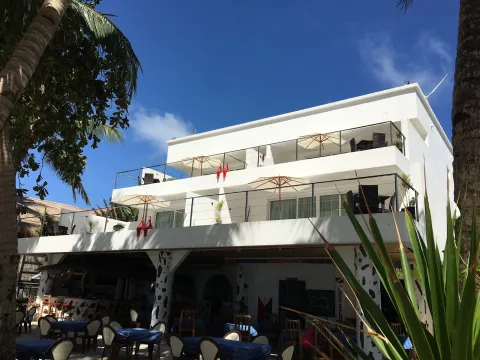
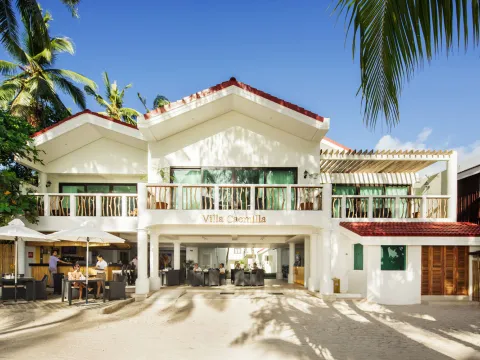
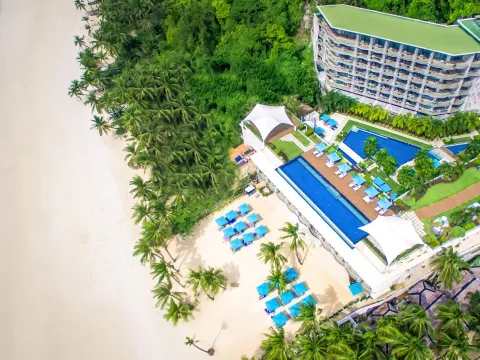
Discover the best Visayas hotels in Cebu, Boracay, Panglao and Iloilo, with top picks, transfer tips and what to expect from rooms, service and beachfront or city stays.
Why the Visayas are a smart choice for a premium stay
White sand underfoot, not crowds, is what defines the best Visayas hotels. This central region of the Philippines stretches from the limestone cliffs of Cebu to the sugar-sand coves of Boracay and the calm bays of Panglao, giving you a rare mix of island seclusion and solid city access. For travelers weighing where to book their next hotel in the Philippines, the Visayas offer a more balanced rhythm than Manila or Palawan; you can pair a serious beach resort with a night or two in a polished city hotel without long transfers.
Luxury and premium properties here tend to be compact, with fewer rooms than the big Asian mega-resorts, which means quieter pools, more attentive turndown service and staff who remember how you take your coffee. Expect air conditioned rooms as standard, often with ceiling fans and large sliding doors that open to an outdoor terrace, a garden resort courtyard or a direct pool access deck. The average guest profile skews toward couples and small families who want comfort and service but still plan to explore beyond the hotel gate.
Not every island suits every traveler. Boracay’s White Beach and its three main stations feel social and walkable, while Panglao’s Alona Beach is more compact, with dive boats lining the shore at sunrise. Cebu City and Iloilo City, on the other hand, are about business, food and culture first, with a growing portfolio of city hotels that work well as a base before or after island-hopping. If you want a resort-only escape, focus on the coasts; if you enjoy nightlife and dining variety, anchor at least one night in a Visayas city.
- Top picks at a glance: Shangri-La Mactan, Cebu (5-star, family-friendly beach resort; from around ₱12,000–₱18,000 per night; book at least three months ahead for peak holidays), The Lind Boracay (5-star design hotel on White Beach Station 1; from roughly ₱14,000–₱20,000; request a high-floor sea-view room), Henann Resort Alona Beach, Panglao (4–5-star beachfront with multiple pools; from about ₱7,000–₱11,000; look for weekday rates), and Courtyard by Marriott Iloilo (4-star business hotel near the Iloilo Business Park; from around ₱5,000–₱8,000; ask for a river-facing room on a higher floor).
Choosing between Cebu, Boracay, Panglao and Iloilo
Landing in Cebu City puts you at the practical heart of the Visayas. From Mactan–Cebu International Airport, most premium hotels are within 30 to 45 minutes by car in normal traffic, and you can be on a dive resort pier in Daanbantayan in roughly three to four hours by road, according to typical transfer estimates from local operators. Cebu’s advantage is connectivity; ferries and short flights fan out to neighboring islands, so it is ideal if you want to combine a polished city hotel with a few nights in a remote beach resort. Expect larger properties here, some of the biggest hotels in the Visayas, with extensive pools, multiple restaurants and full-service spa facilities.
Boracay is a different proposition. The island’s famous White Beach runs for about 4 km, divided into Stations 1, 2 and 3, each with its own character. Station 1 leans more premium, with wider beachfronts and quieter evenings, while Station 2 is the social hub, lined with bars and compact hotels and resorts tucked just behind the sand. Station 3 feels more relaxed and low-key. If you want to step from your room to the beach in seconds, Boracay still delivers, but accept that you are trading seclusion for energy.
Panglao, linked by bridge to Bohol, suits travelers who prefer a softer tempo. Alona Beach is the main strip, a crescent of sand where dive boats depart for Balicasag Island and where you will find a mix of mid-size resorts and smaller garden resort style properties. Move a few kilometres away toward Dumaluan or Doljo and the atmosphere becomes more residential, with rentals and low-rise hotels facing quieter stretches of coast. Iloilo City, by contrast, is about riverfront promenades, heritage houses along Calle Real and easy day trips to Guimaras Island; it is a strong choice if you want culture and food first, then a short hop to the beach.
What to expect from rooms, service and facilities
Rooms in the better Visayas hotels tend to prioritise space and light over ornate design. Think tiled or wooden floors, large windows framing a sea or city view, and balconies that catch the late-afternoon breeze. Air conditioning is standard, often complemented by quiet ceiling fans, and you can reasonably expect an air conditioned lobby and restaurant as well, which matters in the humid months from March to May. Many premium properties offer a clear room hierarchy; entry-level city rooms, larger corner suites, and in resorts, villas with direct pool access or private gardens.
Service style in the Visayas is warm and informal but increasingly polished. In higher-end hotels, turndown service is common, with curtains drawn, lights softened and fresh water set by the bed each evening. Spa facilities range from compact massage rooms in city hotels to full wellness pavilions in coastal resorts, where treatments often use local ingredients such as coconut oil or calamansi. Outdoor pools are a central feature almost everywhere, from rooftop pools in the city to lagoon-style pools that wind through garden resort grounds.
Parking and logistics are usually straightforward. Many properties outside the tightest beachfront strips include free parking, which is useful if you are self-driving between Cebu, Iloilo City and smaller coastal towns such as San Remigio or Daanbantayan. Beach resort layouts often separate the arrival area from the seafront, so you step from a shaded porte-cochère into a lobby that frames the ocean like a stage. In city hotels, expect compact but efficient footprints, with lifts, a small lobby café and a businesslike check-in area that still manages a sense of Filipino hospitality.
Beachfront stays versus city bases
Staying directly on the beach in the Visayas is seductive, but it is not always the most practical choice. On Boracay’s White Beach, for example, a front-row hotel in Station 2 puts you at the centre of the island’s nightlife, yet you will share the sand with a constant flow of visitors. A second-row property, set just behind the beachfront path, can offer quieter rooms and better value while still keeping the sea within a one-minute walk. On Panglao’s Alona Beach, the narrow strip means true beachfront rooms are limited; many travelers happily choose a resort set 200 to 300 m inland with a calmer atmosphere and a generous pool.
City hotels in Cebu City and Iloilo City play a different role. They are your reset points between island hops, with reliable air conditioning, structured service and easy access to transport hubs. A hotel along Cebu’s Archbishop Reyes Avenue, for instance, places you within a short drive of both the port and major shopping centres, which is convenient if you are catching an early ferry or flight. Iloilo’s business district near Diversion Road offers similar practicality, with hotels that cater to both corporate guests and leisure travelers heading onward to the islands.
Choosing between a beach resort and a city base often comes down to your travel rhythm. If you plan to dive, sail or simply stay horizontal on a lounger, prioritise beachfront or near-beach rentals in the Visayas, ideally with an outdoor pool and direct sea access. If your itinerary includes food tours, heritage walks and meetings, anchor yourself in the city and treat the beach as a day trip or a second chapter. Many discerning travelers split their stay; two nights in a polished city hotel, then three to five nights in a quieter coastal resort.
Hidden corners: beyond Boracay and Panglao
Some of the most rewarding Visayas hotels sit far from the usual names. Northern Cebu, around towns such as Daanbantayan and San Remigio, offers a slower, more local version of the beach resort experience, with long, shallow shores and views toward Malapascua Island. Here, dive resort operations focus on early-morning departures to thresher shark sites, and evenings are about quiet dinners rather than bar-hopping. You trade instant access to multiple restaurants for a sense of space and a sky full of stars.
On Negros, coastal stretches near Dumaguete and the surrounding towns host a handful of understated resorts that appeal to divers and travelers who prefer volcanic black-sand beaches to postcard-perfect white. The atmosphere is more residential; you might share the shore with fishermen pulling in nets at dawn. Rentals in the Visayas interior, particularly in sugarcane country, are more about farm stays and river views than classic beach holidays, but they can pair beautifully with a few nights on the coast.
Even within better-known islands, quieter pockets exist. On Boracay, the eastern side facing Bulabog Beach feels windier and more laid-back, popular with kitesurfers and guests who prefer a short walk to White Beach rather than sleeping above it. In Bohol, moving away from Alona toward more secluded coves means fewer dining options but a stronger sense of retreat. For travelers who value privacy and a slower pace over instant entertainment, these less obvious corners of the Visayas can feel like the best hotels in the region.
How to compare Visayas hotels before you book
Filtering through hotel options in the Visayas is easier when you focus on a few concrete criteria. Location comes first; check the exact distance to the beach, the nearest station or jetty, and the transfer time from the airport or port. A property described as “beachfront” in Boracay might sit on a narrow lane behind the main path, while a hotel in Cebu City could be either in the central business district or several kilometres away along a busy highway. Map this out before you commit. For divers, confirm how close the dive resort is to the actual boat departure point.
Facilities matter just as much. Decide whether you prioritise a large outdoor pool, a full spa, a gym or simply a quiet garden resort setting. In the tropics, reliable air conditioning is non-negotiable; look for clear mentions of air conditioned rooms and public areas, especially if you are sensitive to heat. If you are renting a car, verify whether the hotel offers secure free parking, particularly in tighter areas around Alona Beach or central Cebu. Families may want connecting rooms or suites, while couples often prefer higher floors or stand-alone villas for privacy.
Finally, read between the lines of guest feedback without obsessing over individual reviews. Consistent mentions of attentive staff, efficient turndown service and well-maintained pools usually indicate a well-managed property. Repeated comments about noise, dated rooms or limited beach access are harder to ignore. For a multi-stop itinerary across the Philippines, aim for a mix; one or two nights in a polished city hotel for convenience, followed by a longer stay in a resort where the view, the beach and the overall atmosphere justify lingering.
Who the Visayas suit best
Travelers who appreciate contrast tend to fall hardest for the Visayas. You can wake up in a high-rise room overlooking Iloilo River, fly or sail for an hour, and end the day in a low-slung villa where the loudest sound is the surf. The region works particularly well for couples, small groups of friends and families with older children who are comfortable with boat rides and day trips. Solo travelers also find it manageable; city hotels in Cebu and Iloilo offer structure and security, while island resorts provide easy social contact around the pool or bar.
If your ideal holiday is a single, ultra-remote island with no movement at all, other parts of the Philippines may suit you better. The Visayas shine when you embrace a little motion; a few days on Boracay’s White Beach, a hop to Panglao for diving, then a final night in Cebu City before your flight. The average transfer time between these hubs is short enough to keep the journey pleasant, yet long enough that each stop feels distinct. For travelers who enjoy planning, this is part of the appeal.
In the end, choosing a hotel in the Visayas is about matching your own pace to the islands’ rhythm. If you value good service, comfortable air conditioned rooms, thoughtful details like nightly turndown and a choice between city energy and beach calm, this region is an excellent base for exploring the Philippines. Take the time to compare locations, facilities and atmosphere, and the right property will feel less like a stopover and more like the centre of your trip.
Is the Visayas a good area to stay for a first trip to the Philippines?
Yes, the Visayas are an excellent choice for a first visit. You get a mix of lively islands such as Boracay and Panglao, practical hubs like Cebu City and Iloilo City, and easier transfers than more remote regions. This combination lets you sample beaches, diving, food and culture without overly long travel days.
What is the difference between staying in Cebu City and staying on the beach?
Cebu City offers urban comforts; structured service, varied dining, shopping and quick access to ports and the airport. Beach areas such as Mactan, Daanbantayan or nearby islands focus on sea views, pools and water activities but have fewer independent restaurants and shops. Many travelers use the city for arrival and departure nights, then move to a coastal resort for the main part of their stay.
Where should I stay in Boracay; Station 1, 2 or 3?
Station 1 suits travelers who want a more premium feel, wider beachfront and quieter evenings. Station 2 is best if you like being in the centre of the action, with many restaurants and bars just steps from your hotel. Station 3 feels more relaxed and residential, appealing to guests who prefer a softer nightlife scene while still being on White Beach.
Are Panglao and Alona Beach good for families?
Panglao works well for families who enjoy a mix of pool time and gentle adventures such as island-hopping or dolphin watching. Alona Beach has a compact, walkable strip with restaurants and dive shops, but beachfront space is limited, so many families choose resorts slightly set back with larger gardens and quieter pools. For younger children, look for properties with shallow pool sections and easy beach access.
How many nights should I plan in the Visayas?
For a balanced trip, plan at least six to eight nights in the Visayas. A common pattern is two nights in a city hotel in Cebu City or Iloilo City, three to four nights in a beach resort on Boracay or Panglao, and, if time allows, two more nights in a quieter coastal area such as northern Cebu. This gives enough time to settle into each place without feeling rushed.