Plan your stay on Boracay Island with this practical guide to White Beach areas, beachfront vs hillside hotels, room types, and who the island in the Philippines suits best.
Why Boracay Island is worth planning your whole trip around
Powder-fine sand that squeaks underfoot, water the colour of blown glass, and sunsets that stop conversations mid-sentence; Boracay Island still earns its reputation as a compact paradise in the Philippines. For travellers focused on the hotel experience, this island is not just a stop on a wider itinerary but a destination that can anchor an entire journey. The main draw is simple yet powerful; a walkable island where you can move from one beach to another in minutes, then retreat to a quiet room with full ocean views and resort-level comfort.
Along the four-kilometre curve of White Beach, the atmosphere shifts subtly from north to south, and your choice of hotel will shape your stay more than in many other island Philippines destinations. Stay near the northern end and you get a calmer, more exclusive feel, with luxury resorts tucked behind coconut groves and fewer day-trippers wandering past your sun lounger. Base yourself closer to the central stretch and you trade seclusion for energy; cafés, sailing boats, and late-night music just a short stroll from your room.
Those who come with family, or in a group, often appreciate how compact Boracay is. From the main jetty port at Cagban to the centre of White Beach is roughly 15 to 20 minutes by road in a shared van or e-trike, so even with luggage the transfer feels manageable after a long-haul flight into the Philippines. Once checked in, you can treat the island as a single, open-air resort; no long commutes, just short rides between beaches, viewpoints, and sailing points for your own discovery of the coastline.
Understanding Boracay’s areas: where each type of traveller should stay
On the map, Boracay looks small. On the ground, micro-neighbourhoods matter. The central landmark is White Beach, divided informally into three zones that travellers still refer to as Station 1, Station 2, and Station 3, even though the old boat stations are gone. Each area has a distinct character, and your hotel choice should follow your travel style rather than a generic “top resort Boracay” list or a single headline recommendation.
The northern stretch, often associated with Station 1, suits travellers who want space and a more refined, low-key atmosphere. Sand here feels even softer, the beach slightly wider, and many properties are set back with generous gardens, giving a sense of privacy without the full isolation of a private island. Couples and honeymooners often gravitate here, as do families who prefer to walk with strollers on quieter paths rather than weave through crowds, and who value an exclusive, village-like resort environment.
Central White Beach, around the old Station 2 area, is the island’s social heart. From late afternoon until late evening, this is where you feel the full energy of Boracay; live music, sunset sailing, and a constant flow of people in and out of restaurants. A hotel here works if you want to step out of your room and be in the middle of it all, but it is less suited to travellers who are sensitive to noise or who prioritise a tranquil, secluded retreat away from the busiest part of the island.
Beachfront vs elevated stays: choosing your setting on Boracay Island
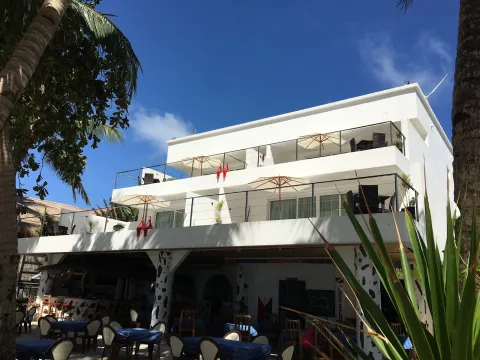
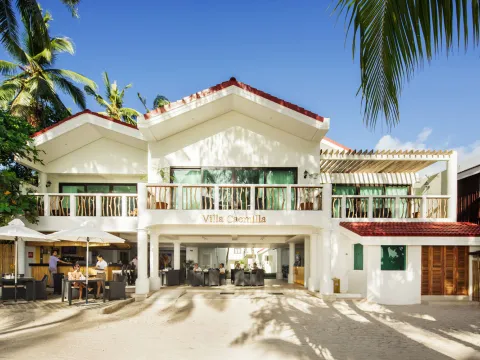
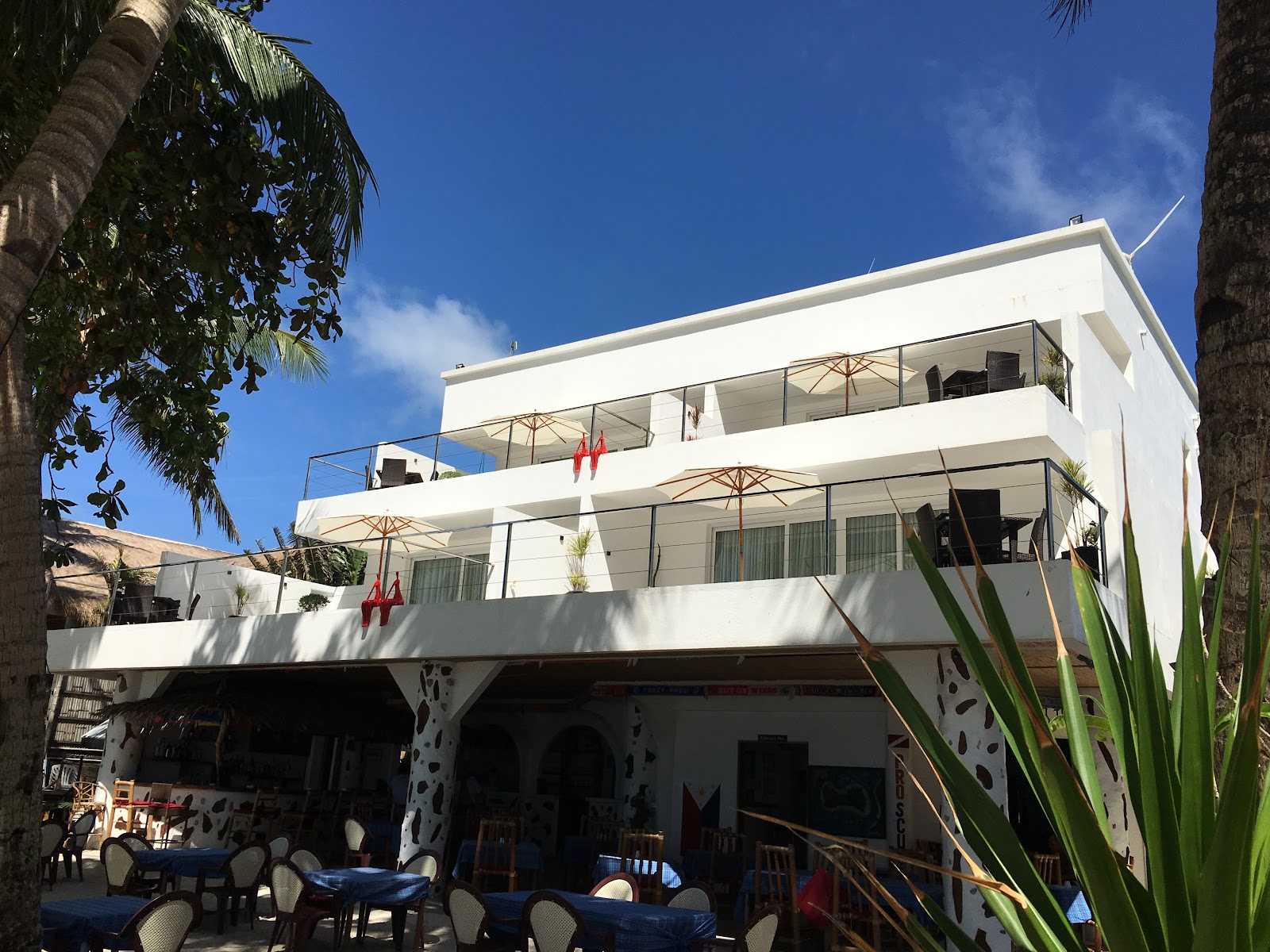
Feet-in-the-sand or perched-above-the-bay; that is the essential choice when you book a hotel on Boracay Island. Beachfront properties along White Beach give you the classic island Philippines fantasy. You wake to the sound of the shore, walk a few metres from your room to the water, and watch the sky turn from pale pink to deep orange with a drink in hand. For many first-time visitors, this direct connection to the beach is non-negotiable and defines their idea of a resort Boracay escape.
Elevated stays, set on the island’s gentle hills, offer a different kind of luxury. Here, the reward is perspective. From a hillside terrace you see the full curve of Boracay, with sailboats tracing blue lines across the channel and, on clear days, the outline of Panay Island in the distance. Ocean views from above feel more expansive, and the breeze is often stronger, which can be a welcome relief in the hotter months when the beachfront feels still.
There is a trade-off. Beachfront hotels win on immediacy and barefoot convenience, while hillside properties tend to feel more secluded and can deliver a stronger sense of discovery as you look out over the island. Families with young children usually prefer the simplicity of a ground-level path to the sea. Travellers who value quiet evenings, or who plan to spend long hours reading on a balcony, often lean towards elevated rooms with wide terraces and fewer passers-by, accepting a short shuttle ride in exchange for calm.
What to expect from rooms and suites in Boracay’s luxury hotels
Room categories on Boracay Island tend to follow a clear hierarchy; garden-facing, partial sea view, and full oceanfront. Entry-level rooms often face courtyards or landscaped areas, which can be surprisingly peaceful if you choose a property that has invested in mature greenery and thoughtful soundproofing. These rooms work well if you plan to spend most of your time on the beach or out exploring, and simply want a calm, well-designed base with reliable air-conditioning and good beds.
Upgrade to a sea-facing room and the experience changes. Waking up to the sight of sailboats on White Beach or the northern coves is one of the quiet luxuries of staying on Boracay. Many higher-category rooms come with balconies or terraces large enough for a small table and chairs, turning your private outdoor space into a second living room. For travellers who value slow mornings with coffee and a view, this is often the most satisfying category to book, even if it means choosing a slightly smaller room type.
Suites and multi-room layouts cater particularly well to family travel. Separate living areas allow children to sleep while adults enjoy a late-night conversation, and some properties offer connecting rooms that keep everyone close without sacrificing privacy. When comparing options, look closely at floor plans, approximate sizes, and orientation; a slightly smaller room with direct ocean views can feel more special than a larger unit facing the back of the property, especially on a short stay.
Who Boracay Island suits best – and who might prefer another Philippine island
Travellers who enjoy a balance of comfort and activity tend to thrive on Boracay. You can spend the morning on a near-empty stretch of sand, then be tasting grilled seafood on the beachfront promenade by early evening. The island works especially well for first-time visitors to the Philippines who want an easy, polished introduction to the archipelago without sacrificing the feeling of being on a true island escape, and who appreciate having a wide choice of hotels in one compact place.
Families appreciate the short distances and the way the island is organised around a single main beach. It is easy to agree on a meeting point, easy to walk back to the hotel for a midday rest, and easy to arrange simple excursions such as a sailing trip at sunset or a half-day island-hopping tour. For multi-generational groups, this convenience often matters more than the idea of a completely remote paradise, and makes it simpler to find a room configuration that suits everyone.
Travellers seeking deep solitude or a sense of raw, untouched nature might find other parts of the Philippines more aligned with their expectations. Boracay is not a castaway fantasy; it is a compact, well-developed resort island with a clear structure and a certain polish. If your ideal stay involves long, empty beaches with almost no infrastructure, you may prefer to combine a few nights on Boracay with time on a quieter neighbouring island to complete your personal Philippines discovery and balance comfort with wilderness.
How to compare and book the right hotel on Boracay Island
Choosing a hotel on Boracay Island is less about chasing a single “top” property and more about matching the setting and style to your own travel rhythm. Start with location; decide whether you want to be directly on White Beach, slightly set back on a side lane, or elevated with panoramic ocean views. From there, look at how each property handles space. Wide gardens, generous balconies, and thoughtful landscaping often signal a more exclusive, resort-like feel that will shape your overall experience.
When you are ready to book, pay attention to room descriptions rather than just category names. Terms such as “partial sea view” or “garden wing” can mean very different things from one hotel to another. A clear, detailed overview of the layout, orientation, and access to the beach will tell you more about your future stay than any generic label. If you are travelling as a family, check whether the configuration allows for extra beds or connecting rooms without compromising comfort or safety.
Finally, consider the overall atmosphere you are seeking. Some properties lean into a lively, social energy with music and events, while others cultivate a quieter, more retreat-like mood. Neither is objectively better. The right choice is the one that aligns with how you want to feel when you step out of your room at sunset; ready to join the flow of people along the shore, or content to watch the sky change colour from a private terrace, with the island’s gentle sounds drifting up from below and a sense of space that respects your privacy.
Shangri, discovery and other luxury styles: decoding Boracay’s premium scene
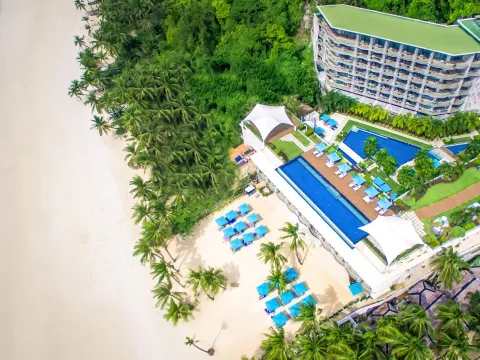
Names and styles on Boracay often hint at the experience you can expect. Properties that echo the “Shangri” or “Shangri Boracay” universe tend to emphasise a resort Boracay feeling; expansive grounds, layered pools, and a clear sense of retreat from the busier parts of the island. These stays usually appeal to travellers who want a self-contained environment where everything from breakfast to sunset drinks happens within a carefully designed space that feels like its own private paradise.
Hotels that lean into a “discovery Boracay” or “Philippines discovery” narrative often focus more on connecting guests with the island itself. Expect curated activities, thoughtful introductions to local flavours, and staff who are keen to share their own favourite corners of the beach. The luxury here is less about marble and more about access; the right boat at the right time, the quietest stretch of sand at sunrise, the most atmospheric spot to watch the paraws sail past in the late afternoon, and an emphasis on authentic travel experiences.
Across the premium segment, one constant stands out; a growing attention to how guests move through space and how privacy is handled. Many higher-end hotels now articulate their privacy policy not only in terms of data but also in terms of physical experience, designing pathways, room clusters, and shared areas so that you can choose between social interaction and seclusion. For discerning travellers, this subtle choreography of space often matters as much as any headline amenity when deciding where to stay on Boracay Island.
FAQ
Is Boracay Island a good choice for a first trip to the Philippines?
Boracay Island works very well for a first trip to the Philippines because it combines easy logistics with a strong sense of place. Transfers from the mainland are straightforward, the main beach is walkable, and you can experience clear water, soft sand, and island sunsets without needing complex arrangements. It offers a polished introduction to the country while still feeling distinctly tropical and relaxed, with enough hotel choice to match different budgets.
Which part of Boracay is best for a quieter stay?
The northern stretch of White Beach, often associated with the old Station 1 area, is generally the best choice for a quieter stay. The beach is slightly wider, the atmosphere more relaxed, and many properties are set back with more space between them. This area suits couples, honeymooners, and travellers who prioritise calm evenings and gentle walks over nightlife, and who prefer an exclusive, low-rise resort setting.
How far are the hotels from the main port on Boracay Island?
From the main jetty port at Cagban to the central section of White Beach, most hotels are around 15 to 20 minutes away by road. Properties located further north or on elevated hillsides may take a little longer, but distances remain short compared with many other island destinations. This compact scale makes arrivals and departures relatively smooth, even after long international flights, and simplifies planning when you book transfers in advance.
Is Boracay suitable for family travel?
Boracay is very suitable for family travel thanks to its compact size, gentle waters along much of White Beach, and the variety of room configurations available. Many hotels offer layouts that work well for parents and children, such as connecting rooms or suites with separate living areas. Short walking distances and easy access to the beach make it simple to balance playtime, rest, and meals without long transfers, which is especially helpful with younger travellers.
Who might prefer another Philippine island instead of Boracay?
Travellers who are looking for very remote, undeveloped beaches with almost no infrastructure may prefer other islands in the Philippines. Boracay is a well-established resort destination with a clear structure and a certain level of activity, especially around the central part of White Beach. If you prioritise solitude over convenience, combining a short stay on Boracay with time on a quieter neighbouring island can be a better fit and will broaden your overall Philippines discovery.