Why filipino hotel architecture design now matters as much as the room rate
Filipino hotel architecture design has moved from background scenery to a main reason couples choose a stay. Across the Philippines, a new generation of architects treats every hotel building as architecture art, where the line between cultural storytelling and comfort is deliberately blurred. For travelers used to generic international chains, this modern architecture shift feels like a quiet revolution.
On myphilippinesstay.com, we see couples filtering searches not only by city or mountainous province, but by hotel design, architectural style and use of local materials. They want a hotel resort that feels rooted in Filipino architecture, not a copy of a Balinese villa or a random Mediterranean fantasy. This is where architecture Filipino thinking, based architecture on place and climate, and careful interior design now separate a memorable stay from a forgettable one.
Recent notes from the Philippine Department of Tourism indicate a growing number of luxury hotels designed by Filipino architects with a clear cultural and sustainability technology agenda. Internal briefings from the agency’s Office of Tourism Standards and Regulation describe accredited high-end properties that now highlight Filipino-led design and environmental strategies in their compliance documents. Complementing this, summaries from professional bodies such as the United Architects of the Philippines and the Philippine Institute of Architects point to projects that prioritize locally sourced materials in both construction and fit-out. For couples planning a romantic escape, choosing these hotels in the Philippines is a way to align comfort, design Philippines creativity and cultural respect in one booking.
From bahay kubo to raw concrete: how tradition shapes modern filipino style
The most interesting filipino hotel architecture design today starts with the bahay kubo, the archetypal rural home raised on stilts with a steep roof and generous cross ventilation. Architects translate this tropical architecture logic into modern Filipino suites that float above gardens, with shaded verandas and sliding panels that let the breeze replace constant air conditioning. The result is a hotel experience where you feel the climate, but never the heat.
Equally influential is the bahay na bato, the Spanish era stone house that combined a masonry base with a lighter wood upper floor and capiz shell windows. In many design hotel projects, this architectural style becomes a contemporary language of concrete plinths, timber screens and capiz accents that glow softly at night. The mix of stone, wood and capiz in these buildings gives couples a sense of heritage without feeling trapped in a museum.
Francisco Mañosa, whose work on Amanpulo in Palawan (completed in the early 1990s) helped define modern Filipino architecture for international travelers, proved that based architecture on local forms could still feel utterly luxurious. His approach to Filipino architecture used traditional roofs, deep eaves and natural materials while embracing modern structure and sustainability technology. Today, firms like RCHITECTS, Inc. and studios such as ALAO extend that legacy, creating hotel design concepts where Filipino style is expressed through both structure and interior design, not just decorative souvenirs.
Concrete, capiz and coral stone: the new luxury palette of the philippines
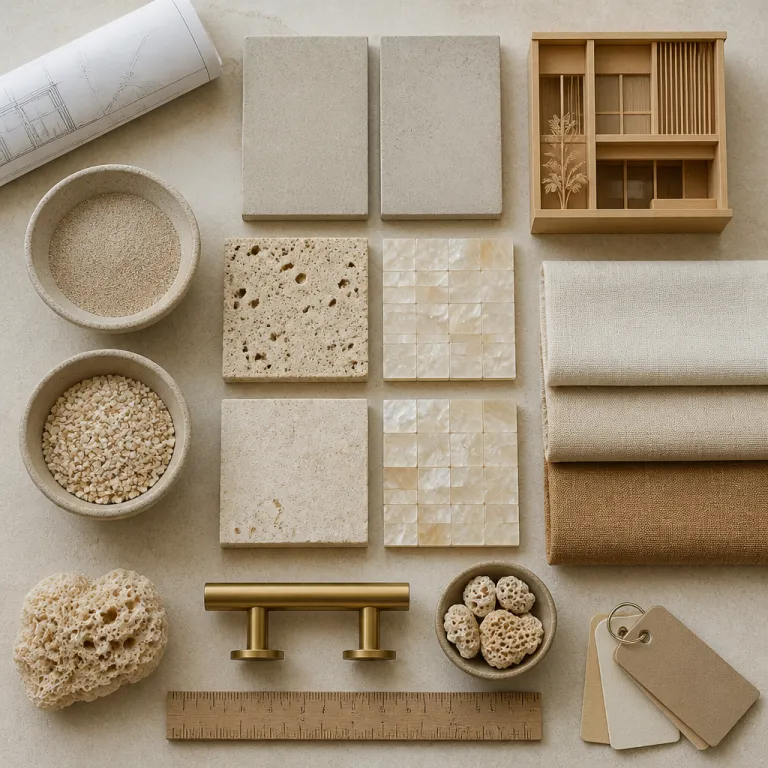
Walk into the right hotel resort in the Philippines and you immediately feel the shift in materials under your fingertips. Instead of imported marble and anonymous chrome, you find coral stone walls, polished concrete floors, narra wood joinery and capiz shell panels that filter the tropical light. This palette defines the most interesting filipino hotel architecture design projects now on the market.
Concrete, once seen as a purely utilitarian building material, is being handled like architecture art by Filipino architects. They cast it with board marks that echo bamboo, tint it in warm earth tones and pair it with wood ceilings and capiz details to soften the modern lines. In the right hands, modern architecture in concrete becomes a calm backdrop for the drama of the sea, the city skyline or a mountainous province horizon.
Coral stone, used carefully to respect environmental regulations, brings texture and a sense of national coastal identity to hotel façades in places like Puerto Princesa and Palawan’s smaller islands. Capiz shells, long a staple of Filipino interior design, now appear in headboards, sliding screens and lobby installations that glow like lanterns at dusk. As one design brief from a leading firm puts it without embellishment, “Concrete, capiz shells, and coral stone are commonly used in Filipino luxury hotels.”
Case studies: from puerto princesa to makati’s moxy, where architecture leads the stay
In Puerto Princesa, several new properties show how filipino hotel architecture design can turn a simple coastal plot into a destination in itself. Low slung villas use tropical architecture principles, with steep roofs, deep overhangs and cross ventilation that channels the sea breeze through shaded courtyards. These hotels are built with a mix of coral stone, local wood and concrete, creating a modern Filipino atmosphere that feels both raw and refined.
Head to the city and you see a different expression of design Philippines creativity. At Moxy Manila in Circuit Makati, opened in 2024 under the Marriott portfolio, the interior design leans into Filipino pop culture, integrating local komiks art across public spaces and guest rooms. The architecture here is unapologetically modern, but the interior layers of Filipino style graphics, textures and materials keep the hotel firmly grounded in the Philippines rather than in some anonymous international zone.
Further north, in a mountainous province such as Benguet or Ifugao, you will find hotel resort projects that reinterpret the steep roofs and stilted forms of indigenous architecture Filipino traditions. These buildings use heavy roofs for insulation, stone bases for thermal mass and generous balconies that frame rice terrace views. For couples planning an island and highlands itinerary, combining a design hotel in Makati with a mountain retreat and a Puerto Princesa coastal stay creates a narrative of Filipino architecture that unfolds across landscapes.
Design as differentiator: how to choose your next stay by its architect
On a premium booking platform like myphilippinesstay.com, design focused couples now scan listings for the architect’s name as carefully as for the star rating. When you see RCHITECTS, Inc. attached to a project, you can expect a thoughtful balance of modern architecture, local materials and sustainability technology. When a property credits Francisco Mañosa’s practice or protégés, you know the building will echo traditional forms while feeling resolutely contemporary.
Studios such as ALAO, known for Siama Hotel in Sorsogon (completed in 2014) and its extensive use of local wood and bamboo, show how based architecture on climate and craft can create a deeply relaxing environment. Their work demonstrates that filipino hotel architecture design is not about pastiche, but about rethinking structure, roof profiles and cross ventilation to suit the tropics. For couples, this translates into quieter air conditioning, softer light and a more intimate connection to gardens, pools and surrounding landscapes.
When browsing options, look for clear descriptions of materials, architectural style and interior design rather than vague lifestyle adjectives. Properties that explain how they are built, which Filipino architecture references they use and how they integrate cultural elements usually deliver more coherent experiences. For a deeper dive into architect led coastal stays, our guide to the best resorts in El Nido for a luxurious island escape highlights hotels where architecture, service and setting work in precise harmony.
Inside the walls: how interiors, privacy and policy shape the modern filipino stay
Exterior architecture may draw you in, but interior design determines whether a room feels like a sanctuary or a stage set. In the best examples of filipino hotel architecture design, the interior continues the story told by the façade, using the same wood species, capiz details and stone textures. This continuity calms the eye and lets couples focus on each other rather than on visual noise.
Modern Filipino interiors often favor open plans balanced by clever zoning for privacy, using sliding panels, screens and level changes instead of heavy walls. Cross ventilation is engineered through aligned windows and louvered doors, reducing reliance on mechanical cooling and supporting sustainability technology goals. In coastal hotels and city towers alike, this approach to interior design makes rooms feel larger, airier and more connected to the Philippines outside.
Behind the scenes, serious properties treat their privacy policy with the same rigor as their architectural drawings. A clear privacy policy signals that the hotel understands international expectations around data protection, especially for couples booking online through platforms like myphilippinesstay.com. When a hotel resort invests in both architecture Filipino excellence and transparent digital practices, it builds trust that extends from the building’s foundations to the booking form.
Where to stay for architecture first travelers in the philippines
If you are planning a design led journey through the Philippines, start by mapping regions where filipino hotel architecture design is most advanced. Manila and Makati offer dense clusters of design hotel options, where modern architecture meets bold interior design and Filipino style art programs. Here, you can spend days exploring buildings that treat lobbies as galleries and rooftops as stages for the city skyline.
From there, fly to Puerto Princesa or El Nido to experience hotel resort properties that push tropical architecture to its elegant limits. These hotels are often built low to the ground, with wide roofs, generous eaves and materials that age gracefully in salt air. Coral stone paths, wood decks and capiz lit lounges create a sequence of spaces that feel choreographed for barefoot evenings and long conversations.
Finally, consider adding a mountainous province retreat where architecture Filipino traditions meet cool air and pine forests. Here, buildings may echo the steep roofs of Cordillera houses, using stone bases and timber frames to anchor themselves to the slopes. Across these varied landscapes, the common thread is a commitment to Filipino architecture, thoughtful materials and a design Philippines mindset that treats every stay as a chance to express national identity through built form.
Key figures shaping filipino hotel architecture design
- Industry briefings from the Philippine Department of Tourism’s Office of Tourism Standards and Regulation describe luxury hotels in the Philippines designed by Filipino architects with a strong cultural and sustainability focus, indicating a clear shift toward locally led projects.
- Professional updates from the United Architects of the Philippines and the Philippine Institute of Architects highlight hotel developments that favor locally sourced materials, which strengthens national supply chains and reduces transport related emissions.
- Studios such as RCHITECTS, Inc. and ALAO collaborate closely with local artisans and construction firms, a partnership model that helps preserve traditional skills while supporting modern architecture standards.
- Ongoing timelines for projects like Siama Hotel and new coastal resorts show a continuous pipeline of architecture Filipino initiatives, rather than isolated one off experiments.
FAQ about filipino hotel architecture design in luxury stays
What materials define contemporary filipino hotel architecture design ?
Concrete, capiz shells and coral stone now anchor many leading hotel projects in the Philippines, often combined with local wood species such as narra and bamboo. These materials support both modern Filipino aesthetics and practical performance in a tropical climate. They also allow architects to reference traditional Filipino architecture while meeting international standards of comfort and durability.
Who are the key Filipino architects behind luxury hotels in the philippines ?
Francisco Mañosa is widely recognized for setting the benchmark with Amanpulo, where he fused traditional forms with modern architecture. Firms like RCHITECTS, Inc. and studios such as ALAO continue this lineage, designing hotel resort properties that prioritize local materials and climate responsive planning. Their work has helped position Filipino architecture on the radar of international travelers seeking design led stays.
Why is sustainable design so central to new hotel projects ?
Sustainable design reduces energy use through strategies like cross ventilation, deep roofs and careful orientation, which is crucial in the tropical Philippines. It also supports national goals to protect fragile coastal and mountainous province ecosystems that attract visitors in the first place. As one expert summary notes, sustainable design in these hotels “preserves the environment and promotes cultural heritage.”
How can I identify a hotel that truly reflects Filipino style rather than a generic resort ?
Look for clear references to Filipino architecture, such as bahay kubo or bahay na bato influences, and for detailed descriptions of materials like capiz, coral stone and local wood. Check whether the hotel credits a Filipino architect or design studio and whether the interior design features Filipino art, textiles or crafts. Reviews on platforms like myphilippinesstay.com often highlight when a property’s architectural style feels genuinely rooted in the Philippines.
Does focusing on architecture mean compromising on service or amenities ?
In the best properties, strong architecture and attentive service reinforce each other rather than compete. Hotels that invest in thoughtful design Philippines concepts usually plan guest flows, privacy and acoustics more carefully, which improves comfort. For couples, this often translates into quieter rooms, more intimate public spaces and a sense that every part of the building has been considered with their stay in mind.