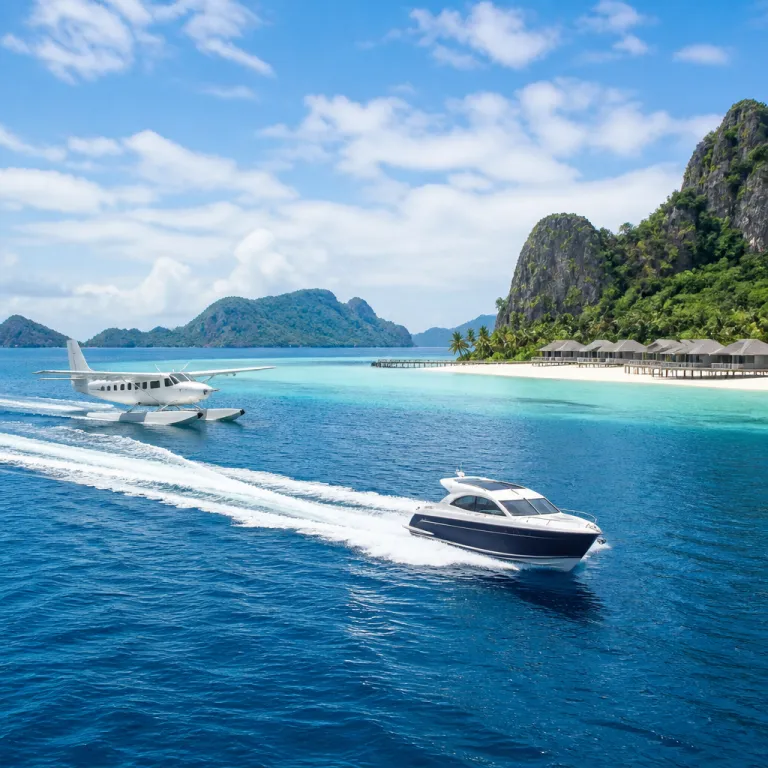
Why philippines island transfer seaplane changes the luxury hotel game
On a map, the Philippines looks like a scattered necklace of island gems. In reality, those 7,641 islands demand smart transportation choices if guests want a seamless luxury trip, not a tiring relay of vans and ferries. A well planned philippines island transfer seaplane itinerary turns what could be a long journey into a curated sequence of short, cinematic hops between turquoise lagoons.
For business leisure travelers extending meetings in Manila or Cebu, time is the rarest currency. A direct seaplane transfer from the capital to an island resort near Palawan or Boracay can compress what used to be a full day of travel into roughly an hour minute of unbroken comfort and aerial views. That efficiency is where a premium hotel booking website earns its keep, by aligning flight schedules, resort check in times and private speedboat connections so the journey feels like one continuous, thoughtful gesture.
Operators such as Air Juan and AirTrav Corporation have quietly redrawn the mental map of Asia for high end guests. Instead of thinking of Palawan as a remote frontier, travelers now see it as a short philippines island transfer seaplane ride from Manila Harbour or Clark, with the seaplane terminal functioning almost like a floating lounge. For myphilippinesstay.com, the editorial focus is on which resorts genuinely integrate these flights into their offers, and which simply mention transfers as an afterthought.
From Manila bay to island resort: how seaplanes really work
A philippines island transfer seaplane experience usually begins at a modest dock rather than a vast airport concourse. In Manila, that might mean a short car ride from your city hotel to the harbour, where check in for seaplane flights is refreshingly human scale and the boarding process feels closer to boarding a yacht than a commercial jet. The aircraft are typically Cessna Grand Caravan amphibians, built for short takeoff runs and smooth landings on sheltered water near an island resort.
For routes toward Palawan, flights often track the spine of the archipelago, giving guests sweeping aerial views of Mindoro, Coron and the northern Calamianes. Average flight duration from Manila to the Boracay area sits around the sixty minute mark, which means a philippines island transfer seaplane can replace both a domestic flight and a ferry in a single hop. As one operator explains to first time passengers, “Prices vary; check with operators like Air Juan for current rates.”
Safety standards are aligned with regional aviation rules, and seaplane transfers operate only when water conditions and visibility are appropriate. That is why a good luxury booking platform will flag seasonal patterns, advise guests to check weather conditions before travel and encourage them to confirm luggage allowances well before their trip. When the logistics are handled with that level of care, the seaplane terminal stop becomes part of the pleasure, not a stress point between resorts.
Palawan, puerto princesa and the rise of integrated island transfers
Palawan has become the reference point for philippines island transfer seaplane planning, especially for travelers targeting El Nido, Coron or the quieter coves south of Puerto Princesa. Many high end resorts now work directly with seaplane operators and premium speedboat providers to stitch together door to door transfers that feel almost choreographed. The best island resort options in this corridor treat transportation as an extension of their hospitality, not a separate chore for guests to solve.
From Manila or Clark, a seaplane transfer can bring you close to Puerto Princesa in roughly an hour minute, where a waiting van or private boat completes the journey to your chosen resort. Some properties near Puerto Princesa bay even arrange combined transfers, with a seaplane leg followed by a short cruise through mangrove lined channels that reveal Palawan’s softer side. For travelers used to Maldives style seaplane transfers over turquoise lagoons, the Philippines offers a wilder, more varied palette of island landscapes, from karst cliffs to dense forest.
On myphilippinesstay.com, we pay attention to how clearly each property explains its transfers, whether they offer shared flights or fully private charters and how realistic their stated travel times are. A hotel that promises a ninety minute journey from airport to villa but forgets to mention the extra hour minute of waiting at the pier is not respecting your schedule. By contrast, properties that detail every leg of the trip, from seaplane terminal to final bangka ride, tend to deliver a calmer, more reliable experience for guests.
Speedboats, yachts and the honest math of island hopping
Not every philippines island transfer seaplane route will fit your schedule, especially if you are combining Cebu, Bohol and Palawan in a single trip. That is where premium speedboats and yacht charters step in, turning what could be a slow ferry ride into a controlled, comfortable journey between islands. On the Cebu to Bohol corridor, for example, upgraded fast craft and private boats now give travelers a realistic alternative to crowded public transportation.
For Caticlan to Boracay, the difference between a standard pump boat and a private speedboat transfer is not only about comfort but also about predictability in rough weather. A well maintained vessel with an experienced crew will handle the short crossing more smoothly, and a dedicated pier arrival can shave precious minutes off your total travel time. When you are stitching together three islands in ten days, those saved minutes add up to extra swims, unhurried lunches and one more sunset viewed from your resort deck.
Yacht charters open another layer of possibility for guests who want cruises that feel entirely their own, whether for a day around the Visayas or a multi night journey through northern Palawan. These trips are not the private island fantasy of the Maldives, but something more textured, with fishing villages, hidden coves and flexible routes shaped by weather and whim. A serious luxury booking site will present these options with clear costs, realistic durations and honest notes about sea conditions, rather than glossy promises that ignore the realities of Asia’s monsoon patterns.
Designing a three island itinerary without losing a day to transfers
For a business executive turning a Manila work week into a philippines island transfer seaplane holiday, the key is sequencing. Start with the island that is hardest to reach, usually a Palawan hideaway or a quieter resort near Puerto Princesa, then work your way back toward major hubs like Cebu or Bohol. This pattern reduces backtracking and lets you use seaplane transfers when you are freshest, rather than at the tail end of your journey.
A sample ten day arc might look like this for guests who value both efficiency and atmosphere. Manila to northern Palawan by seaplane transfer, three nights at an island resort with direct access to turquoise lagoons, then a short hop back to Cebu for two nights in a city hotel with strong dining credentials. From Cebu, a premium speedboat or short domestic flight brings you to Bohol for three nights, before a final return to Manila for your international flights and perhaps a Michelin minded dinner, guided by the analysis in this deep dive on the Manila dining scene.
Throughout this kind of trip, the role of a curated booking platform is to align hotel check in times, seaplane terminal slots, private boat departures and even spa appointments so the rhythm feels unhurried. The best resorts in Asia understand that a delayed transfer can sour even the most beautiful villa, so they invest in strong partnerships with operators like Air Juan and AirTrav Corporation. When those relationships are transparent and well managed, your philippines island transfer seaplane segments become highlights in themselves, not just the price you pay to reach the view.
How luxury booking platforms curate philippines island transfer seaplane experiences
Behind every smooth philippines island transfer seaplane journey sits an invisible layer of curation, negotiation and constant checking. A serious luxury and premium hotel booking website in the Philippines does more than list resorts and flights ; it evaluates how well each property integrates transportation into the overall guest experience. That means asking whether the resort offers shared seaplane transfers, fully private flights, or a mix of both, and how clearly those options are explained during the booking process.
Editorial teams also look at how properties handle edge cases, such as weather related delays or last minute schedule changes from the seaplane terminal. Do they provide comfortable holding lounges, flexible check in policies and meaningful alternatives, or do guests end up stranded between islands with little information. In a market where demand for luxury travel is rising and seaplane routes are expanding, the difference between a good stay and a great one often lies in how these transfers are managed.
For travelers who have experienced Maldives style seaplane transfers, expectations around timing, comfort and views over turquoise lagoons are understandably high. The Philippines can match that drama with its own brand of island scenery, from the karst towers near Coron to the sandbars off Bohol, but only if the logistics are handled with equal finesse. When myphilippinesstay.com recommends a resort, it is because the full chain of transportation, from initial flights to final boat transfers, has been tested against the standards of guests who value their time as much as their suite.
FAQ
How much does a philippines island transfer seaplane typically cost
Pricing for a philippines island transfer seaplane varies by route, operator and whether the flight is shared or private. Shorter hops from Manila to nearby islands usually cost less than more remote journeys toward Palawan or northern Mindanao. The most reliable approach is to check current rates directly with operators such as Air Juan or AirTrav Corporation, or through a trusted luxury booking platform that updates fares regularly.
Are seaplane flights in the Philippines safe for first time guests
Licensed seaplane operators in the Philippines follow aviation safety standards, maintain their aircraft on strict schedules and operate only in suitable weather and water conditions. Routes are planned with clear landing zones near island resorts, and pilots are trained for both sea and land operations. As one industry FAQ states, “Are seaplane flights safe? Yes, operators adhere to strict safety standards.”
Can seaplanes land at any island I choose
Seaplanes cannot simply land at any island, even in calm seas. They require appropriate water depth, shelter from strong swells, clear approach paths and formal permissions from local authorities or resort partners. That is why many philippines island transfer seaplane routes focus on established hubs near Puerto Princesa, Coron, El Nido, Boracay and selected Visayan islands where conditions and permits are already in place.
How far in advance should I book seaplane transfers for my trip
For peak seasons and complex itineraries that combine several islands, it is wise to secure your philippines island transfer seaplane segments as soon as your hotel dates are confirmed. Seats on popular routes are limited, and aligning flights with resort check in times becomes harder at the last minute. Booking early also gives your hotel or booking platform more room to coordinate private boat transfers and contingency plans in case of weather disruptions.
What is the real time difference between seaplanes and regular transportation
A philippines island transfer seaplane can reduce total journey time dramatically compared with a domestic flight plus ferry combination. For example, a route that might take four to six hours by plane, van and boat can often be completed in around an hour minute of direct flying, plus a short transfer to your resort. The key is to compare door to door timings, including check in and waiting periods, rather than just the published flight durations.