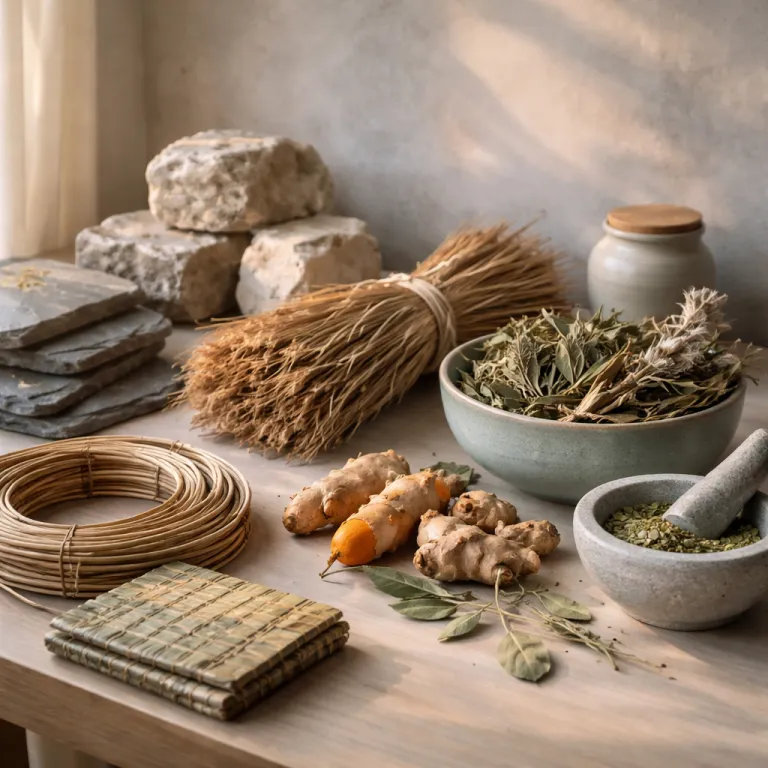
Why philippines cultural experiences luxury begins far from the usual islands
Luxury in the Philippines is shifting from thread counts to context. For independent travellers, the most meaningful cultural experiences now happen where the Wi-Fi weakens and the stories of an island grow stronger. Choosing one destination for several days rather than three islands in five days changes everything.
Slow luxury travel in the Philippines means trading a quick stop in Boracay for a week in Batanes or Siquijor, where local culture still shapes daily life and every stay feels like a private masterclass in resilience, ritual and natural beauty. This style of travel Philippines itinerary respects both the dry season rhythms and the wet season moods, letting you read the sky like a guide rather than chase the next airport transfer. When you visit the Philippines with this mindset, you start to see that the best experiences are often the quietest ones.
For solo explorers, high-end stays are less about a marble lobby and more about a host who can arrange a private walk through rice terraces at sunrise or an evening with traditional healers under a full moon. These are the top moments that never make it into a standard international travel guide, yet they define true luxury travel in Southeast Asia. To read the Philippines through its people instead of only its sand beaches is to understand why this archipelago rivals Vietnam or Sri Lanka for depth of culture.
Batanes and the Ivatan stone houses: luxury in a storm carved landscape
Fly north to Basco in Batanes and the plane feels like it is landing on the edge of the world. Here, philippines cultural experiences luxury are written in thick limestone walls, built by the Ivatans to face frequent typhoons each year without flinching. These Ivatan stone houses, capped with cogon grass, are the original storm proof villas of the Philippines.
Staying in a restored Ivatan home or a low rise luxury Philippines guesthouse that borrows the same architecture is a lesson in how culture and climate meet. You wake to wind over dramatic cliffs instead of traffic, then spend your days walking between villages with a local guide who explains how Spanish techniques were adapted to local stone, and why farming traditions still matter more than any international trend. Rather than focusing on exact measurements, it is enough to know that these homes were built with unusually solid walls and compact layouts, turning architecture into armour against the weather.
On a clear day, the island feels almost like a private island, with rolling hills, lighthouses and views that rival the best coastal drives in Vietnam or Sri Lanka, yet without crowds. There are no resort spa towers here, only intimate properties that might arrange private tours to fishing coves, or a picnic above the cliffs where you can read Philippines history in the stone terraces and hedgerows. For many travellers who travel Philippines for culture rather than white sand alone, Batanes becomes the top destination they quietly recommend to friends.
Siquijor and the mananambals: when spiritual traditions shape luxury stays
Siquijor has long been whispered about as a mystical island, but the reality is more nuanced and far richer. The mananambals, or traditional healers, still practise herbal medicine and spiritual rituals here, and they are central to some of the most compelling philippines cultural experiences luxury can offer. Respect is non negotiable when you enter this world.
Thoughtful luxury Philippines properties on Siquijor now work with local communities to create optional cultural experiences that feel intimate rather than staged, from guided visits to healing sites to conversations about how herbs are gathered and prepared. Instead of treating this as a novelty, the best hosts introduce guests to healers through long standing relationships and clear expectations, so that a meeting becomes a profound cultural exchange, not a spectacle.
Days here can move between waterfalls, caves and quiet chapels, with private tours that focus on story rather than selfies, and evenings that end with a massage using local oils instead of a generic resort spa menu. For solo travellers who visit the Philippines seeking both adventure and reflection, Siquijor offers a rare blend of spiritual depth and coastal calm that rivals any luxury cruise through Southeast Asia. It is the kind of destination where you read your own intentions as carefully as you read the tide.
How luxury hotels turn culture into more than décor
Across the Philippines, a new generation of luxury travel properties is moving beyond framed photographs and token crafts. The most interesting hotels in this space treat philippines cultural experiences luxury as their core offering, not as a themed night once a week. You feel it from the first conversation with the staff.
In Batanes, some of the best stays are family run lodges that mirror Ivatan stone and cogon architecture, then invite guests into farming routines, fishing trips and cooking sessions that explain why resilience is the island’s true currency. On Siquijor, small high end retreats are partnering with mananambals and local guides to design private experiences that respect boundaries, from herbal walks to storytelling circles that end under a sky bright enough to read by. Elsewhere in the Philippines, from the rice terraces of the Cordilleras to the karst bays near Puerto Princesa, luxury Philippines hotels are weaving in community led tours that highlight both natural beauty and living culture.
Even in more established destinations like Boracay, where white sand and coral reef shallows have long defined the marketing, a few properties now offer island hopping routes that include lesser known villages and reef restoration projects. If you are drawn to wellness, consider pairing these cultural stays with a night or two at one of the country’s top spa retreats, using a trusted travel guide such as a curated overview of the best luxury spa hotels in the Philippines for ultimate relaxation on myphilippinesstay.com. The pattern is clear : the most rewarding travel Philippines itineraries now blend comfort, context and community, rather than chasing only the next infinity pool.
Designing a slow cultural itinerary: one island, many layers
To get the most from philippines cultural experiences luxury, slow down your map. Instead of plotting a loop from Boracay to Puerto Princesa to another island in a handful of days, choose one or two destinations and give them time. A week in Batanes or Siquijor will reveal more than a month of rushed island hopping.
For Batanes, plan your travel Philippines route via Manila or Clark, then connect on a small plane to Basco, keeping an eye on the typhoon season and favouring the more stable dry season for flights. Once there, book a stay in a property that works closely with Ivatans, then structure your days around walking, cycling and guided drives that trace stone houses, coastal viewpoints and small farms rather than ticking off top ten lists. Respect local customs, seek permission before photographing people and homes, and remember that your presence can support both cultural preservation and tourism growth when handled thoughtfully.
Reaching Siquijor usually means flying to Dumaguete or Cebu, then taking a ferry across clear water that hints at nearby coral reef systems and sand beaches that remain quieter than those of more famous islands. Choose a stay that can arrange private transfers, introductions to local healers and small group tours to caves and waterfalls, rather than mass excursions that feel like international package holidays. When you read Philippines travel forums, you will see more solo travellers choosing this kind of itinerary, often comparing the depth they find here favourably with trips they once took to Vietnam or Sri Lanka.
Practical luxury: when to go, how to book and what to expect
Timing shapes every aspect of philippines cultural experiences luxury, especially in weather exposed places like Batanes. The dry season generally offers calmer seas and more reliable flights, which matters when your destination is a small island with limited connections. In Siquijor, the same season brings clearer water for swimming and better conditions for boat transfers.
When you plan luxury travel in the Philippines, think in terms of access and intimacy rather than only room categories, and read each hotel’s approach to culture as carefully as you read its amenity list. A property that invests in local guides, community partnerships and heritage sensitive design will usually deliver a richer stay than a larger resort spa that focuses only on international standards. For some travellers, a simple stone walled guesthouse in Batanes or a coastal retreat near a coral reef in Siquijor will feel more like luxury Philippines than any high rise tower in a busier city.
As you compare options, remember that the Philippines sits in the same Southeast Asia conversation as Vietnam and Sri Lanka, yet its archipelago layout means logistics matter more, from ferry schedules to small plane baggage limits. Use a detailed travel guide or a specialist platform like myphilippinesstay.com to read between the lines of marketing language and identify the best properties for cultural immersion, whether you are drawn to rice terraces, white sand coves or private island style seclusion. In the end, the most memorable travel Philippines stories rarely come from a luxury cruise or a crowded beach, but from the quiet moment when a host shares a family recipe or a healer explains the plants growing just beyond your veranda.
FAQ: cultural luxury stays in Batanes and Siquijor
What are Ivatan stone houses and can I stay in one?
Ivatan stone houses are traditional homes in Batanes built from thick limestone walls and cogon grass roofs to withstand strong winds and seasonal storms. Some have been restored as guesthouses or carefully designed lodgings that echo the style, allowing travellers to experience this architecture respectfully. When you book, look for properties that work directly with Ivatan families and follow local preservation guidelines.
Who are the mananambals in Siquijor and how can I meet them?
The mananambals are traditional healers in Siquijor practising folk medicine that combines herbal knowledge and spiritual rituals. Encounters should always be arranged through trusted local guides or hotels that have established relationships and understand community expectations. This ensures that visits remain respectful, safe and aligned with how healers wish to share their practice.
How can I experience these cultures during my trip?
The most meaningful way is to spend several days in each destination, staying with properties that prioritise community partnerships and cultural programming. Join small scale tours led by local guides, participate in cooking or farming activities and attend festivals or rituals only when visitors are welcome. Simple habits such as asking before taking photos and learning basic phrases also deepen your connection.
When is the best time to visit Batanes and Siquijor for cultural stays?
The more settled dry season usually offers the best balance of reliable transport and comfortable weather, especially in Batanes where strong winds and waves can disrupt flights and ferries. Cultural life continues year round, but calmer conditions make it easier to reach remote villages, coastal viewpoints and healing sites. Always check local forecasts and allow buffer days in your itinerary for weather related changes.
Are these destinations suitable for solo travellers seeking luxury?
Batanes and Siquijor are both well suited to solo travellers who value privacy, depth and personalised service over nightlife. Many high end guesthouses and small hotels can arrange private transfers, tailored tours and flexible schedules that match a solo pace. For those who define luxury as space, silence and genuine cultural connection, these islands often become the highlight of a Philippines journey.
References
Philippines Department of Tourism; National Commission for Culture and the Arts (Philippines); UNESCO World Heritage Centre.