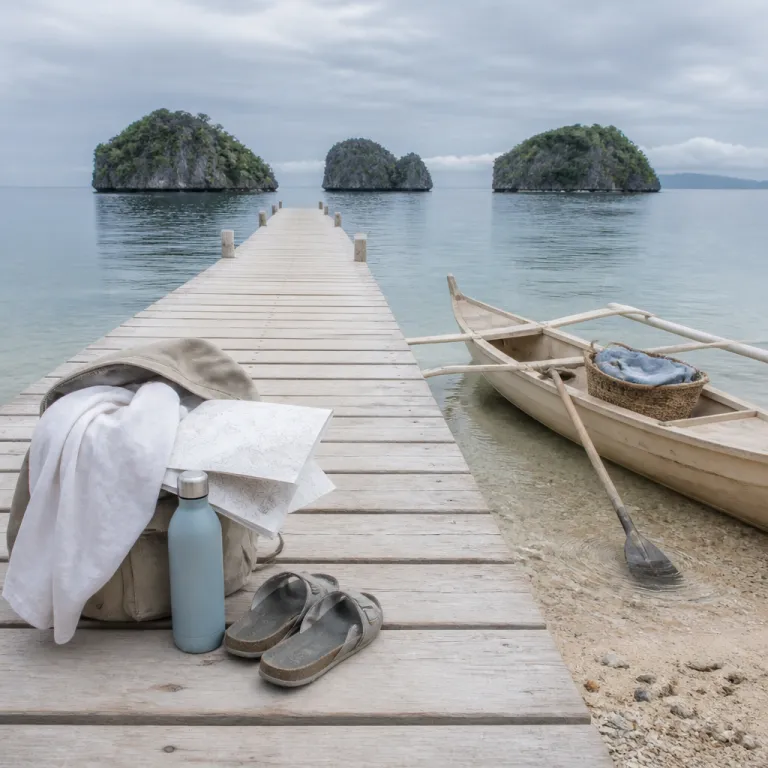
Why the Visayas are made for slow travel in the Philippines
The Visayas sit at the heart of the Philippines, a central cluster of islands that reward travelers who move slowly. With more than 7,600 islands nationwide and, according to the Department of Tourism, over five million tourist arrivals in the Central Visayas region in 2023, the area has the scale and energy of a small country, yet the rhythm of a fishing village. This slow travel Philippines Visayas itinerary leans into that contrast, trading frantic island hopping for three unhurried weeks on three characterful islands.
Slow travel means staying long enough in one place to recognize the same tricycle driver, to know which beach is quietest at low tide, and to time your market visit for the freshest catch of the day. One widely used definition frames it as travel that focuses on deeper connections with local cultures and environments rather than ticking off attractions. This three week Philippines itinerary uses that lens to shape where you stay, how you move between islands, and which experiences you choose to repeat over several days.
For luxury and premium travelers, the Visayas offer a different kind of comfort, where the best moments are not always tied to thread counts. You might spend one day in Cebu City at a polished urban hotel, then shift to a coastal resort where the real luxury is a quiet sunrise before a dive. This approach to Philippines travel values time over tallying sights, and it turns each island stay into a relationship rather than a checklist.
Week one: Cebu and the art of arriving slowly
Start your slow travel Philippines Visayas itinerary in Manila or Cebu City, depending on your international flight, but resist the urge to rush straight to a beach. A single night in a well run city hotel lets you adjust to the time zone, sample local food, and organize ferry tickets for the coming days. For many travelers, Cebu City is the better arrival place, with a manageable scale, strong restaurant scene, and easy access to both island hopping and onward ferries.
In Cebu, choose a premium hotel in the city for your first day in the Philippines, then shift to a coastal stay once you have your bearings. Mactan Island offers polished resorts with private beach fronts, ideal for a gentle first swim and a sunset drink after a long trip. If you prefer a more low key setting, head south along Cebu Island to towns like Moalboal, where you can dive with sardine runs or simply spend days watching the light change over the Visayas sea.
Use this first week to understand how the Philippines moves, from jeepneys and taxis in the city to ferries that link islands in a few hours. Flying between Visayas islands often looks faster on paper, but the two hour ferry from Cebu to Negros or Bohol is usually the most time efficient and least stressful option. For an insider look at why the bangka ride can be as memorable as the resort, read this piece on slow island hopping with boatmen who know every reef.
Side trips and when to say no
Cebu Bohol combinations are popular in many a fast paced Philippines itinerary, but slow travel asks you to be selective. You will hear about Malapascua Island and its famous thresher sharks, as well as day trips to Kawasan Falls and other Instagram favorites. Ask yourself whether adding another island or long transfer will enrich your stay or simply eat into your quiet days by the beach.
If you are a committed diver, Malapascua Island can justify two or three extra days at the start or end of your Cebu week, especially for early morning dives with thresher sharks. For most travelers, though, focusing on one coast of Cebu Island and planning a future trip back to the Philippines is the more restful choice. This is where luxury means having the time to repeat a favorite dive site or restaurant, rather than chasing every possible day tour in the Visayas.
Use your Cebu stay to refine practical travel tips for the rest of your trip, such as how early to arrive for ferries, how to store luggage on smaller boats, and which local SIM card offers the best coverage. As a rule of thumb, aim to be at the pier at least one hour before departure, keep valuables in a small daypack you can carry on board, and choose a major provider like Globe or Smart for more reliable signal. A thoughtful start in Cebu City sets the tone for the rest of your slow travel Philippines Visayas itinerary.
Week two: Negros Oriental and Apo Island, where the sea slows you down
From Cebu, take a ferry to Dumaguete on Negros Island, a university city that feels more like a large town than a metropolis. This is your base for a week that blends coastal luxury, local markets, and some of the best scuba diving in the Philippines. Dumaguete’s seafront promenade, morning coffee culture, and easy access to Apo Island make it a cornerstone of any thoughtful itinerary Philippines wide.
Choose a premium resort along the Dauin coast, just south of the city, where many properties sit directly on the beach with views toward Apo Island. Here, luxury is measured in how many steps separate your room from the dive center and how quietly the staff refill your water glass while you read between dives. Several high end resorts in this area specialize in scuba diving and underwater photography, yet they remain relaxed enough for non divers who simply want a calm stay by the sea.
Plan at least two full days for Apo Island, either as repeated day trips or with one overnight stay in simple local accommodation. The marine sanctuary around Apo Island is widely considered one of the best places in the Philippines for accessible coral gardens and turtle encounters. By returning to the same island and the same reef, you start to notice subtle changes in light, current, and marine life that a single day Philippines style excursion would miss.
Markets, mountains, and the pleasure of routine
Slow travel in the Visayas is not only about the beach, and Negros Oriental proves it with its volcanic interior. From Dumaguete, head up to Valencia for cooler air, forest trails, and waterfalls that feel a world away from the city, yet sit less than an hour’s travel time from your hotel. Spend one day exploring the mountain area, then return later in the week to a favorite café or hot spring, turning a one off visit into part of your personal Philippines travel rhythm.
Time your stay to include a Wednesday at Malatapay market, a coastal gathering where farmers, fishermen, and traders from nearby islands converge. Arrive early in the day, before the heat and crowds peak, and follow your nose toward the lechon stalls and fresh seafood grills. This is where the principles of slow travel meet the reality of local economies, as your pesos support small producers rather than anonymous chains in a distant city.
By the end of week two, you will likely know the staff at your resort by name and have a mental map of Dumaguete’s streets without checking a travel guide. This familiarity is the quiet luxury at the heart of a slow travel Philippines Visayas itinerary, and it prepares you for the final week on island Bohol. For more context on why one island per week works so well, see this argument for slowing down your Philippines holiday, which applies just as much to solo travelers.
Week three: Bohol beyond the Chocolate Hills selfie
Your third week shifts to Bohol, an island that often appears in quick Cebu Bohol packages but deserves its own unhurried chapter. Take a ferry from Dumaguete or Cebu to Tagbilaran City, then transfer to your chosen base on Panglao or in the countryside. This final stretch of your slow travel Philippines Visayas itinerary balances gentle adventure with long, empty afternoons.
Most travelers head straight for the beach on Panglao Island, where premium resorts line stretches of white sand and offer easy access to dive sites. If you plan to dive, give yourself several days to explore different sites, from walls and reefs to macro rich slopes that reward patient eyes. Non divers can spend their days walking the beach, sampling local restaurants, or taking short boat trips that feel more like leisurely island hopping than rushed excursions.
Set aside at least one full day for the inland highlights, but approach them with a slow travel mindset. The Chocolate Hills are iconic, yet the best time to visit is early in the morning or late in the afternoon, when tour buses thin and the light softens. Combine the hills with a quiet stretch of the Loboc River, a tarsier sanctuary visit that respects animal welfare, and perhaps a short bike ride through rice terraces and small villages.
Anda, cave pools, and the joy of staying put
If your Philippines itinerary allows, consider splitting your Bohol stay between Panglao and Anda, a more remote coastal town on the island’s eastern side. Anda offers a different kind of beach experience, with fewer crowds, limestone cliffs, and cave pools that invite a cool dip after a hot day. Premium accommodation options here are more limited than in Panglao, but that scarcity is part of the appeal for travelers who value space and quiet.
Use Anda or rural Bohol as a place to do very little, which is often the hardest part of any trip. Read on your terrace, walk the same stretch of beach at different times of day, and accept that not every moment needs a scheduled activity. This is where slow travel in the Philippines becomes less about a checklist of islands and more about how you feel in one place over several days.
By the end of week three, you will have built a relationship with three distinct Visayas islands without resort hopping every night. You will know which café in Tagbilaran City makes your preferred breakfast, which dive site near Panglao suits your comfort level, and which quiet corner of the beach feels like yours. That familiarity is the lasting souvenir of a slow travel Philippines Visayas itinerary, and it will shape how you plan every future trip to the Philippines.
Logistics, ferries, and when to choose luxury over location
A slow travel Philippines Visayas itinerary lives or dies on its logistics, and the good news is that the region is well connected. Ferries such as OceanJet and FastCat link Cebu, Bohol, and Negros in a few hours, often making more sense than short flights once you factor in airport transfers and waiting time. For most routes, the best time to travel is in the morning, when seas are calmer and schedules more reliable.
When planning your Philippines travel, think in terms of travel days rather than isolated journeys. A ferry from Cebu to Dumaguete or Tagbilaran might only take two to three hours, but door to door with hotel check out and transfers, it becomes a half day commitment. Build that into your itinerary Philippines wide, and avoid booking activities or dives too close to arrival times on a new island.
Luggage is another quiet luxury consideration, especially if you plan to move between several islands in the Visayas. Pack light enough to carry your own bag comfortably on and off ferries, yet bring essentials such as a dry bag, reef safe sunscreen, and a light jacket for over air conditioned cabins. These small travel tips make each transfer smoother and leave you with more energy to enjoy the beach or city once you arrive.
Choosing where to splurge and where to keep it simple
For many travelers using a premium hotel booking website for the Philippines, the question is not whether to book luxury, but when. A smart pattern is to reserve your highest end stays for the first and middle parts of the trip, such as a polished hotel in Cebu City on arrival and a full service dive resort near Apo Island. These properties help you reset after long travel days and offer reliable comfort when your body is still adjusting to the climate and time zone.
In between, consider family run guesthouses or smaller hotels in places like Dumaguete or rural Bohol, where the welcome can feel warmer and the location more integrated into daily life. The luxury here is proximity to local markets, the chance to chat with your hosts about their favorite island hopping routes, and the freedom to walk to dinner instead of arranging a car. This mix of stays keeps your Philippines itinerary both characterful and financially sustainable over three weeks.
If you are curious about new openings or want to align your dates with fresh properties, consult curated round ups of notable hotel launches across the Philippines. Use these as inspiration, but always cross check location, access to ferries, and how each hotel fits into your broader Visayas route. The goal is not to chase every new address, but to choose a few that genuinely enhance your slow travel experience.
Budget, safety, and practical travel tips for three slow weeks
Planning a three week slow travel Philippines Visayas itinerary as a solo explorer means balancing comfort, cost, and flexibility. A mid range to luxury budget typically allows for a mix of high end resorts, quality city hotels, and well run guesthouses across Cebu, Negros, and Bohol. Daily costs vary by island and season, but staying longer in each place often unlocks better rates and more meaningful relationships with your hosts.
Packing for multi island travel in the Philippines is an exercise in restraint and realism. Focus on breathable clothing, a light rain layer, reef safe sunscreen, and footwear that works for both city pavements and beach paths. Add a compact dry bag for boat transfers, a reusable water bottle, and a small medical kit, especially if you plan to dive or visit more remote corners of the Visayas.
Connectivity across the islands is generally reliable in cities and major beach areas, with patchier coverage on smaller islands or during boat crossings. Local SIM cards from major providers offer good value for data, which helps with navigation, translation apps, and staying in touch with accommodation hosts. Remember that some of the best moments on this trip will happen when you put the phone away and simply watch the day unfold over the sea.
Health, safety, and respecting local rhythms
Health and safety on a slow travel route through the Visayas are largely about common sense and respect. Drink plenty of water, be cautious with sun exposure, and choose reputable operators for scuba diving, island hopping, and other water based activities. When in doubt, ask your hotel or guesthouse for recommendations, as they often know which local guides and boatmen are both skilled and community minded.
Respecting local customs is central to the ethos of slow travel in the Philippines. Learn a few basic phrases in Filipino or the local Visayan language, dress modestly away from the beach, and ask before photographing people or private spaces. These gestures may seem small, but they signal that you are not just passing through the islands, you are choosing to stay and engage.
Finally, remember that the Philippines rewards patience, especially in the Visayas where ferries, weather, and fiestas can all reshape your plans. Build slack into your days, accept that some changes are part of the story, and trust that staying longer in each place will reveal experiences no fast moving itinerary could match. That is the quiet, enduring luxury at the heart of this three weeks, three islands, zero resort hopping journey.
FAQ
What is slow travel and why does it suit the Visayas?
Slow travel is an approach that prioritizes deeper connections with local cultures and environments over rushing between sights. The Visayas region of the Philippines suits this style because its islands are compact, well connected by ferries, and rich in everyday life, from markets to neighborhood eateries. Staying a week on each island lets you experience that rhythm instead of just skimming the highlights.
How do I travel between Cebu, Negros, and Bohol?
The most practical way to move between these Visayas islands is by fast ferry, with routes linking Cebu City to Dumaguete on Negros and to Tagbilaran City on Bohol. Travel time is usually between two and three hours per crossing, plus transfers to and from your hotels. Local flights exist, but they often take longer door to door once you include airport procedures.
Is three weeks enough for a slow itinerary in the Philippines?
Three weeks is an ideal duration for a focused slow travel route through the Visayas, allowing roughly one week each on Cebu, Negros, and Bohol. This gives you time to settle into each place, repeat favorite activities, and rest between travel days. You can add extra islands like Siquijor or Malapascua if you have more time, but the core three week structure already feels generous.
What budget should I plan for a mid range to luxury stay?
A mid range to luxury budget in the Visayas typically covers comfortable hotels or resorts, daily meals at quality restaurants, and activities such as scuba diving or guided tours. Costs vary by island and property, but staying longer in each place can help you negotiate better rates or benefit from weekly discounts. Booking a mix of high end and family run stays often delivers the best balance of comfort and authenticity.
Is it safe to travel solo on these Visayas islands?
Solo travel on Cebu, Negros, and Bohol is generally considered safe when you follow standard precautions such as watching your belongings and avoiding poorly lit areas at night. The local culture is welcoming, and accommodation hosts and guides are used to assisting independent travelers. As with any trip, choosing reputable operators and listening to local advice will further enhance your safety and comfort.