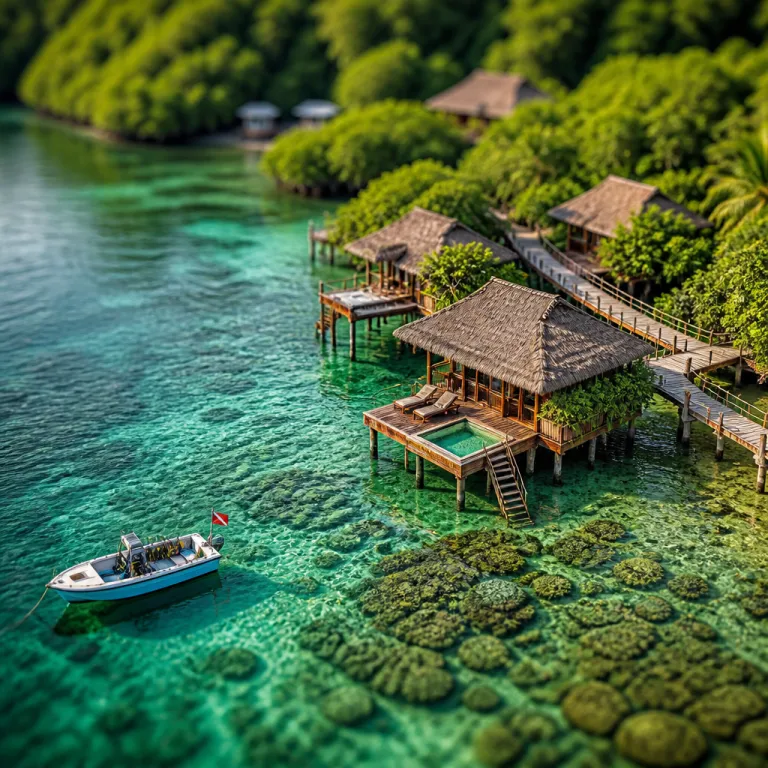
Choosing a true luxury dive resort in the Philippines
The phrase luxury dive resort in the Philippines is thrown around easily. Yet for serious divers who also care about thread counts and cellar lists, only a limited number of properties genuinely balance five star comfort with world class diving. The art is choosing a resort where the reef feels like an extension of the lobby, not an outsourced activity.
Start by asking how the resort treats diving within its operations, because a property that runs its own island dive center with full time guides, nitrox and a proper gear room will serve committed divers far better than a generic beach resort that simply books day trips. Look for resorts in the Philippines where the general manager can talk you through house reef currents as fluently as they discuss wine pairings, and where the dive schedule is integrated with spa appointments and sunset cocktails rather than bolted on. When a resort spa, restaurant and dive team are aligned, your surface intervals feel as curated as your deepest dives.
As a quick checklist, ask about:
- Guide to diver ratios (many upscale operations aim for small groups)
- On site compressors, nitrox and well ventilated gear storage
- Dedicated camera benches, rinse tanks and charging areas
- Covered speedboats or large bangkas with ladders and shade
- Realistic daily dive counts and how often they run night dives
- Limits on boat capacity and options for private guiding or charters
- How dive times coordinate with restaurant hours and spa bookings
These details reveal whether diving is central to the resort’s identity or simply another excursion on a long activity list.
Atmosphere Resorts & Spa in Dauin, near Dumaguete, is often cited by experienced travelers as a benchmark for what a modern luxury dive property can be in the Philippines. Here, the luxury dive experience begins with spacious rooms and villas set in tropical gardens, continues with a serious camera room for underwater photographers and ends with a bar that understands both post dive hydration and proper Negronis. This is not the private island rate, but it is the kind of resort where divers can roll from breakfast to class diving sessions, then into a poolside massage without ever feeling rushed.
Across the archipelago, the best dive resorts share a few traits that matter to discerning divers. They offer multiple dive sites within a short boat ride, maintain their own fleet rather than relying solely on ad hoc bangkas and keep guest numbers low enough that muck diving, reef walls and beach dive entries never feel crowded. When you read that a property is one of the best resorts Philippines has for diving, ask how many dives per day are realistic, how they handle night dives and whether non diving partners will be as happy by the pool as you are underwater.
Negros Oriental and Dauin: Atmosphere Resorts & Spa and the macro coast
On Negros Oriental’s south east coast, Dauin has quietly become known as a macro capital of diving Philippines, and Atmosphere Resorts & Spa sits at the center of that story. The resort’s black sand shoreline hides some of the best muck diving in the country, with frogfish, flamboyant cuttlefish and ghost pipefish all within easy reach of the beach. For divers who want a luxury dive base with serious marine credentials, this stretch of coast near Dumaguete is hard to beat.
Atmosphere resort pairs its reef access with polished hospitality, offering large rooms and suites, a sculpted pool and a restaurant that understands how to fuel full dive days without sacrificing finesse. With a limited number of keys spread across suites, apartments and villas, it feels intimate rather than crowded, and typical dive groups are kept deliberately small. The resort spa is a destination in itself, with treatments timed around the dive schedule so you can move from morning island dive excursions to afternoon massages without missing a sunset.
Many guests split their time between the house reef, nearby Apo Island’s marine sanctuary and day trips to other dive sites along the coast, creating a rhythm that feels both indulgent and purposeful. Apo Island, reached by a short boat ride from the resort, delivers classic Philippines reef diving with steep walls, turtles and schools of jacks swirling in the blue. Back at the resort, the beachfront bar offers a relaxed view over the Bohol Sea, and it is here that divers trade stories about the day’s scuba diving and plan the next morning’s class diving or photography sessions.
For non divers, the beach houses, yoga pavilion and family friendly pools mean this is more than a pure dive resort, making it a strong choice if you are balancing different interests in one trip. If you are building a wider Visayas itinerary, pairing Dauin with refined island stays in Bohol works beautifully. For a sense of how that feels on land, look at this guide to Bohol resorts for refined island stays in the heart of the Visayas, then layer in your preferred mix of dive resorts and beach resort properties. The combination of Dauin’s muck diving, Apo Island’s reefs and Bohol’s softer island view gives you three distinct flavors of the central Philippines in one journey. For many divers, this is where the idea of the reef as the resort truly starts to make sense.
Puerto Galera, island channels and the Atlantis style of service
On Mindoro’s northern tip, Puerto Galera has long been a gateway to some of the most varied dive sites in the Philippines. The bay system here funnels currents through narrow channels, creating conditions that range from gentle reef drifts to high energy walls where pelagics occasionally cruise past. For divers who want a luxury dive resort Philippines option within roughly half a day of Manila, Puerto Galera remains one of the best bets.
Properties such as Atlantis in Puerto Galera have built their reputation on combining serious diving infrastructure with a relaxed island atmosphere, and that balance matters when you are doing three or four dives a day. With a compact cluster of rooms and suites wrapped around gardens and a pool, Atlantis keeps things close knit, and its dive operation typically runs small groups of four to six divers per guide. An Atlantis dive schedule usually covers everything from easy house reef check dives to more advanced channel runs, with nitrox, gear storage and camera facilities that feel designed by divers for divers.
Around the edges, the resort’s pool, shaded bar and comfortable rooms turn surface intervals into something you actively look forward to rather than simply endure. The wider Puerto Galera area offers a mix of beach resort and dive resort experiences, from quiet coves with simple beach houses to more developed stretches with nightlife and multiple resorts. When you evaluate any resort Puerto Galera option, ask how close it sits to the main dive sites, whether beach dive entries are possible and how they manage boat traffic in busy bays.
A good luxury dive property here will stagger departures, limit group sizes and work closely with local guides who know every island contour and current line. For travelers who like to balance reef time with spa days, it can be worth pairing Puerto Galera with a more overtly wellness focused resort spa elsewhere in the archipelago. One elegant option is to spend your dive heavy days in Mindoro, then move to an island escape such as the one described in this review of an elegant island escape at a Panglao nature resort and spa. The contrast between channel diving in Puerto Galera and lagoon calm in Bohol underlines just how varied a single Philippines itinerary can be.
Palawan, Sangat Island and the rise of marine focused luxury
Palawan’s reputation usually leans toward limestone cliffs and lagoons, yet for divers who value wrecks and reefs as much as scenery, this province also hosts some of the most characterful dive resorts Philippines can offer. Around Coron Bay, Sangat Island has become synonymous with wreck diving, with several Japanese World War II wrecks lying within a short boat ride of the shore. Staying on or near Sangat Island means you wake up already inside the dive sites, turning the sea itself into your resort grounds.
Here, the luxury is less about marble lobbies and more about proximity, with island dive operations that can time your entry to avoid crowds and shifting visibility. Many of the resorts in this area offer simple but comfortable rooms, a central beachfront bar and a pool or natural hot spring where you can soak between dives, creating a rhythm that feels both adventurous and restorative. For divers who prefer a more polished resort spa experience, pairing a few wreck focused nights near Sangat Island with a higher end Palawan beach resort elsewhere in the province can work beautifully.
Across Palawan, you will also find properties that market themselves as luxury dive resorts without always having the infrastructure to match, so ask detailed questions before you book. How many dives per day are realistic from the resort, and are there genuine beach dive options or only long boat rides to distant reefs. Does the resort maintain its own dive boats and compressor, or does it rely on third party operators whose standards you cannot easily verify.
For travelers who want to keep things family friendly while still prioritizing reef access, it can be smart to combine Palawan with destinations that have proven track records for multi generational stays. This is where resources like the guide to family friendly luxury hotels in Boracay become useful, helping you balance child friendly pools and kids’ clubs with adult focused diving. When you stitch together Sangat Island wrecks, Palawan lagoons and a softer beach resort elsewhere, the result is a luxury dive itinerary that feels both ambitious and surprisingly relaxed.
Moalboal, Magic Oceans and structuring a high end dive itinerary
On Cebu’s southwest coast, Moalboal has earned its place on the diving Philippines map thanks to the sardine run that swirls just off Panagsama’s shore. The experience of stepping from a low key beach resort into a wall of sardines on a simple beach dive is one of the archipelago’s great underwater thrills. For luxury travelers, the question is how to enjoy that spectacle while still returning to a pool, a quiet bar and rooms that feel like a retreat.
Several properties in and around Moalboal now aim at the higher end of the market, offering comfortable rooms, curated menus and well run dive operations that can handle both casual divers and photographers. Slightly further afield, Magic Oceans on Bohol’s Anda peninsula has built a reputation as a serious luxury dive base, with easy access to both reef and muck diving plus a relaxed island view from its clifftop pool. With a small collection of bungalows and a compact dive center running two to three boats, it feels personal, and small groups mean photographers are not rushed.
Combining Moalboal’s sardine run with a stay at Magic Oceans gives you two very different expressions of a luxury dive resort Philippines itinerary without excessive travel time. When structuring a trip that includes Moalboal, Magic Oceans and perhaps a return to Atmosphere resort or Atlantis, think in terms of dive intensity and recovery days. Plan your deepest or most demanding dives early in each location, then taper into gentler island dive sessions, snorkeling or pure pool time as you approach departure flights.
Remember that outriggers and speedboats can be chartered for private trips between islands, with day rates that range from a few hundred to several thousand dollars depending on whether you choose a simple bangka, a sailing catamaran or a full luxury yacht. Across all these destinations, the same principles apply if you want your reef to feel like part of the resort rather than a separate excursion. Prioritize properties where the dive center is integrated into the heart of the resort, where guides know your preferences by the second day and where the bar staff understand that divers may want early breakfasts and early nights. In such places, luxury dive travel in the Philippines stops being a compromise between comfort and current, and becomes a single, seamless experience.
Practicalities, certifications and what luxury divers should ask before booking
Before you lock in any luxury dive resort in the Philippines, align your expectations with the realities of the sea. Tourism authorities and industry groups note that there are now dozens of luxury focused dive resorts in the country, and they collectively welcome large numbers of international dive tourists each year. That demand means you should book early for peak seasons and be clear about your diving goals from the outset.
Resorts and tourism authorities consistently emphasize a few fundamentals for safe, enjoyable diving. “Book in advance during peak seasons. Check weather conditions before planning. Ensure diving certifications are up-to-date.” Those three sentences may sound basic, yet in practice they separate relaxed, well structured dive holidays from rushed, compromised ones.
If you are planning advanced scuba diving, technical dives or intensive muck diving photography, confirm that the resort can support your needs with appropriate gases, guides and boat configurations. Ask whether they offer small group class diving refreshers for rusty skills, and how they schedule dives around surface interval requirements when guests are eager to maximize their time underwater. A serious luxury dive property will answer these questions confidently and may even suggest rest days or lighter island dive excursions to keep your nitrogen loading conservative.
Finally, look at how each resort engages with marine conservation, because true luxury in a place like the Philippines now includes a responsibility to the reefs. Many of the best dive resorts contribute to coral restoration, limit daily diver numbers on sensitive dive sites and work with local communities to ensure that reef fees support long term protection. When a resort can show you exactly where your money goes, from the compressor room to the marine sanctuary, you know you have found a place where the reef is not just scenery but part of the resort’s core identity.
FAQ
When is the best time to dive in the Philippines for luxury travelers ?
November to May offers the best diving conditions across much of the Philippines, with calmer seas and generally better visibility. Luxury dive resorts often plan their peak season operations around these months, increasing boat schedules and staffing to match demand. Shoulder months can still be excellent if you prefer quieter resorts and are flexible with weather.
Do I need a certification to dive at luxury resorts in the Philippines ?
Yes, a valid diving certification is required for all certified dives at reputable luxury properties. Many resorts offer entry level courses through agencies such as PADI or SSI, allowing beginners to earn certification under close supervision. If you are already certified, bring your card and logbook so the dive team can tailor sites to your experience.
Are there beginner friendly dive sites near high end resorts ?
Yes, many luxury dive resorts in the Philippines have access to sheltered reefs and gentle slopes ideal for beginners. Places like Dauin, Puerto Galera and parts of Bohol offer calm conditions, easy entries and shallow coral gardens that work well for first dives. Resorts will usually start new divers on these sites before progressing to walls, channels or muck diving.
How far in advance should I book a luxury dive resort in the Philippines ?
For peak season dates, booking three to six months ahead is sensible, especially at smaller high end properties with limited rooms. Liveaboards serving areas such as Tubbataha Reefs Natural Park often require even more lead time because of short operating windows and strict permits. Last minute availability does appear occasionally, but serious divers should not rely on it.
What should I look for in a luxury dive resort’s facilities ?
Focus on the quality of the dive center, including gear storage, compressors, nitrox availability and boat fleet, as well as the comfort of rooms, pool areas and dining spaces. A good luxury dive resort will integrate the dive schedule with spa services, restaurant hours and bar operations so your day flows smoothly. Ask about maximum group sizes, guide ratios and how they manage popular dive sites to avoid crowding.