Why heritage hotels in the Philippines feel like living museums
Heritage hotels in the Philippines offer more than a comfortable room and polished service. They place guests inside carefully restored ancestral houses and historic estates where every corridor, stair, and window tells a story that predates any modern hotel in Manila. A heritage hotel stay becomes a way to sleep inside Filipino history while still enjoying air conditioning, strong internet access, and thoughtful room amenities.
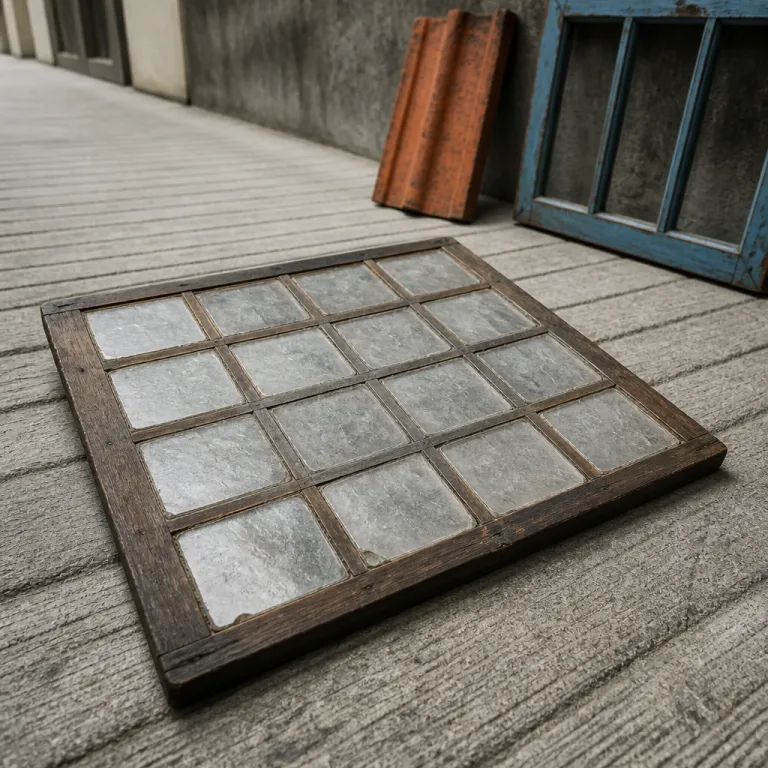
Across the archipelago, roughly 15 heritage hotels operate as guardians of architecture and memory, from Ilocos mansions to lakeside icons in Tagaytay. These properties follow a clear philosophy of restoration and adaptive reuse, where original hardwood floors, capiz shell windows, and azulejo tiles are preserved while plumbing, climate control, and room safe systems are discreetly upgraded. When you check into these hotels, you are entering a curated narrative of Spanish, American, and Filipino influences that shaped each property and its surrounding community.
Heritage tourism in the Philippines has grown steadily as travelers seek cultural depth alongside island scenery and good food. The Department of Tourism’s cultural initiatives encourage stays in historic properties, because they conserve structures, boost local economies, and educate visitors. As one official explanation puts it with clarity and purpose, “A hotel housed in a historic building, preserving its original architecture.”
Manila heritage icons: from the bayfront grande dame to the walled city
Any serious journey into heritage hotels in the Philippines should start with Manila heritage landmarks that have hosted statesmen, artists, and quiet honeymooners for generations. The Manila Hotel, often simply called the hotel Manila by locals, stands along Manila Bay as the city’s oldest grand property and remains a benchmark for service and ceremony. Its rooms combine dark narra wood, period chandeliers, and modern room amenities such as fast internet access, in room safe units, and generous work desks for guests who blend business with leisure.
Inside this heritage hotel, the front desk operates as a concierge for the city’s layered past, arranging car rental with a service car and curated tours of Intramuros, Binondo, and the Cultural Center complex. You can request room service for merienda while watching the sunset, then head down to the swimming pool framed by palm trees and bay views. Policies are clearly explained at check in, from late check options to currency exchange at the hour front desk, and the staff provide hand sanitizer and contactless payment to keep the stay both elegant and reassuringly safe.
Within the old walled city, smaller heritage properties reinterpret Manila’s colonial core with thick stone walls, ventanillas, and courtyards that feel far from the traffic outside. These hotels usually have limited rooms, so it is wise to book early, especially during long weekends and the dry season. For couples timing a city break around local holidays, planning with a guide to avoid peak season regret in the Philippines helps secure the best room categories and more flexible stay policies.
Beyond Vigan’s cobblestones: Ilocos haciendas, Silay mansions, and Taal homes
Vigan’s UNESCO listed streets often headline conversations about heritage hotels in the Philippines, but the story runs far beyond those cobblestones. In Ilocos, ancestral haciendas and stone houses have been converted into intimate hotels where guests sleep beneath carved wooden ceilings and wake to the smell of longganisa and garlic rice. Each property balances heritage preservation with additional comforts such as air conditioned rooms, reliable internet access, and service daily from a small but attentive front desk team.
Silay City in Negros Occidental, once called the Paris of Negros, offers another layer of manila heritage era elegance through its sugar baron mansions. Some of these homes now operate as heritage hotel style stays, with wide verandas, original piano rooms, and curated art collections. Couples can check in for a slow stay, arrange a service car or car rental to explore nearby haciendas, and return for room service featuring heirloom recipes that connect each meal to the property’s past.
South of Manila, Taal in Batangas remains one of Asia’s best preserved colonial towns, where heritage homes line narrow streets leading toward the basilica. Several of these houses now welcome guests, offering just a handful of rooms each, so privacy comes naturally. For travelers who prefer to linger rather than hop nightly between destinations, the philosophy behind a one island, one week style of slow travel works beautifully in Taal, Silay, and Ilocos, where every extra night deepens your relationship with the community.
Las Casas Filipinas de Acuzar and lakeside legends like Taal Vista Hotel
On the Bataan peninsula, Las Casas Filipinas de Acuzar stands as one of the most ambitious heritage hotels in the Philippines, with Spanish era houses transplanted and meticulously restored around a seaside village. Guests wander cobbled lanes between casas, each one a former family home from different regions, now reborn as a hotel room, restaurant, or gallery. The property offers guided heritage tours, a swimming pool, and a shuttle service by service car or bangka to nearby coastal spots, blending resort comforts with museum level storytelling.
Rooms at Las Casas range from compact service junior suites inside smaller casas to expansive service deluxe categories with balconies overlooking the estero or plaza. Inside, room amenities include air conditioning, room safe boxes, and generous bathrooms, while outside, the heritage architecture remains the star. Policies emphasize respect for the buildings, so guests are encouraged to check details about photography, events, and late check options with the front desk before planning proposals or private dinners.
In Tagaytay, Taal Vista Hotel offers a different expression of heritage, perched on the ridge with sweeping views of Taal Volcano and the lake. This heritage hotel combines Tudor inspired architecture with landscaped gardens, a fitness center, and a swimming pool that feels especially atmospheric in the cool highland air. Couples can arrange car rental or shuttle service from Manila, enjoy free parking on arrival, and then settle into rooms where service daily includes turndown, hand sanitizer restocking, and attentive but unobtrusive room service.
What to expect inside a heritage room: charm, quirks, and modern comforts
Staying in heritage hotels in the Philippines means embracing both charm and quirks, because these properties were never designed as standardized resorts. A heritage room might feature original narra floors that creak softly, capiz windows that filter tropical light into a gentle glow, and ventanillas that once cooled the house before air conditioning existed. Today, owners integrate modern room amenities such as strong internet access, a room safe, and efficient bathrooms while keeping the bones of the property intact.
Guests should expect some variation between rooms, even within the same category, because no two ancestral houses share identical layouts. When you contact the hotel before your stay, ask the front desk for photos and details of specific rooms, especially if you prefer a bathtub, step free access, or a quieter wing away from the street. It is also wise to check policies on late check out, service daily for housekeeping, and whether the hotel offers free parking, shuttle service, or a fitness center, since not every heritage property has the space for these facilities.
Health and safety have become central to the heritage hotel experience, with many properties providing hand sanitizer in public areas and offering contactless payment at the hour front desk. Some hotels in Manila and beyond now include temperature checks at entry, enhanced cleaning protocols, and flexible cancellation policies to reassure cautious travelers. When comparing options on a luxury booking website, look closely at each property’s additional services such as car rental, currency exchange, and room service hours, because these details shape how seamless your stay will feel.
How to choose and book the right heritage stay for your trip
Choosing among heritage hotels in the Philippines starts with clarifying what kind of story you want to sleep inside. Manila heritage icons like The Manila Hotel suit travelers who want grand lobbies, multiple restaurants, a full fitness center, and immediate access to cultural institutions and business districts. Smaller properties in Vigan, Taal, Silay, or Bataan appeal to couples seeking intimacy, slower rhythms, and the feeling of being temporary custodians of a family home rather than anonymous guests in a large hotel.
When browsing a curated booking platform such as myphilippinesstay.com, study each property’s photos and written details as carefully as you would a museum catalog. Look for clear descriptions of room categories, from compact service junior suites to expansive service deluxe rooms, and verify whether service daily includes breakfast, turndown, and guided tours. It is also helpful to check how the hotel handles practicalities such as shuttle service from the nearest airport, car rental partnerships, currency exchange at the front desk, and whether parking is free or charged as an additional fee.
For couples planning a multi stop itinerary that mixes heritage hotels with island resorts, balance your nights so that history rich stays bookend more remote escapes. An eco conscious retreat in Palawan, for example, pairs beautifully with a few nights in a Manila heritage property or a restored casa in Bataan, and you can research thoughtful options through this guide to eco luxury in Palawan without the jargon. Whatever combination you choose, always contact the hotel directly after booking to confirm arrival times, special requests, and any late check arrangements, because heritage properties often have smaller teams and appreciate precise communication.
Key figures behind heritage hotels in the Philippines
- The Philippines currently has around 15 recognized heritage hotels, a small but significant segment within the national hotel inventory, according to Guide to the Philippines.
- The Manila Hotel is documented as the city’s oldest major hotel, with continuous operation since the early twentieth century, based on data from The Manila Hotel’s official information.
- Taal Vista Hotel in Tagaytay is one of the country’s longest running heritage properties outside Manila, as confirmed by the Taal Vista Hotel official records.
- Heritage tourism has shown a marked rise in recent years, with increased interest in cultural experiences and adaptive reuse projects reported by Philippine tourism boards.
- Many heritage hotels operate with fewer rooms than modern resorts, often under 50 keys, which makes advance booking essential during weekends and holidays.
FAQ about heritage hotels in the Philippines
What is a heritage hotel in the Philippine context ?
A heritage hotel in the Philippines is a hotel housed in a historic building that preserves much of its original architecture while integrating modern comforts. These properties often occupy ancestral houses, colonial era mansions, or landmark structures in cities such as Manila, Vigan, and Silay. Guests experience both cultural storytelling and contemporary amenities like air conditioning, internet access, and room safe systems.
Why stay in a heritage hotel instead of a modern resort ?
Travelers choose heritage hotels to experience history and culture firsthand while still enjoying professional service. A stay in a restored casa or mansion connects guests to local stories, traditional craftsmanship, and regional cuisine in a way that new builds rarely match. For many couples, the atmosphere of creaking hardwood floors, capiz windows, and intimate courtyards feels more romantic than a standard resort corridor.
Are heritage hotels in the Philippines always expensive ?
Prices for heritage hotels in the Philippines vary widely, from modest family run inns in provincial towns to full service luxury icons in Manila. Some properties offer excellent value with breakfast, service daily, and guided tours included, while others charge premium rates for suites and special experiences. Checking inclusions, seasonal offers, and midweek rates on a trusted booking website helps align your budget with the level of service you expect.
How should I prepare before checking into a heritage property ?
Before arrival, contact the hotel to confirm your reservation details, arrival time, and any special requests such as late check out or dietary needs. Ask the front desk about parking, shuttle service, and access considerations, especially if you have mobility concerns in older buildings with stairs. It is also wise to review house policies on photography, events, and quiet hours, because many heritage hotels are located in residential neighborhoods or still function as family homes.
Do heritage hotels support local communities and conservation ?
Most heritage hotels in the Philippines contribute directly to conservation and community livelihoods by restoring historic structures and employing local staff. Many properties partner with historians and conservation experts, offer cultural tours, and showcase regional crafts and cuisine. When you stay in these hotels, your spending helps maintain the buildings, sustain traditional skills, and keep local stories alive for future generations.