From village hilomnan to filipino indigenous healing luxury spa menus
On the wellness circuit, the Philippines is finally speaking its own language. Across the archipelago, hilomnan — the umbrella term for Filipino indigenous healing traditions — is stepping into the spotlight as a refined Filipino-rooted wellness experience in high-end spas. What began as quiet rituals in wooden houses and coastal barangays now appears on polished treatment menus, yet the best properties still treat hilomnan as living culture rather than themed décor.
Hilomnan goes beyond a single massage and gathers many healing arts. Guests often know hilot as a traditional Filipino massage and body manipulation, but hilot is only one branch of a wider Filipino healing philosophy that also includes ventosa cupping, dagdagay foot therapy and energy balancing rituals. When a luxury wellness spa in the Philippines uses the term correctly, it signals a commitment to deeper healing traditions rather than a token treatment for quick relaxation.
For couples planning a romantic escape, this shift changes how you read a spa menu. A genuine Filipino-rooted healing program will frame hilomnan as a journey that prepares the body, mind and senses for longer term health rather than a one hour indulgence. Look for language about energy flow, the body’s natural balance and traditional Filipino rituals, not just generic massage offers that could be anywhere from Miami to the Maldives.
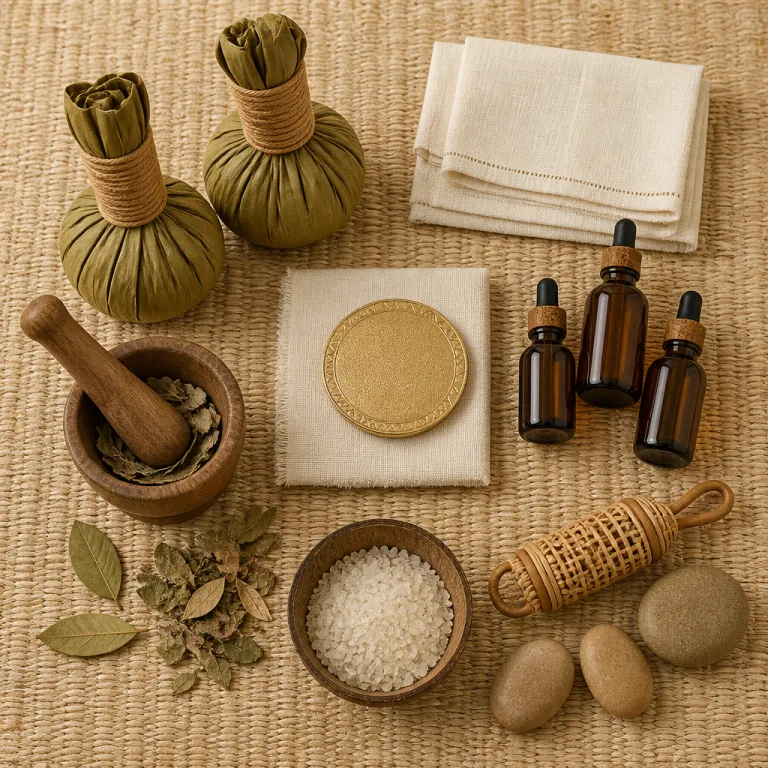
In practice, hilomnan-based spa treatments often begin with a foot bath using warm water, local salt and sometimes banana leaves to ground the body. Therapists may follow with a warm herbal compress, using lemongrass, ginger and other herbal ingredients wrapped in cloth to ease muscle tension. The goal is not only to soften skin and soothe tired legs but to signal to the body that a deeper wellness experience is about to unfold.
Couples who value authenticity should ask how therapists were trained in Filipino wellness and Filipino healing methods. Some hotels invite healers from specific provinces where certain healing traditions remain strong, ensuring that each ritual respects local customs and spiritual protocols. When a property speaks openly about its partnerships with traditional Filipino practitioners, you can trust that the healing art on offer is more than a themed add on for international guests.
Professionalizing hilomnan: WeTAP, training and cultural respect
Behind the scenes, the Wellness Tourism Association of the Philippines (WeTAP) is quietly reshaping standards. Its mission is to professionalize Filipino indigenous healing practices in luxury spa settings without stripping away the cultural context that makes hilomnan meaningful. That balance matters for couples who want both safety and soul in their wellness spa experience.
WeTAP works with local healers, cultural organizations and hotel groups to define what competent therapy looks like in a luxury setting. According to its publicly shared guidelines and training notes, core training modules typically run from 40 to 80 hours and cover anatomy, basic body health and hygiene, but they also honor spiritual dimensions such as prayer, intention setting and respect for ancestral energy. When a resort aligns with these guidelines or similar certification programs, guests can expect spa treatments that feel both clinically safe and deeply rooted in Filipino healing traditions.
For travelers, this professionalization translates into clearer expectations at check in. A property that takes hilomnan seriously will brief you on what each ritual involves, how to prepare body and mind, and any health considerations to discuss before therapy begins. You should feel invited into a healing journey, not rushed through a scripted sequence of massage strokes and herbal applications.
In Bohol and Batangas, for example, some leading hotels now designate specific rooms for hilot and related therapies. These spaces are kept quieter, with controlled lighting and minimal scent so that herbal steam, coconut oil and banana leaves can speak for themselves. The intention is to create a container where energy flow can be felt, not just talked about in marketing copy.
Couples heading to Batangas will notice this shift most clearly at properties that position the region as more than a quick weekend escape. For a deeper look at how one province is evolving into a serious wellness destination, read this insider guide to Batangas as a full week wellness retreat base. When you see references to WeTAP-aligned training and hilomnan-informed rituals in Batangas or elsewhere in the Philippines, you are looking at the future of Filipino wellness tourism.
Where hilomnan feels real: The Farm at San Benito, Nawa Wellness and beyond
Not all Filipino indigenous healing spa offerings are created equal. Some city hotels list hilot as a single line item, sandwiched between Swedish massage and hot stone therapy, with little explanation of its roots. Others build their entire wellness experience around Filipino wellness philosophy, letting hilomnan shape everything from architecture to herbal tea blends.
The Farm at San Benito in Batangas remains the benchmark for this deeper approach. Long before wellness became a marketing buzzword, it positioned itself as a medical wellness retreat where preventive health, plant based cuisine and integrative therapy sit alongside traditional Filipino healing practices. Here, hilot is not a novelty but one of several healing arts used to support detox programs, stress management and long term lifestyle change.
Couples who book multi day stays at The Farm often follow a structured healing journey. Days might begin with a gentle herbal steam to open the pores and prepare body tissues, followed by a diagnostic hilot session that reads energy flow through the muscles and joints. In the afternoon, a therapist may apply coconut oil infused with local herbal extracts to ease muscle tension and nourish the skin, closing with a quiet ritual of gratitude that engages all the senses.
Nawa Wellness in Batangas takes a slightly different tack, focusing explicitly on hilot and hilomnan as the heart of its concept. The resort integrates warm compresses, herbal bath rituals and guided breathing to align the body’s natural rhythms with the surrounding landscape of forest and lake. Couples can book shared spa treatments that combine foot bath ceremonies, synchronized massage and reflective time in silence, turning relaxation into a shared act of Filipino healing. As one Manila-based guest described it after a weekend stay, “It felt less like a spa day and more like being adopted into a quiet village ritual for two.”
For a detailed look at how a structured stay can unfold, including medical consultations and spa rituals, explore this report on a seven day reset at a Philippine medical wellness retreat. When you compare properties, notice which ones weave hilomnan into daily schedules, dining and movement, and which simply offer hilot as a one off treatment; the former will usually deliver a more coherent Filipino indigenous healing luxury spa experience.
Inside the treatment room: rituals, ingredients and shared experiences for two
Step into a well run Filipino indigenous healing luxury spa and the details tell the story. The air may carry a hint of lemongrass and ginger from simmering herbal tea, while a bowl of Asin Tibuok salt waits near a basin for the opening foot bath. Every element, from banana leaves to virgin coconut oil, is chosen to support both physical healing and subtle shifts in energy.
A typical hilomnan inspired sequence for couples begins with a shared foot bath ritual. Warm water, salt and sometimes herbal infusions are used to cleanse and ground, while a therapist explains how the treatment will support body health and relaxation. This moment is not just practical preparation; it is a quiet invitation to leave daily concerns at the door and enter a space where Filipino wellness traditions guide the pace.
From there, therapists may apply warm compresses filled with local botanicals to key points along the back and shoulders. The heat encourages energy flow, softens muscle tension and prepares the body for deeper manual work, whether through hilot massage or gentler strokes tailored to each guest. Couples often report that this stage, with its slow rhythm and shared silence, becomes the emotional center of their wellness experience.
Many luxury spas now integrate herbal steam tents or small steam rooms scented with eucalyptus, pandan or citrus leaves. Short sessions help open the skin, support detoxification and enhance the absorption of coconut oil and other herbal preparations used later in the treatment. For those sensitive to heat, therapists can adjust the duration so that the body’s natural response remains comfortable while still benefiting from the healing art of steam.
To close, some properties serve warm herbal tea made from local plants known in traditional Filipino medicine, such as lagundi or sambong. This final gesture reinforces the idea that Filipino healing continues beyond the massage table and into daily habits of rest, hydration and mindful eating. Couples who embrace these rituals together often carry home not just memories of relaxation but a shared commitment to longer term wellness.
Choosing wisely: authenticity, respect and the future of filipino wellness tourism
As hilomnan moves into the five star space, the gap between marketing and reality can be wide. Some hotels in the Philippines now highlight Filipino indigenous healing luxury spa experiences prominently, yet rely on minimally trained therapists and generic protocols. Others, such as South Palms Resort & Spa Panglao – MGallery Collection and Nawa Wellness, work closely with local healers to ensure that each ritual honors its roots.
South Palms in Panglao, Bohol, for instance, integrates ancestral healing traditions into a coastal resort setting. Treatments may incorporate Asin Tibuok salt from nearby communities, banana leaves for body wraps and coconut oil pressed in the region, turning each therapy into a quiet lesson in local culture. Guests are encouraged to book treatments in advance, inquire about specific healing rituals offered and respect cultural practices during sessions.
For couples who care about where their wellness money goes, these details matter. Properties that invest in proper training, fair partnerships and thoughtful use of local ingredients contribute to the preservation of healing traditions rather than their dilution. When you see hilot and other Filipino healing arts framed as part of a broader sustainability and community strategy, you are more likely to be supporting responsible tourism. As Batangas-based hilot practitioner Aling Rosa puts it, “Every time a guest chooses a properly trained healer, they help keep our village knowledge alive.”
The future of Filipino wellness tourism also intersects with the country’s evolving culinary scene. Many resorts now align their spa treatments with menus that highlight local produce, heritage grains and regional flavors, a trend explored in depth in this feature on how trade hall ingredients reach Philippine hotel tasting menus. When the same care is applied to what goes on your plate and what goes on your skin, the wellness experience feels coherent and genuinely place based.
As more Philippine hotels earn recognition from international guides, including a growing number listed by the Michelin Guide, expectations will rise. Guests will look not only for polished rooms and infinity pools but for wellness spa programs that reflect the depth of hilomnan and other indigenous healing arts. Choosing properties that treat these traditions with respect helps ensure that Filipino indigenous healing luxury spa experiences remain both authentic and accessible for future travelers.
FAQ
What is hilot in Filipino healing traditions ?
Hilot is a traditional Filipino healing practice involving massage and body manipulation. Within the wider framework of hilomnan, hilot focuses on aligning muscles, joints and energy pathways to support overall body health. In luxury spas, hilot is often combined with herbal compresses, coconut oil and guided breathing to create a more comprehensive wellness experience.
Which hotels in the Philippines offer indigenous healing experiences ?
Hotels like South Palms Resort & Spa Panglao and Nawa Wellness offer such experiences. These properties integrate hilot, herbal baths, foot bath rituals and other hilomnan inspired therapies into curated spa menus. When booking, ask specifically about Filipino indigenous healing luxury spa programs to ensure you access the most authentic treatments.
How should couples prepare for a filipino indigenous healing luxury spa session ?
Couples should arrive well hydrated, avoid heavy meals just before treatments and share any health conditions with therapists. It helps to set a shared intention, whether relaxation, emotional reconnection or support for a longer term healing journey. Wearing comfortable clothing and allowing extra time before and after the session creates space for the body’s natural response to unfold gently.
What is Asin Tibuok and why is it used in spa rituals ?
Asin Tibuok is a rare, handcrafted salt from Bohol used in traditional healing rituals. In spa settings, it may appear in foot baths, body scrubs or energy clearing ceremonies because of its mineral content and cultural significance. Choosing treatments that feature Asin Tibuok can deepen your connection to local traditions while supporting small scale producers in the region.
Are filipino indigenous healing treatments suitable for all travelers ?
Most hilomnan based therapies can be adapted for different ages and fitness levels, but open communication is essential. Guests with cardiovascular issues, pregnancy or recent surgery should consult both their doctor and the spa’s wellness équipe before booking. A responsible property will adjust pressure, duration and techniques so that every healing art used supports, rather than stresses, your overall health.
Important note on safety and medical advice
Filipino indigenous healing rituals, including hilot and other hilomnan practices, are complementary wellness approaches and are not a substitute for professional medical diagnosis or treatment. Always seek advice from a qualified healthcare provider for serious or persistent symptoms, and inform your spa therapist about medications, allergies and medical conditions so treatments can be tailored safely.