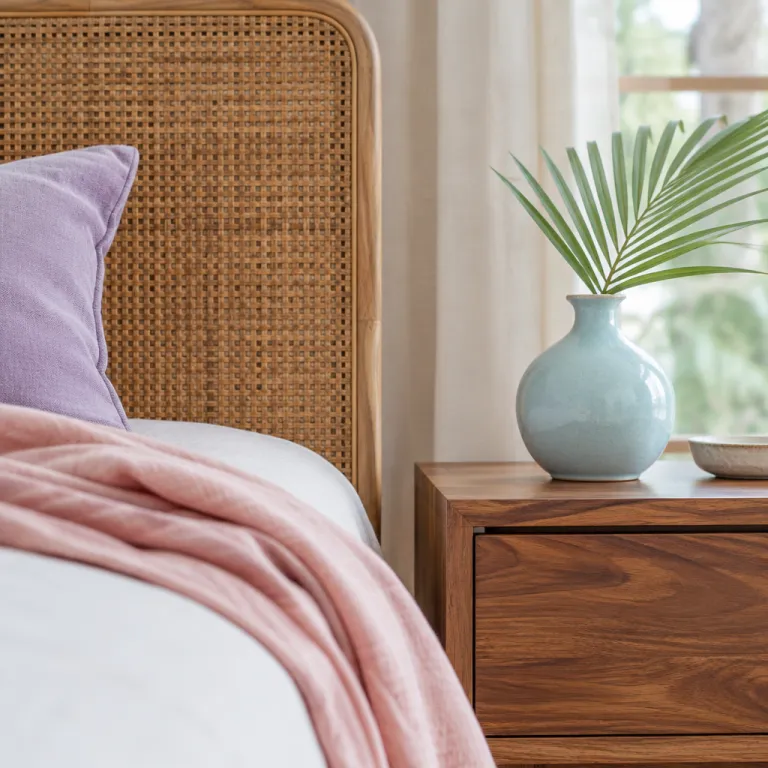
Why Filipino hotel interior design built on rattan feels different
Step into a truly modern Filipino hotel interior and the first thing you feel is softness rather than spectacle. The air moves through woven rattan furniture screens, narra wood consoles glow like honey, and the lobby smells faintly of pandan and polished timber. This is where Filipino hotel interior design rooted in rattan and other native materials replaces anonymous global luxury with something that feels unmistakably local and quietly confident.
Across the Philippines, interior designers and architects are treating rattan and narra as the backbone of new hotel projects rather than decorative afterthoughts. In a 2023 Department of Tourism briefing on sustainable tourism development, officials highlighted a growing push for indigenous materials in hospitality interiors, a shift that has turned the hotel lobby into a kind of living gallery of local craft. For couples choosing a hotel, that means the first image you see on a booking page is no longer just a pool, but a lobby where rattan, capiz and abaca tell you exactly which island you have landed on.
This quiet revolution is powered by Filipino artisans who still weave, bend and steam rattan by hand for both single chairs and full furniture collections. Their work has moved from provincial workshops into five star hotel interior schemes, where rattan headboards, pendant lights and daybeds now anchor entire room designs. When you explore properties on myphilippinesstay.com, you start to notice how often the most memorable hotel lobby or restaurant interior is the one that lets local materials lead the story, from the reception desk to the last balcony chair.
From provincial craft to five star lobby: the rise of rattan
Rattan once belonged to the family home or the seaside pension, not the marble floored hotel lobby. Today, the same climbing palm that framed your lola’s rocking chair is being reimagined as sculptural rattan furniture in some of the country’s most ambitious hotel interior projects. The shift is not nostalgic; it is strategic, and it is reshaping how luxury travelers read a space the moment they arrive.
Industry groups such as the Chamber of Furniture Industries of the Philippines reported in a 2022 market update that demand for rattan pieces and other native fibers had grown steadily over the previous five years, and you can feel that surge in every new modern Filipino resort opening from Bohol to Siargao. Interior designers are specifying rattan in both singular statement pieces and layered ensembles, pairing it with coral stone floors, linen upholstery and slim black steel to keep the overall design modern. In the best hotel lobby compositions, rattan screens filter tropical light, creating an interior that feels both open to the sea breeze and carefully edited for privacy.
Why are rattan and narra wood popular in Filipino hotel interiors? They reflect cultural heritage and promote sustainability. How do hotels source these materials? Through partnerships with local artisans and responsible suppliers. What are the benefits of using indigenous materials in design? They enhance authenticity, support local economies, and reduce environmental impact. In projects like the rattan rich lobby of a Makati boutique hotel by designer Budji Layug, or the woven ceiling panels at El Nido Resorts Miniloc Island refreshed in the late 2010s, these textures become the image that sells the stay long before the rate does for couples scrolling through Pinterest boards or a shared Facebook link from a friend’s anniversary trip.
Narra, capiz and coral stone: material stories behind the glow
If rattan is the relaxed gesture in Filipino hotel interior design, narra is the deep note that grounds the room. This dense hardwood, sometimes called Philippine mahogany, appears in console tables, bed frames and wall cladding that give weight to otherwise breezy tropical interiors. Because narra is now carefully regulated under Philippine forestry laws, the most responsible hotel projects work only with certified suppliers and reclaimed pieces, turning each slab into a quiet statement about longevity rather than excess.
Capiz shell, once confined to souvenir lamps, has become a serious player in hotel interior design, especially in restaurant interior concepts where light matters. Designers suspend discs of capiz in layered chandeliers above dining tables, so the restaurant glows like a lantern while still feeling modern Filipino rather than themed. Coral stone, used within strict coastal building codes, cools floors and pool decks, its pale surface bouncing light back into the lobby and restaurant without the glare of polished imported marble.

For travelers, understanding these material stories changes how you evaluate a hotel, whether you explore options on a booking engine or share impressions later via WhatsApp or Facebook. A property that invests in local narra joinery, rattan furniture and capiz lighting is not just chasing a tropical look; it is supporting Filipino artisans and signaling a long term commitment to place. When you compare hotels, look closely at every image of the lobby, the restaurant interior and the rooms, and ask whether the designs could belong anywhere or only in this particular corner of the archipelago.
Tropical brutalism and the new modern Filipino hotel interior
A new wave of properties is experimenting with what some Manila designers call tropical brutalism, and it is more sensual than the name suggests. Think exposed concrete frames, wide overhangs and raw ceilings softened by rattan furniture, abaca rugs and lush planting that blurs the line between interior and garden. In these hotels, contemporary Filipino hotel interior design principles built around rattan and timber are not about decoration but about how the building breathes in a humid climate.
Concrete gives structure and thermal mass, while rattan and timber add tactility where the body actually touches the space, from the curve of a chair to the weave of a headboard. Interior design teams often collaborate directly with Filipino artisans, sketching modern silhouettes and then letting weavers adjust patterns so the final designs respect both ergonomics and tradition. AI assisted tools are starting to help map airflow, light paths and furniture layouts, but the final decision about a hotel lobby bench or restaurant interior banquette still rests on how it feels under the hand.
For couples planning a romantic escape, this design language translates into quieter rooms, cooler corridors and lobbies that frame the tropical landscape instead of fighting it. When you read reviews or explore our elegant guide to the best resorts in El Nido for a luxurious island escape, pay attention to how guests describe the interior rather than only the beach. Phrases like modern Filipino, warm rattan details and generous use of local materials are strong signals that the hotel interior has been designed as an experience in itself, not just a backdrop for social media.
How to read photos, reviews and shares when booking your stay
Most couples will meet a hotel through a screen long before they step into the lobby. That means the way you read each image, caption and share matters as much as any on site impression. When you scroll through Pinterest boards, copy links into a shared trip document or tap a share Facebook button, train your eye to look beyond the infinity pool and into the furniture, lighting and materials.
Start with the hotel lobby photos and ask whether the interior feels rooted in Filipino architecture or could be a copy paste from any tropical resort worldwide. Look for rattan furniture in both singular and plural forms, not just one token chair but a considered family of designs that repeat from lobby to restaurant interior to guest rooms. Notice whether local materials like narra, capiz and abaca appear consistently, suggesting a coherent modern Filipino narrative rather than a few scattered props.
Reviews can also reveal how deeply Filipino hotel interior design ideas around rattan and other native fibers shape the guest experience, especially when travelers mention how cool the rooms feel, how quiet the corridors are or how the restaurant glows at night. Pay attention to comments about craftsmanship, local art and the way staff explain the story behind the interior, because that is where credibility and care show through. When you finally arrive, you will step into a space that already feels familiar, yet richer than any digital preview, because the textures, scents and sounds of a well considered hotel interior cannot be fully translated through a screen or a WhatsApp message.
FAQ
Why are rattan and narra wood so common in Filipino hotel interiors ?
Rattan and narra appear frequently in Filipino hotel interiors because they express local identity while supporting sustainable design practices. Rattan grows relatively quickly in the Philippines, making it a renewable choice for rattan furniture and screens in both lobbies and rooms. Narra, when legally and responsibly sourced, brings warmth and durability to hotel interior joinery, helping properties age gracefully rather than chase short term trends.
How can I tell if a hotel uses genuinely local materials and artisans ?
Look for specific mentions of Filipino artisans, named weaving communities or local design studios in the hotel description and reviews. Photos of the lobby, restaurant interior and guest rooms should show consistent use of rattan, capiz, abaca and local hardwoods, not just a few decorative pieces. When in doubt, email the hotel and ask about their interior design partners and sourcing policies; serious projects are usually proud to share those details.
Does using rattan and other indigenous materials affect room comfort ?
Yes, well designed rattan furniture and woven panels can improve comfort by allowing air to circulate and by softening acoustics in hard surfaced spaces. In tropical climates, breathable materials on chairs, headboards and balcony pieces help guests feel cooler without relying solely on air conditioning. Many modern Filipino hotels combine these traditional materials with contemporary engineering to create interiors that feel both calm and climate responsive.
Are hotels that use local materials more sustainable than others ?
Hotels that prioritize local materials often reduce transport emissions and support nearby economies, which contributes to more sustainable operations overall. However, true sustainability also depends on responsible sourcing, energy use and long term maintenance, not just the presence of rattan or narra in the lobby. When evaluating options, look for clear statements about environmental policies alongside the visible interior design choices.
What should couples prioritize when choosing a design led hotel in the Philippines ?
Couples should prioritize a hotel interior that reflects modern Filipino sensibilities while still feeling intimate and comfortable for a romantic stay. That usually means thoughtful use of rattan furniture, warm lighting, generous balconies and restaurant interiors that feel connected to the landscape rather than sealed off from it. A property that can explain the story behind its materials and designs will often deliver a richer, more memorable stay than one focused only on imported finishes.