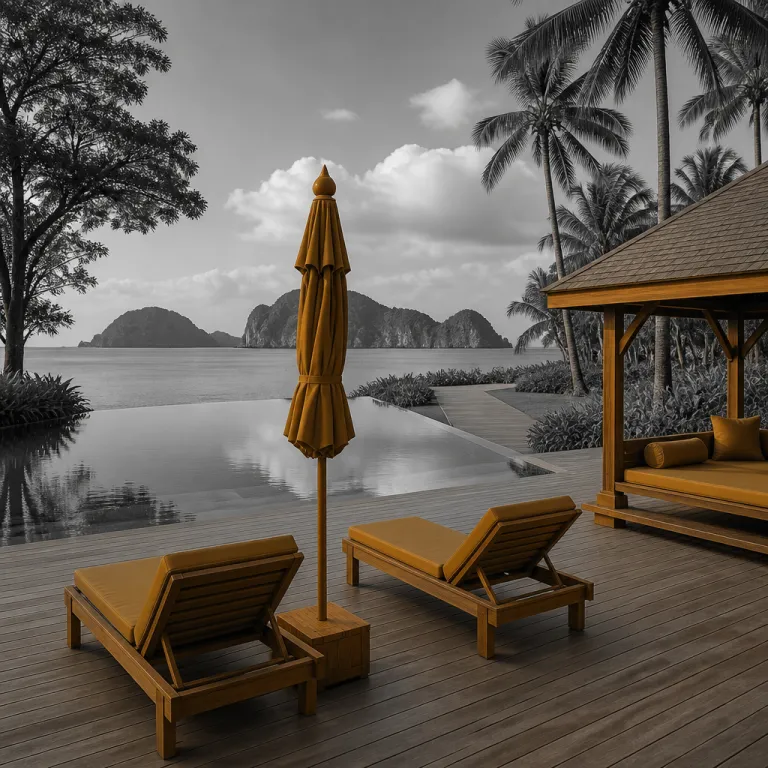
Luxury perspectives on the finest tourist spots in the Philippines
Luxury perspectives on the finest tourist spots in the Philippines
The most memorable tourist spots in the Philippines combine refined hotels with extraordinary landscapes. For high end travellers planning a trip, the challenge is aligning five star comfort with authentic access to each island, city, and national treasure. Understanding how luxury properties integrate with their surrounding places in the Philippines helps you choose the best addresses for your stay and avoid time lost in transit.
Across the archipelago of 7 641 islands, a figure confirmed by the National Mapping and Resource Information Authority (NAMRIA) in a 2017 island audit, premium hotels cluster around a few strategic regions that balance convenience and exclusivity. Manila and Cebu City anchor international travel routes, while destinations such as Coron, Bohol, Puerto Princesa, and Port Barton offer quieter beaches and intimate island hopping experiences. When you visit the Philippines with a focus on luxury, your choice of region and city will shape every tour, transfer, and sunset cocktail.
The Department of Tourism, local tour operators, and travel agencies work together to promote tourist spots in the Philippines that can sustain upscale tourism without losing cultural character. Their coordination helps ensure that national park access, private beach experiences, and city metro logistics remain smooth even during peak time for arrivals. This ecosystem allows luxury hotels to offer curated tours to the best places while still respecting local communities and fragile marine environments.
How luxury hotels frame your first stay in Manila
For many visitors, the first contact with the Philippines is Manila, and your hotel choice in the capital quietly sets the tone for the entire trip. High end properties in Metro Manila and the broader Manila metro area focus on seamless airport transfers, discreet security, and concierge teams who understand both business and leisure needs. When you stay in a luxury hotel in the Philippines Manila corridor, you gain immediate access to curated city tours, private shopping, and reservations at the best restaurants.
Within the city, different districts offer distinct atmospheres that matter for premium travellers. Quezon City appeals to guests who want a more residential feel, while central business areas in the city metro zone suit those combining meetings with short visits to cultural places. Many of the best hotels in Manila, such as long established five star towers in Makati and Bonifacio Global City, partner with local tour operators to design half day excursions that highlight national heritage sites, contemporary galleries, and emerging culinary hotspots.
Timing your arrival in Manila can significantly influence comfort and pricing. Official guidance from tourism authorities notes that “December to May offers dry weather”, which many travellers interpret as the best time to visit the Philippines for city and island combinations. If you are considering a stay during wetter months, consult resources such as this guide to booking the Philippines in July and August to align your luxury expectations with seasonal realities and potential flight changes.
Cebu, Bohol, and Central Visayas for elevated coastal stays
Central Visayas has become a reference region for travellers seeking both sophisticated hotels and easy access to iconic tourist spots in the Philippines. Cebu City functions as the main gateway, with international flights, premium malls, and a growing portfolio of luxury properties that understand the expectations of long haul guests. From here, you can plan a trip that combines urban comforts with some of the best beaches and island hopping routes in the country.
On Cebu island itself, high end resorts line select stretches of white sand, especially near Mactan and along quieter coves to the north. Many of these properties organise private tours to Kawasan Falls, arranging early departures and exclusive guides so you experience the turquoise pools before day crowds arrive. When you visit this part of the Philippines, look for hotels that include transport, meals, and safety briefings in their Kawasan Falls excursions, as river conditions can change with little time for unprepared travellers to react.
Bohol, another jewel of Central Visayas, offers a different rhythm that suits guests who prefer nature and culture over nightlife. Luxury hotels near Panglao beach areas often package day trips to the Chocolate Hills and nearby national park zones, pairing them with river cruises and heritage town visits. These curated experiences help you understand why many seasoned travellers rank Bohol among the best places to visit in the Philippines for a balanced, upscale coastal holiday.
Designing premium island hopping from Cebu and Bohol
From a luxury standpoint, island hopping is not just about the number of islands visited but the quality of each stop. Well managed resorts in Cebu and Bohol charter modern boats with shaded decks, attentive crews, and chef prepared lunches served on secluded beaches. This approach transforms a standard tour into a private style experience that respects both your comfort and the marine environment.
When comparing offers, examine how each hotel or partner operator structures their island hopping itineraries. Some focus on snorkelling rich reefs and sandbars, while others emphasise cultural stops in small places Philippines travellers rarely reach on mass market tours. For a more exclusive feel, choose properties that cap group sizes, schedule departures at off peak time slots, and include conservation briefings before guests enter sensitive marine areas.
Luxury travellers should also consider shoulder season opportunities in Central Visayas. While the dry months are often promoted as the best time to visit, sophisticated guests can benefit from quieter resorts and more attentive service outside peak periods. Resources such as this analysis of September in the Philippines as a smart luxury booking window help you align weather patterns, pricing, and availability for high end stays.
Palawan’s Coron, Coron Island, and Puerto Princesa for secluded luxury
Palawan consistently appears in rankings of the best tourist spots in the Philippines, and luxury travellers are often drawn first to Coron and Coron Island. Here, high end resorts either occupy private coves or sit on nearby islands, offering direct access to lagoons, reefs, and dramatic limestone cliffs. The most exclusive properties limit guest numbers, which preserves a sense of privacy even during busy travel periods.
Coron Island itself is protected, and visits are carefully regulated to balance tourism with environmental preservation. Upscale hotels in Coron town coordinate with licensed local tour operators to arrange premium boat tours that reach signature lakes and beaches at carefully chosen time slots. When you book through a trusted property, you gain access to better planned itineraries that avoid congestion and respect national guidelines for reef and lagoon protection.
Further south, Puerto Princesa offers a different gateway to Palawan’s natural wonders. Luxury hotels in this city often serve as staging points for excursions to the famous underground river, which forms part of a designated national park and a UNESCO World Heritage Site. Guests who value comfort appreciate returning from a day of exploration to refined dining, spa treatments, and quiet rooms that contrast with the raw beauty of the caves and surrounding forests.
Port Barton and refined simplicity on quieter shores
Port Barton appeals to travellers who want the Philippines at a slower pace, without sacrificing essential comforts. Accommodation here tends to be more understated than in Coron or El Nido, yet several premium guesthouses and small resorts now offer high quality bedding, attentive service, and well curated tours. For many guests, this balance between simplicity and comfort represents the best way to experience authentic coastal life.
Island hopping from Port Barton feels more intimate than in busier hubs, with fewer boats sharing the same beaches and snorkelling spots. Carefully selected operators organise day trips that include white sand coves, coral gardens, and lunches served under palm trees, all within manageable travel time from the village. When you choose a higher end property, staff usually pre screen partner boats for safety, environmental practices, and guest feedback, which adds a layer of reassurance.
For travellers comparing Palawan destinations, the choice between Coron, Coron Island, Puerto Princesa, and Port Barton often comes down to preferred rhythm. Coron offers dramatic scenery and structured tours, Puerto Princesa combines city comforts with national park access, while Port Barton prioritises quiet beaches and unhurried days. In every case, aligning your hotel selection with your desired pace will determine how you remember these places long after your trip ends.
Metro Manila and city metro stays as strategic luxury hubs
While many travellers focus on beaches and islands, the urban fabric of Metro Manila plays a crucial role in any luxury itinerary. High end hotels in the Manila metro area act as logistical anchors, connecting international flights with domestic routes to Cebu, Bohol, Palawan, and other tourist spots in the Philippines. Choosing the right property here can reduce transfer stress and create valuable downtime between more active segments of your trip.
Within Metro Manila, different districts cater to distinct traveller profiles. Quezon City offers a mix of government institutions, universities, and emerging dining scenes, making it attractive for guests who enjoy a more local city experience. Central business districts, by contrast, concentrate five star towers with extensive amenities, from rooftop pools overlooking the city to spas that help you reset after long haul travel.
Luxury hotels in Philippines Manila corridors increasingly integrate sustainability and cultural programming into their offerings. Many partner with local guides and museums to create short tours that highlight national history, contemporary art, and evolving food cultures in the city. For guests who only have limited time in Manila, these curated experiences provide a meaningful sense of place without requiring long transfers or complex logistics.
How city stays enhance wider travel across the islands
Strategic use of city metro stays can significantly improve the flow of a multi destination trip. By planning one or two nights in Manila or Cebu City at key points, you create buffers that absorb flight delays, weather disruptions, or last minute changes to island tours. This approach is particularly valuable when connecting to remote regions where daily transport options are limited.
Premium hotels in these cities often maintain dedicated travel desks that liaise with airlines, ferry companies, and local tour operators. Their teams monitor time sensitive updates, rebook connections when necessary, and adjust private transfers so guests experience minimal disruption. For high value trips that combine several islands and national park visits, this level of support can be the difference between a stressful journey and a smooth progression of experiences.
Urban luxury properties also serve as ideal bases for day trips to nearby places Philippines travellers might otherwise overlook. From Manila, for example, you can arrange excursions to heritage towns, volcanic landscapes, or coastal areas within a few hours’ drive, returning to the comfort of your city suite each evening. This combination of exploration and urban refinement appeals to travellers who want variety without constantly changing hotels.
Beachfront luxury, white sand escapes, and national park proximity
For many guests, the phrase tourist spots in the Philippines immediately evokes images of white sand beaches and turquoise water. Luxury hotels have responded by creating beachfront properties that blend architectural elegance with direct access to some of the country’s most beautiful shores. When evaluating these options, consider not only the quality of the beach but also proximity to marine reserves and national park areas that enhance the overall experience.
In destinations such as Bohol, Cebu, and Palawan, high end resorts often occupy prime stretches of beach that offer both privacy and swimmable water. These properties typically provide non motorised water sports, guided snorkelling, and small group tours to nearby islands, allowing guests to enjoy the sea without contributing to overcrowding. Many also implement reef safe policies, such as encouraging appropriate sunscreen and limiting anchoring on sensitive coral zones.
Some of the most memorable stays occur where luxury hotels sit near or within buffer zones of national parks. In these cases, guests can spend the morning exploring forests, caves, or rivers with certified guides, then return to refined dining and spa treatments by late afternoon. This contrast between wild landscapes and polished hospitality is one of the defining strengths of high end travel in the Philippines.
Curated sandbar and island experiences for discerning guests
Beyond classic beaches, sandbars and small offshore islands offer distinctive settings for premium day trips. Carefully managed island hopping excursions can include private lunches on uninhabited strips of white sand, timed to avoid other boats and preserve a sense of seclusion. When organised through a reputable hotel, these experiences usually include proper shade, comfortable seating, and attentive staff who manage both safety and discretion.
Travellers seeking particularly refined sandbar experiences should consider specialised destinations that focus on low density, high quality stays. One example is highlighted in this guide to refined beachfront stays on a private style sandbar, which illustrates how thoughtful planning can elevate a simple beach day into a signature memory. Such models show how the Philippines can offer both iconic tourist spots and quieter, more exclusive alternatives.
When comparing offers that include sandbars, islands, and remote beaches, pay close attention to environmental practices. Responsible operators limit group sizes, manage waste carefully, and coordinate with local communities to ensure tourism revenue supports long term conservation. Choosing these partners allows you to enjoy the best places to visit in the Philippines while contributing to the protection of the very landscapes that attracted you.
Planning your luxury trip: timing, logistics, and trusted partners
Effective planning is essential when your goal is to experience the finest tourist spots in the Philippines through a luxury lens. The country welcomes millions of visitors each year, and high demand during peak periods can quickly reduce availability at the best hotels and on premium tours. Booking early and working with trusted partners helps secure the room categories, guides, and time slots that matter most.
Weather patterns strongly influence when many travellers choose to visit the Philippines. Official guidance highlights a dry season that many consider the best time for combining city stays, beach days, and island hopping, while a wetter season offers lower prices but higher uncertainty. To refine your timing, monitor regional forecasts, consider your tolerance for rain, and align your trip with the specific activities you value most, such as diving, hiking, or cultural festivals.
Several actors play key roles in ensuring a smooth luxury experience across the islands. The Department of Tourism sets national standards and promotes destinations, local tour operators provide on the ground expertise, and travel agencies or digital booking platforms coordinate complex itineraries. By choosing hotels and partners who collaborate closely with these institutions, you increase the likelihood that every leg of your journey, from Manila to Cebu City to Coron Island, unfolds with the level of service you expect.
Safety, culture, and respectful luxury travel
Safety and cultural respect are central to any high end trip in the Philippines. Authorities emphasise that it is generally safe to travel in the country when visitors follow local advisories, use registered transport, and remain aware of their surroundings in both city and island settings. Luxury hotels contribute by maintaining robust security protocols, vetted driver networks, and clear communication channels with guests.
Respecting local customs enhances both your experience and that of the communities hosting you. Simple gestures, such as dressing modestly in rural places, learning basic greetings, and following guidance at religious or national heritage sites, signal appreciation for local culture. Many premium properties now include short cultural briefings at check in or before tours, helping guests navigate social norms with confidence.
Finally, thoughtful travellers recognise that their choices influence the long term sustainability of tourist spots in the Philippines. Selecting hotels and tour operators that invest in staff training, environmental protection, and community partnerships ensures that the benefits of travel extend beyond individual trips. This approach allows you to enjoy the best places to visit in the Philippines today while helping preserve their beauty and authenticity for future guests.
Key figures shaping luxury travel in the Philippines
- The Philippines counts 7 641 islands according to the National Mapping and Resource Information Authority (NAMRIA) island inventory released in 2017, which explains the strong emphasis on island hopping and coastal tourism logistics.
- Annual tourist arrivals reached around 8 000 000 visitors in 2019 as reported by the Department of Tourism, underscoring the need to book premium hotels and tours well in advance during peak periods.
- Tourism authorities promote travel year round, but they distinguish a peak dry season from a wetter off peak period, which directly affects pricing, availability, and the perceived best time to visit.
- Key regions such as Central Visayas and Palawan attract a significant share of international guests, concentrating investment in high end resorts near beaches, national parks, and major city gateways.
Frequently asked questions about luxury stays near tourist spots in the Philippines
What is the best time to plan a luxury trip to the Philippines ?
Most luxury travellers target the dry months, which tourism authorities describe as offering more predictable weather for flights, beach days, and island hopping. This period is often considered the best time to visit the Philippines, especially if you value clear skies and calm seas. However, shoulder seasons can provide quieter resorts and better rates if you are flexible and monitor forecasts.
Do I need a visa to visit the Philippines for a high end holiday ?
Visa requirements depend entirely on your nationality rather than your travel style or hotel category. Many visitors receive visa free entry for limited stays, while others must apply in advance through a Philippine embassy or consulate. Always verify current rules with official diplomatic channels before confirming non refundable luxury bookings.
Is it safe to stay in luxury hotels across the islands ?
Stays in established luxury hotels in Manila, Cebu City, Bohol, Palawan, and other major destinations are generally considered safe when you follow local advisories. These properties typically maintain strong security measures, vetted transport partners, and 24 hour front desk support. As with any international trip, remain aware of your surroundings and use hotel recommended services for transfers and tours.
How far in advance should I book premium hotels near popular tourist spots ?
For peak travel periods, booking high end hotels three to six months in advance is advisable, especially in compact destinations such as Coron, Bohol, and Port Barton. Limited room inventories at the best properties mean last minute options may not match your preferred standards or locations. Early reservations also help secure prime time slots for national park visits, private tours, and island hopping excursions.
Can I combine city luxury with remote island experiences in one itinerary ?
Combining Metro Manila or Cebu City stays with remote island or beach destinations is not only possible but common among luxury travellers. Many itineraries begin with one or two nights in a city metro hotel before continuing to places such as Coron Island, Bohol, or Puerto Princesa. Working with experienced travel agencies or hotel concierges ensures smooth connections between flights, ferries, and private transfers.