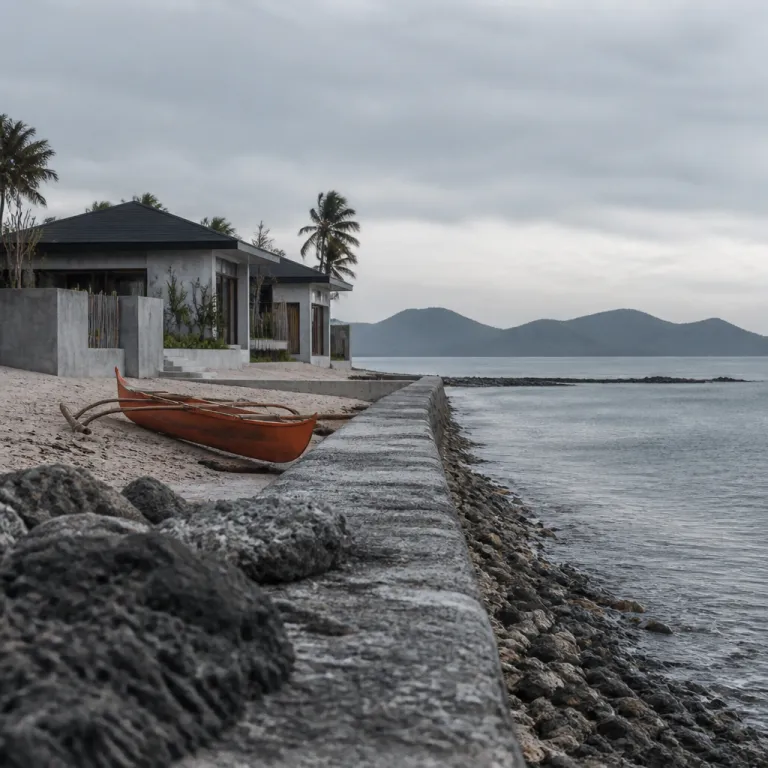
Jomalig island as a luxury frontier in Quezon province
Jomalig island sits on the Pacific edge of Quezon province, a remote place where golden sand and white coves feel almost private. With an island area of about 54.48 square kilometres and a coastline of roughly 36.78 kilometres, according to mapping data from PhilAtlas and local government sources, this quiet destination offers more shoreline per visitor than many famous Philippine islands. For travellers used to crowded beach resorts, the low population density and long arcs of golden shoreline create a rare sense of space.
Reaching Jomalig requires intention, and that is part of its luxury appeal for discerning travel planners. Guests usually take an overnight or early morning bus from Manila to the coastal town of Real in Quezon province, then transfer by tricycle to Ungos Port for the onward boat ride. The journey by boat from Real to the island typically lasts four to six hours on public bancas listed on local port timetables, so any serious travel planner should flag this duration clearly and suggest curated stopovers in Quezon province or even in nearby Camarines Norte for guests who prefer to break the trip.
Because the island’s population is small and facilities remain limited, the most refined experience comes from planning every day in detail before arrival. Travel specialists can match guests with vetted beach resort partners in each barangay, such as small family run stays near Salibungot or homestays close to Kanaway, ensuring that every resort meets strict standards for comfort, safety, and service despite the remote setting. This is where expertise matters; a team that understands local boat schedules, low tide patterns, and port logistics can turn a challenging transfer into a seamless part of the journey.
From bus to boat: crafting a seamless journey to Jomalig
Luxury on Jomalig island begins long before guests step onto the sand, because the combined bus and boat logistics can either elevate or exhaust the entire trip. Most travellers board an early morning bus from Cubao or Alabang to Real, Quezon, then move straight to Ungos Port where wooden passenger boats depart for the island once enough people and cargo have assembled. A well designed trip planner should integrate real time travel updates, port cut off times, and curated transfer options so that the journey feels choreographed rather than improvised.
For high value guests, the long boat ride from Real to Jomalig is an opportunity to add comfort rather than a hurdle to endure. Some travellers charter a private boat for their group through local operators at Ungos Port, timing departures around low tide windows and weather forecasts to ensure a smoother crossing and a more flexible day of arrival. A sophisticated service can bundle these arrangements with pre arranged port assistance, luggage handling, and even light refreshments on board, similar in spirit to how new coastal developments highlighted in this analysis of emerging luxury hotel hubs in the Philippines are redefining arrival experiences.
Because the island’s population is modest and the census population data from Philippine Statistics and the Philippine Statistics Authority show gradual growth, transport capacity can fluctuate with seasonal demand. A reliable planning tool should therefore track boat and bus patterns over time, using real travel data rather than guesswork to advise on the best day and time to travel. When guests see that every transfer, from Ungos Port to their chosen beach resort, has been considered in detail, it builds reassurance and trust at each step of the journey.
Golden sands and white coves: choosing the right beachfront place
Once on Jomalig island, the main decision for luxury oriented travellers is which stretch of golden sand or white beach suits their style. Salibungot Beach on the western side is famous for its golden sands that glow warmly at sunset, while Kanaway Beach and Lingayen Cove offer quieter white sand corners with a more secluded feel. A refined trip planning resource should present these options clearly, mapping each beach resort to its specific cove, barangay, and shoreline character.
Salibungot Beach sits near Sitio Salibungot, where the beach’s golden tones are especially striking at low tide when the sandbar extends further into the sea. Here, a beach resort can offer sunrise walks, guided swims, and private dinners on the golden sand, turning a simple day by the sea into a curated experience. Over on Kanaway Beach and around Lingayen Cove, the sand tends toward a softer white hue, and the smaller population of visitors makes these places ideal for couples or families seeking quiet luxury.
Because the island remains relatively undeveloped, each resort operates closely with the local barangay to manage waste, water, and beach access in a sustainable way. A high quality guide should highlight which properties invest in eco friendly systems, which ones support local employment, and how each place protects the coastline. Travellers who appreciate refined beachfront escapes, such as those described in this feature on elevated beach experiences in Northern Palawan, will find similar values applied thoughtfully on Jomalig.
Legends, locals, and the quiet luxury of space
Jomalig island is not only about the beach and the resort; it is also a place where legend and local life shape the atmosphere. Long before modern travel, the story tells of a young man who tried to win a princess by running around the island in one day and spearing three fish in each pond, a legendary challenge that speaks to endurance and devotion. The tale of the datu’s daughter and her suitor still circulates among local families, adding a layer of romance to walks along the golden sands.
For guests booking premium stays, engaging with the local population respectfully is part of the experience, because the island’s charm depends on its people as much as its beaches. Many resort staff come from the surrounding barangays, and a thoughtful trip planner can highlight experiences that connect visitors with local fishing trips, guided walks to Sitio Salibungot, or storytelling evenings about the young man and the princess. When travellers understand that the island’s census population remains relatively small, they often appreciate the quiet luxury of space and the importance of supporting community led tourism.
Luxury here is measured less in marble lobbies and more in the feeling that each day reveals new glimpses of real island life. Guests might watch a boat glide past Salibungot Beach at low tide, see children playing on the white sand, or share a meal prepared with freshly caught fish. A well designed planning platform should frame these moments as part of the value proposition, helping travellers choose a place where golden sand, local culture, and privacy align.
Designing premium stays on a remote island
Because Jomalig island has limited infrastructure, luxury and premium hotel booking websites must think differently about what a high end stay looks like here. Many properties are small scale beach resort operations that rely on solar power, rainwater collection, and careful coordination with the local barangay for supplies and waste management. A sophisticated platform can turn these constraints into selling points by explaining how each resort delivers comfort while respecting the island’s fragile environment.
For example, a resort on Salibungot Beach might offer spacious rooms that open window style onto the sea breeze instead of relying heavily on air conditioning, using the natural cooling effect of the ocean and the golden sands. Another property near Kanaway Beach could focus on private cabanas set directly on the white sand, with curated boat excursions to Lingayen Cove and other quiet corners of the island. In each case, the booking website should describe clearly how guests move between the port, their room, and the beach, including any boat ride or vehicle transfer required.
Families planning a longer stay may appreciate platforms that bundle accommodation with activities, similar to the way this guide to Philippine island playgrounds and family friendly resorts highlights properties where the kids’ club is worth the booking alone. On Jomalig, that might mean arranging sandcastle workshops on the golden sand, guided swims at low tide, or safe boat trips around the island’s coves. When these options are presented clearly, travellers can compare places not just by price but by the quality of each day they will spend on the beach.
Data, safety, and trust on a far flung beach
Trust is essential when guests commit to a remote destination like Jomalig island, where a long boat ride and limited facilities leave little room for error. A serious booking website should use data from Philippine Statistics and the Philippine Statistics Authority to understand population trends, transport patterns, and the impact of increasing tourism on the island. By grounding recommendations in real numbers instead of guesswork, the platform reassures travellers that each resort and each place has been evaluated carefully.
Safety information must be explicit, especially around the port, the bus journey, and the boat schedules from Real and Ungos Port. Guests should know how long the boat ride usually takes, what happens if low tide delays departure, and which resorts have clear protocols for storms or medical issues, including access to clinics in the main barangay or evacuation routes back to Real. When a platform explains that the island’s coastline stretches for about 36.78 kilometres and that many beaches, from Salibungot Beach to Kanaway Beach and Lingayen Cove, are far from the main barangay centres, travellers can plan their day with realistic expectations.
Clear communication also extends to cultural context, and here the island’s legend offers a human touch that data alone cannot provide. As one local telling of the story puts it, “A suitor attempted a challenge to marry the princess.” This simple line captures the spirit of determination that still defines travel to Jomalig, where reaching the golden sand requires effort but rewards guests with rare quiet and space.
Key figures for planning a refined stay on Jomalig island
- The island area of Jomalig is about 54.48 square kilometres, which means a relatively low population density compared with more famous Philippine islands, allowing beach resort developments to remain spaced out along the coast (source: PhilAtlas and municipal profiles, which compile official geographic data).
- The coastline length of roughly 36.78 kilometres provides multiple distinct beaches, from Salibungot Beach with its golden sands to Kanaway Beach and Lingayen Cove with whiter sand, giving travellers several options within one island (source: PhilAtlas and local mapping data used by the municipal government).
- The typical boat ride from Real in Quezon province to Jomalig takes around four to six hours, so travellers should plan their bus and port connections carefully to avoid overnight delays (information from local transport guidance, Ungos Port schedules, and recent traveller reports).
- Local authorities and national agencies such as Philippine Statistics and the Philippine Statistics Authority track census population changes on the island, helping planners understand how increasing tourism interacts with the existing community.
FAQ about luxury and premium stays on Jomalig island
How do I get to Jomalig island for a premium stay ?
Most travellers take a bus from Manila to Real in Quezon province, then transfer to Ungos Port for the boat to Jomalig island. The boat ride usually lasts four to six hours, so a luxury booking website should help you coordinate bus schedules, port arrival times, and resort transfers. Private boat options may be available for groups who want more comfort and flexibility.
What is Jomalig island best known for among beach travellers ?
Jomalig island is known for its golden sand beaches, especially Salibungot Beach with its golden sands that glow at sunset. The island also offers quieter white sand stretches such as Kanaway Beach and Lingayen Cove, where the population of visitors remains low even in peak months. For luxury travellers, the appeal lies in this combination of space, colour, and relative seclusion.
Are there luxury level accommodations on Jomalig island ?
Facilities on the island are still basic compared with major resort hubs, but some beach resort properties offer elevated comfort, attentive service, and carefully designed beachfront rooms. A premium booking website can help you identify which resorts provide private transfers, curated activities, and higher service standards despite the remote setting. Because options are limited, booking early is essential, especially for peak travel dates.
Is Jomalig island suitable for families seeking a quiet beach holiday ?
Families who value space, nature, and simple comforts often find Jomalig island very appealing. The long golden sand and white beaches, combined with a small resident population, create a calm environment for children to play and explore. Parents should, however, plan carefully for the bus and boat segments and choose a resort that offers safe swimming areas and reliable meals.
What should I pack for a stay on Jomalig island ?
Because shops and facilities are limited, you should bring essentials such as sun protection, personal medicines, and enough cash for your planned activities. Lightweight clothing, reef safe sunscreen, and footwear suitable for both sand and boat landings will make each day more comfortable. A good booking website will usually provide a detailed packing checklist tailored to your chosen resort and length of stay.