Why luxury liveaboards are the ultimate Philippine “reef resorts”
A luxury liveaboard in the Philippines is essentially a moving resort that sleeps over the reef rather than behind a lobby. On these vessels, divers trade the usual transfer from a city hotel or coastal resort for cabins with hotel style bedding, chef prepared meals and a dedicated scuba diving équipe that handles every tank, weight and entry with quiet precision. For solo travelers used to flying in from the United States or Indonesia for serious diving, this format turns long journeys into uninterrupted time on the sea with the best diving right under the hull.
Unlike day boats that rush back to puerto or cebu city before sunset, luxury liveaboards in the Philippines stay anchored near remote reef systems so divers can reach legendary dive sites at the best time of day. The rhythm is unhurried yet focused ; you wake, dive, eat, rest, then dive again, with the crew adjusting schedules around currents, sharks activity and visibility rather than around marina opening hours. For guests who usually book a high end resort on land, the surprise is how quickly a liveaboard feels like a private floating lodge, with fewer distractions and more marine life per hour than almost any coastal stay.
On board, cabins are compact but thoughtfully designed, often with en suite bathrooms, strong air conditioning and storage for cameras and scuba diving gear so divers can move easily between dives. Public spaces feel closer to a yacht than to a basic diving liveaboard, with shaded decks, cushioned loungers and sometimes even small spa corners that help tired muscles recover between reef diving sessions. For travelers comparing luxury liveaboard Philippines diving with a premium resort stay, the key difference is simple yet profound ; the hotel follows the reef, not the other way around.
From Tubbataha to the Visayas: where a liveaboard makes sense
Some parts of the Philippines are built for land based diving, while others only reveal their character from a liveaboard. Tubbataha Reefs Natural Park in the Sulu Sea is the clearest example, because there is no resort or puerto princesa guesthouse close enough to reach these walls and atolls by day boat. Every dive at Tubbataha reef starts from a liveaboard, and the best operators position their vessels overnight so divers can enter the water at first light when sharks patrol the drop offs and marine life is at its most active.
The wider tubbataha visayas circuit links this UNESCO listed park with central Visayas routes that include malapascua, cebu city gateways and the channels around Bohol and Negros, giving divers a mix of pelagic action and reef diving in one itinerary. Around Malapascua, luxury liveaboards Philippines wide often schedule pre dawn dives at Monad Shoal, where thresher sharks rise from the deep to visit cleaning stations, a spectacle that is hard to reach consistently from a shore based resort. In the central Visayas, liveaboards can also time visits to whale sharks aggregation areas and current swept dive sites so guests experience the best diving conditions without long surface commutes.
On the northern side of the archipelago, routes that include puerto galera and nearby marine sanctuaries work differently, because here high quality resorts already sit close to excellent reef systems. For some divers, a puerto galera resort with strong house reef access and fast day boats will be enough, especially if they want nightlife or spa facilities after each dive. For others who want to link multiple regions without repacking bags, a luxury liveaboard that connects Puerto Galera, the Visayas and even onward flights to Indonesia can feel like the most efficient and indulgent way to experience diving Philippines wide in a single trip.
Life on board: a day in the water, not in transit
A typical day on a luxury liveaboard in the Philippines starts before sunrise with coffee on deck and a briefing as the sea shifts from indigo to silver. The dive équipe outlines the plan for the first dive, explaining currents, expected marine life and safety procedures, while the captain holds position over the reef so divers can step straight from platform to water. This early immersion often brings encounters with sharks, schooling jacks and turtles before the sun climbs high and the reef becomes busier with both fish and fellow divers.
After breakfast, the second dive usually targets a different section of the reef, perhaps a wall at Tubbataha, a seamount in the Visayas or a macro rich slope near puerto galera, depending on the itinerary. Between dives, guests stretch out on sun decks, review photos of marine life or nap in cabins, while the chef prepares meals that feel closer to a coastal resort restaurant than to a boat galley. Many luxury liveaboards also offer short briefings on marine conservation, explaining how liveaboard diving can support protected areas when operators respect mooring rules and limit contact with fragile coral.
The third and sometimes fourth dive of the day might include a gentle reef diving drift or a night dive where hunting sharks, crustaceans and bioluminescence transform familiar dive sites into something otherworldly. Solo travelers often find that this shared schedule creates an easy social rhythm, because everyone on board is there to dive and talk about diving Philippines style rather than to party. For guests used to anonymous city hotels in puerto or cebu city, the intimacy of a small group liveaboard, where crew remember your preferred tank setup and coffee order, can feel like a very special form of hospitality.
How to choose a luxury liveaboard with safety and ethics in mind
Selecting the right luxury liveaboard in the Philippines matters as much as choosing the right resort, especially when you will be several hours from puerto princesa or any major port. Start by examining the safety record, including how often the vessel dry docks, the training level of the dive guides and the ratio of guides to divers on each dive. Reputable operators are transparent about emergency oxygen supplies, radio communication and evacuation plans, which should be clearly explained during the first briefing before anyone enters the sea.
For itineraries that include Tubbataha reef or the wider tubbataha visayas region, ask how the crew handles moorings, waste management and interactions with marine life such as whale sharks and thresher sharks. Responsible liveaboards Philippines wide will avoid feeding wildlife, limit group sizes on sensitive dive sites and coordinate with park authorities to reduce pressure on popular walls and cleaning stations. When comparing options like the Philippines Aggressor and other high end vessels, look beyond cabin photos to understand how each company trains its équipe in marine conservation and guest safety.
Ethical luxury also extends to what you eat and how the crew is treated, which is where resources like the hospitality focused guide on Philippine hotel dining and sourcing can help you ask sharper questions. Some liveaboards now highlight local ingredients from puerto princesa or cebu city markets, reduce single use plastics and support reef restoration projects in partnership with marine biologists. When a vessel treats the ocean as its long term home rather than as a backdrop, divers benefit from healthier reefs, more consistent best diving conditions and a crew that takes pride in every aspect of the journey.
Planning your trip: timing, packing and pairing with land stays
Timing is everything for luxury liveaboard Philippines diving, because seasons, currents and park regulations shape when and where you can dive. Tubbataha has a defined window when seas are calm enough for liveaboard diving, so cabins on the best vessels often sell out many months in advance. If you are flying from the United States or Europe, build in at least one night in puerto princesa or another gateway city before boarding, so any flight delays do not cost you the entire trip.
For Visayas routes that include malapascua, cebu city and nearby islands, the best time often depends on whether you prioritize thresher sharks, whale sharks or calm conditions for reef diving and macro photography. Many divers pair a week on a liveaboard with several nights at a coastal resort in puerto galera or Bohol, using land time to rest, enjoy spa treatments and explore local food scenes after the intensity of four dives a day. Guides like this overview of Philippine resorts for divers and adventure travelers can help you choose properties that complement, rather than duplicate, the liveaboard experience.
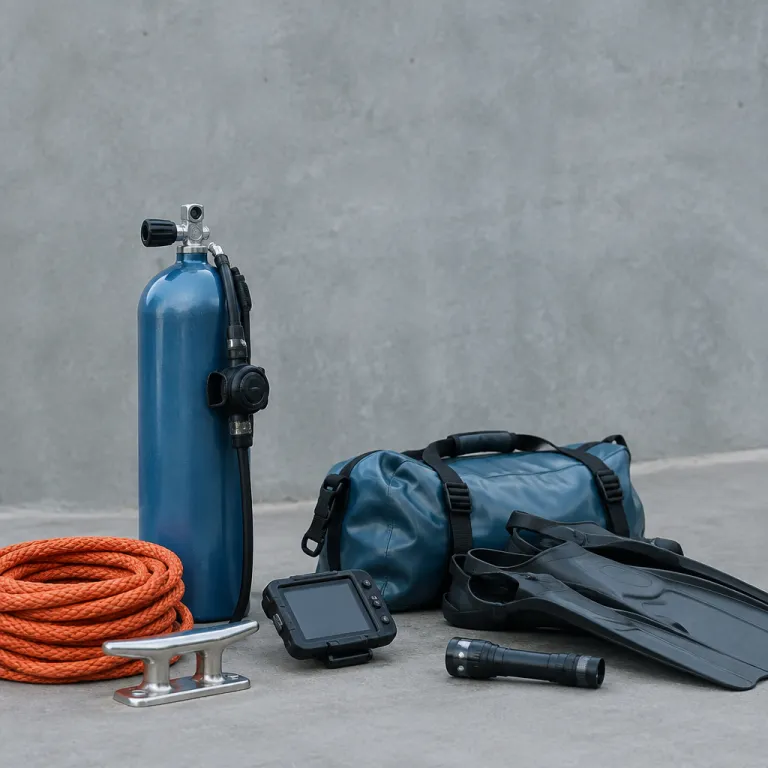
Packing for a diving liveaboard is different from packing for a city hotel, because storage is compact and the sea air is constant. Bring your own mask, computer and any special fit gear, but consider renting bulkier items like tanks and weights on board to save luggage weight on flights through puerto or cebu city. A small dry bag, reef safe sunscreen, layered clothing and a backup light will help you move comfortably between deck, cabin and dive deck, while a hard case for cameras protects your images of marine life long after you leave the Philippines.
Who a Philippine luxury liveaboard really suits
Luxury liveaboards in the Philippines are built for divers who want their time and budget focused on the water rather than on lobbies and lounges. If your idea of a perfect trip is four dives a day at remote dive sites, long conversations about marine life and early nights under a sky full of stars, this format will feel like a natural extension of your priorities. Solo travelers often find that the shared schedule and small group setting remove the social friction of large resorts, because everyone on board already shares a clear purpose.
These vessels are less ideal for non divers or guests who mainly want a spa, shopping or nightlife scene, because the emphasis is firmly on diving Philippines style from dawn to dusk. Families with young children or travelers prone to seasickness may be happier in a stable resort in puerto galera, Cebu or Palawan, using day boats to sample the best diving without committing to nights at sea. For committed divers, though, the ability to wake up over Tubbataha reef, glide alongside sharks at sunrise and then fall asleep to the sound of the hull rocking gently in the Sulu Sea is hard to match on land.
When you compare a week on a luxury liveaboard with a week in a high end resort, remember that the liveaboard price usually includes guided scuba diving, meals and transfers between multiple regions, which can help overall value. The hotel may have a grander lobby, but the liveaboard has the more special address ; a mooring line tied directly above some of the best reefs in the Philippines. For divers who measure luxury in encounters, not in marble, sleeping over the reef is often the best time they will ever spend in the archipelago.
FAQ
Is a luxury liveaboard in the Philippines suitable for beginner divers ?
Some luxury liveaboards in the Philippines accept confident beginners, but many itineraries, especially those including Tubbataha reef or strong current dive sites in the Visayas, are better suited to intermediate or advanced divers. If you have fewer than 30 to 40 logged dives, consider building experience at a resort in puerto galera or another training focused destination before booking a remote liveaboard. Always check minimum certification levels, recent experience requirements and whether the operator offers guided check dives at the start of the trip.
How far in advance should I book a Tubbataha liveaboard ?
Tubbataha has a short, clearly defined season and a limited number of licensed liveaboards, so cabins on the best vessels often sell out many months ahead. If you want a specific cabin type or a particular operator, aim to book as soon as schedules open, especially if you are coordinating flights from the United States or Europe. More flexible travelers may find last minute spots, but relying on cancellations is risky for such a remote and special destination.
What is the difference between a budget dive boat and a luxury liveaboard ?
A budget dive boat in the Philippines usually operates as a day trip platform, returning to shore after two or three dives and offering simple snacks, basic gear storage and limited shade. A luxury liveaboard, by contrast, provides hotel style cabins, chef prepared meals, dedicated camera rinse areas, higher guide to diver ratios and the ability to sleep directly over remote reefs like Tubbataha. This combination of comfort, access and service is what makes luxury liveaboard Philippines diving feel closer to a floating resort than to a simple transport boat.
Can I combine a liveaboard with a land based resort stay in one trip ?
Combining a liveaboard with a resort stay is a popular way to balance intense diving with relaxation and cultural experiences on land. Many travelers fly into cebu city or puerto princesa, spend a night in a hotel to rest and adjust, then board their liveaboard before returning to a coastal resort in puerto galera, Bohol or Palawan. This approach lets you enjoy both the efficiency of liveaboard diving and the broader amenities of a high end resort, from spas to local food tours.
What should I pack for a luxury liveaboard in the Philippines ?
Packing light but smart is essential, because cabin storage on liveaboards is more compact than in most hotels. Bring personal dive gear that affects fit and comfort, such as mask, fins, computer and wetsuit, plus a small dry bag, reef safe sunscreen, a hat and layered clothing for breezy evenings on deck. Many guests also carry a backup torch, spare mask strap and a hard case for cameras, while leaving bulky items like tanks and weights to the liveaboard’s own equipment stock.